

Unlocking Efficiency: The Ultimate Guide to Hydraulic Power Packs for Modern Applications
In today's industrial landscape, the demand for efficiency and productivity has never been greater, driving innovations in numerous sectors.
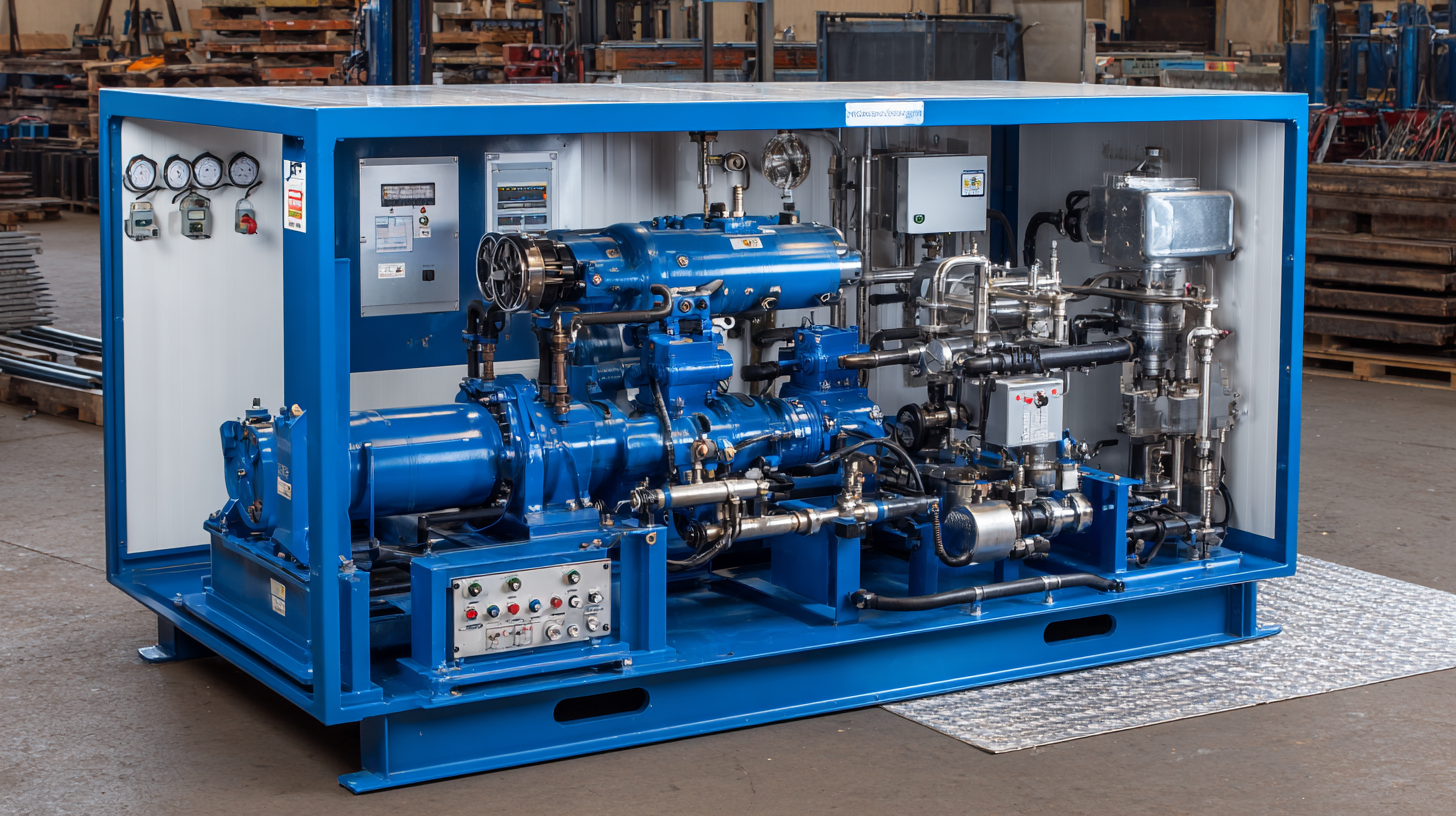 Hydraulic power packs have emerged as pivotal components in various applications, from construction to manufacturing. According to a report by MarketsandMarkets, the global hydraulic equipment market is projected to reach USD 51.58 billion by 2025, with hydraulic power packs playing a significant role in this growth. These versatile systems are designed to convert mechanical energy into hydraulic energy, providing superior performance and reliability. Moreover, their compact design and adaptability make hydraulic power packs ideal for modern applications where space and efficiency are critical. As industries continue to evolve, understanding the functionalities and specifications of hydraulic power packs will be essential for businesses aiming to enhance operational efficiency and maintain a competitive edge.
Understanding Hydraulic Power Packs: Key Components and Functionality
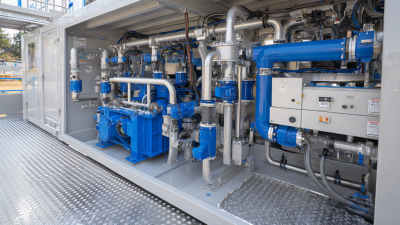
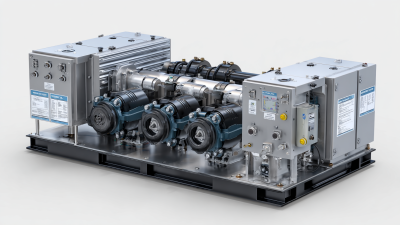
Hydraulic power packs are essential components in modern machinery, driving various applications with efficiency and power. At the core of a hydraulic power pack are key components such as the hydraulic pump, reservoir, valves, and actuator. The hydraulic pump converts mechanical energy into hydraulic energy, allowing fluid to flow under pressure. This pressurized fluid is then stored in the reservoir, ensuring a ready supply for immediate use.
Valves play a crucial role in controlling the direction and flow of the hydraulic fluid, ensuring that the system operates smoothly and safely. These valves can be manually operated or controlled electronically, offering flexibility in operation. The actuator, which can be a cylinder or motor, is responsible for converting the hydraulic energy back into mechanical energy, enabling the movement and control of machinery. Understanding these components and their functionality is vital for optimizing the performance and reliability of hydraulic systems in various applications, from construction equipment to industrial machinery.
Unlocking Efficiency: The Ultimate Guide to Hydraulic Power Packs for Modern Applications
| Component | Description | Functionality | Common Applications |
|---|---|---|---|
| Hydraulic Pump | Device converting mechanical energy to hydraulic energy. | Creates flow and pressure in the hydraulic system. | Excavators, forklifts |
| Reservoir | Storage tank for hydraulic fluid. | Holds fluid and allows for thermal expansion. | Hydraulic systems in machinery |
| Actuator | Device converting hydraulic energy to mechanical work. | Moves or controls mechanisms and systems. | Construction equipment, robotic arms |
| Hydraulic Fluid | Fluid used to transmit power in a hydraulic system. | Transmits power and helps in cooling and lubrication. | Industrial machinery, automotive systems |
| Filter | Removes contaminants from hydraulic fluid. | Ensures clean fluid for optimal system performance. | Hydraulic systems in various machinery |
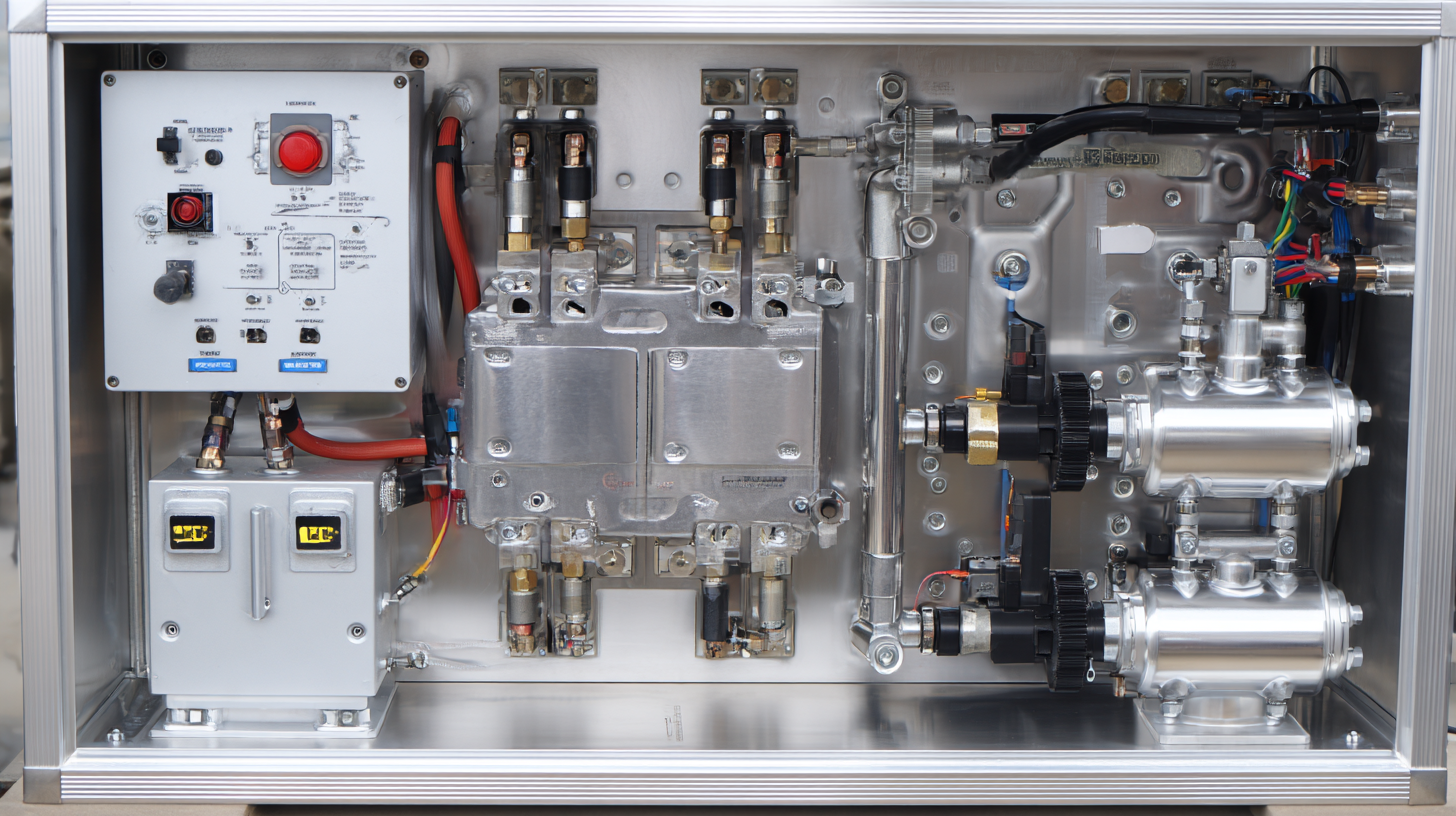 Hydraulic power packs have revolutionized modern industrial applications, offering unmatched efficiency and versatility. These compact systems use hydraulic fluid to transmit power, enabling machines and tools to perform complex tasks with ease. One key advantage of hydraulic power packs is their ability to generate high force output while maintaining a relatively small physical footprint. This characteristic makes them ideal for industries ranging from construction to manufacturing, where space and power efficiency are critical.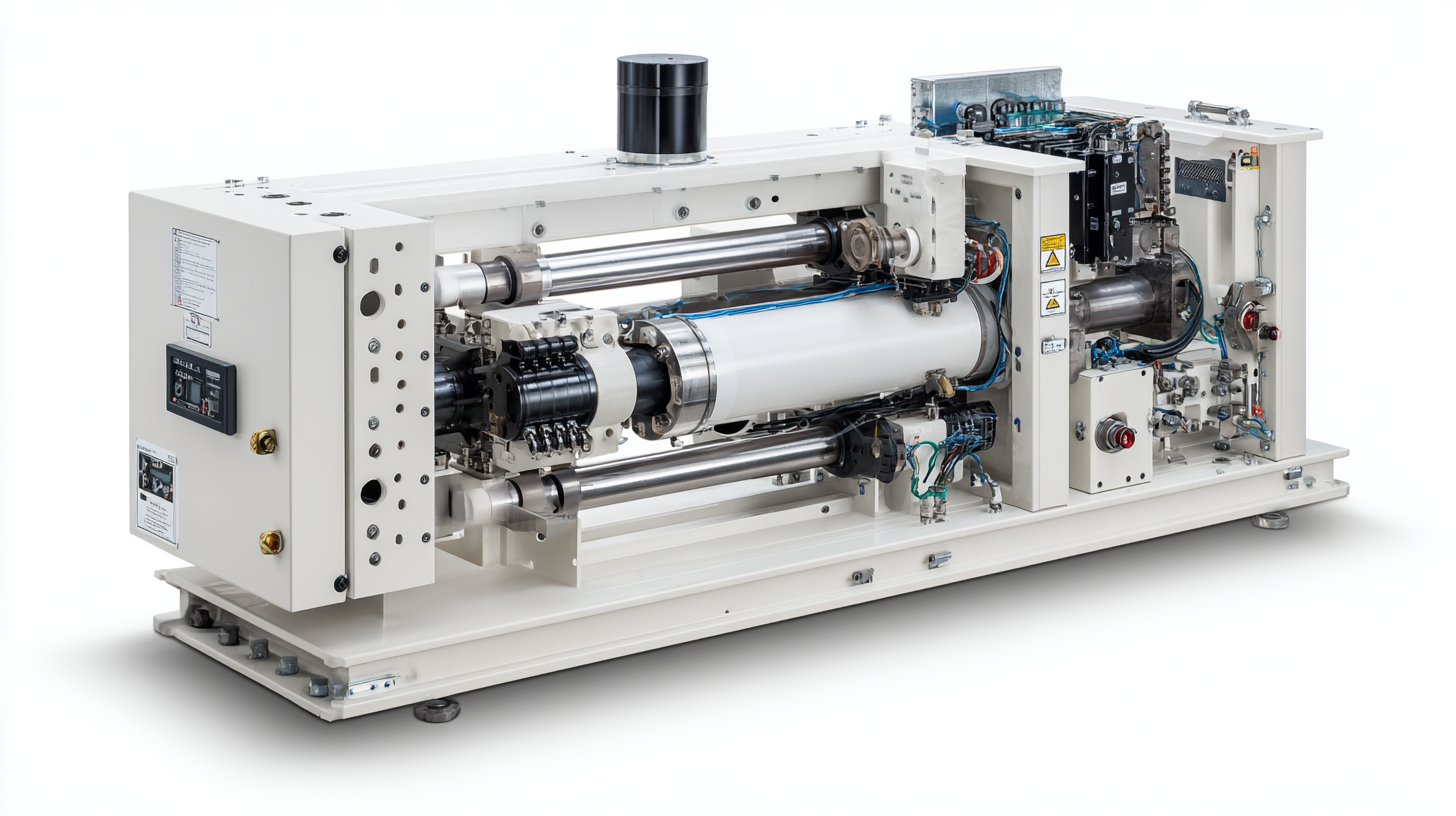
Related Posts
-
Unlocking Efficiency with Hydraulic Power Packs Understanding Their Impact on Industrial Applications
-
How to Optimize Your Operations with Innovative Hydraulic Solutions
-
Understanding the Essential Role of Hydraulic Power Packs in Modern Machinery
-

How to Optimize the Performance of a Hydraulic Gear Pump
-

Essential Pneumatic Hydraulic Maintenance Checklist for Optimal Performance
-

Pneumatic Hydraulics Versus Traditional Hydraulics A Comprehensive Comparison of Efficiency and Performance
Choose a global leader for your hydraulics solutions
How can we help you?
Call to 0034 943884600 Contact us