What is Electric Resistance Welded and Its Applications?
Electric Resistance Welded (ERW) technology is a crucial technique in modern manufacturing. This method uses heat generated by electric resistance to fuse metal pieces together. Experts like Dr. Sarah Johnson, a leading authority in welding technology, emphasize its importance: "Electric Resistance Welded processes are essential for enhancing production efficiency.”
ERW plays a significant role across various industries. Its applications range from automotive to construction, providing strong and reliable joints. However, the method also has limitations. Not every material is suited for ERW, and precision is key. High-quality control is necessary to avoid defects.
The rise of technology brings opportunities and challenges. As industries evolve, so does the need for innovative welding solutions. By focusing on Electric Resistance Welded techniques, manufacturers can improve their design flexibility and operational reliability. Yet, it is essential to continuously evaluate the effectiveness and adaptability of these methods in a rapidly changing market.
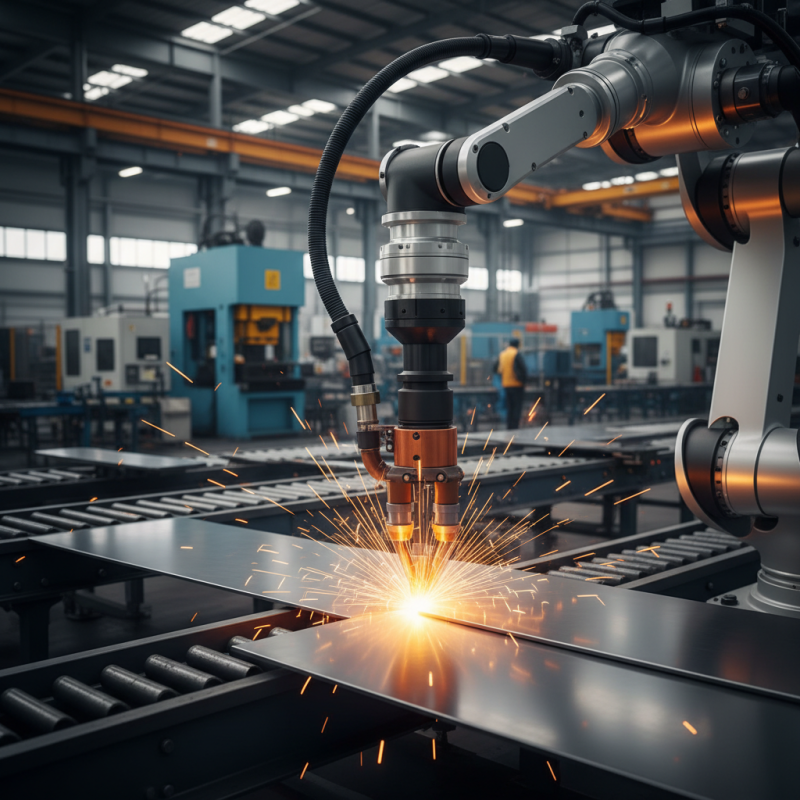
What is Electric Resistance Welding?
Electric Resistance Welding (ERW) is a widely used joining technology in various industries. It employs an electrical current to fuse materials together. The process utilizes heat generated by an electrical resistance to achieve a strong bond. According to industry reports, ERW accounts for about 60% of all welded products in certain sectors, underlining its significance.
The primary advantage of ERW lies in its efficiency. The process is fast, allowing for high-volume production. In applications ranging from automotive to construction, ERW ensures consistent quality. A recent study noted that ERW can save up to 30% in production time compared to traditional welding methods. However, one must consider potential limitations, such as reduced joint strength in specific materials.
Furthermore, the versatility of ERW is significant. It can be applied to various metals and thicknesses, making it ideal for diverse applications. Despite its benefits, challenges such as thermal distortions and the need for proper training persist. Adapting to these issues is crucial for optimizing manufacturing processes and ensuring safety. As the industry evolves, the refinement of ERW techniques will be essential for sustaining its relevance.
The Principle of Electric Resistance Welding
Electric Resistance Welding (ERW) is a widely used technique for joining metal components. The process relies on heat generated from electric resistance to weld materials together. In ERW, an electric current passes through the materials at the joint, creating a localized area of intense heat. This heat softens the metal, allowing it to fuse without the need for filler material. According to a report by the American Welding Society, ERW accounts for approximately 20% of the total welding market due to its efficiency and reliability.
The principle behind ERW is straightforward yet effective. When two metal pieces are brought together, and electrical current flows, resistance occurs at their interface. This generates enough heat to melt the surfaces. The application of pressure as the current continues enhances the weld quality. Studies suggest that ERW offers significant advantages in terms of speed and cost reduction. However, there are challenges, such as the need for precise control of both current and pressure. Inconsistent parameters can lead to weak joints, which can compromise structural integrity in critical applications.
ERW is prominent in sectors like automotive and construction. These industries benefit from the rapidity and strength offered by this welding method. However, it's essential to understand that not all materials are suitable for ERW. Some alloys or thicker materials may require alternative welding techniques. Continuous advancements in technology aim to address such limitations, making ERW more versatile in future applications.
Electric Resistance Welding Application and Usage Statistics
This bar chart illustrates the application count of Electric Resistance Welding in various industries. The automotive industry has the highest usage, followed by construction, aerospace, electronics, and heavy machinery. This data highlights the significance of electric resistance welding in modern manufacturing processes.
Key Advantages of Electric Resistance Welding
Electric resistance welding (ERW) is a widely used technique in various industries. This process involves the joining of metal parts through the application of heat generated by electric resistance. One key advantage of ERW is its efficiency. It can produce welds quickly, which significantly boosts productivity. According to the American Welding Society, ERW can increase production rates by up to 50% compared to traditional welding methods.
Another advantage is the quality of the welds produced. ERW creates strong, consistent joints, reducing the likelihood of defects. Research indicates that the tensile strength of ERW joints can exceed that of the base materials, adding reliability to structural applications. The process also generates minimal heat, which reduces the risk of warping or distortion of the materials being welded.
However, there are limitations to consider. The initial setup costs for ERW equipment can be high. Additionally, not all materials are suitable for this welding method, which can restrict its applications. While ERW presents many advantages in speed and quality, industry professionals must carefully evaluate its suitability for specific projects. This critical approach ensures the best outcomes for a given application.
Common Applications of Electric Resistance Welding
Electric resistance welding (ERW) is a popular process used for joining metal components. Its applications span various industries, showcasing its versatility and efficiency. One common application of ERW is in the automotive sector. Car manufacturers use this technique to weld steel parts. The resulting joints are strong and durable, making vehicles safer.
Another significant area is in the construction industry. ERW is utilized to connect structural steel beams rapidly. This method allows for efficient assembly, particularly in large structures like bridges and buildings. It often reduces labor costs while maintaining high quality.
Tips: Always consider the thickness of the materials being welded. ERW works best on materials that are similar in thickness. Uneven thickness can lead to weak joints.
In the appliance sector, ERW is widely used for manufacturing items like heat exchangers. These components require precise welding to function effectively. Ensuring clean surfaces before welding can enhance joint quality. It's essential to maintain proper settings for electricity and pressure during the process.
Despite its many benefits, there are challenges. Misalignments can occur, affecting weld quality. Additionally, if operators lack experience, defects are more likely. Regular training is essential to maintain high standards in welding processes.
Future Trends in Electric Resistance Welding Technology
Electric resistance welding (ERW) technology continues evolving, with significant implications for various industries. Innovations in ERW are focused on improving efficiency and reducing energy consumption. According to a recent industry report, the global ERW market is projected to reach $10 billion by 2025, reflecting a compound annual growth rate of 4.5%. As manufacturers seek sustainable solutions, the demand for energy-efficient welding techniques is increasingly crucial.
Future trends indicate a push toward automation and integration of artificial intelligence in ERW processes. AI can optimize welding parameters in real-time, leading to improved weld quality and reduced waste. Recent studies suggest that automated systems can increase productivity by over 30%. However, the complexity of integrating AI with existing systems presents challenges. There is often a skills gap in the workforce, which can hinder this transition.
Another trend is the development of new materials that are compatible with ERW. Advanced alloys and composites are being introduced, allowing for stronger, lighter constructions. Yet, this adaptability can create issues in the welding process. Not all traditional techniques work effectively with these newer materials. Manufacturers must continually experiment and innovate to overcome such obstacles. Balancing these advancements with practical implementation will shape the future of electric resistance welding.