
10 Essential Tips for Choosing Hydraulic Hose Fittings: Industry Insights & Data

Choosing the right hydraulic hose fittings is crucial for ensuring the efficiency and safety of hydraulic systems. In an industry where precision and reliability are of utmost importance, understanding the various options available can make a significant difference in performance and longevity. With so many different types of hydraulic hose fittings on the market, from quick disconnects to swivel fittings, it can be overwhelming to navigate through the choices. This article aims to provide essential insights and data to help industry professionals make informed decisions when selecting hydraulic hose fittings.

In this comprehensive guide, we will discuss ten vital tips that cover not only the technical specifications needed for compatibility with various hydraulic hoses but also practical considerations such as environmental factors, application requirements, and maintenance practices. By utilizing these insights, you can enhance the overall functionality of your hydraulic systems, prevent leaks, and reduce the risk of equipment failure. Whether you are a seasoned professional or new to the industry, understanding the nuances of hydraulic hose fittings will empower you to optimize your hydraulic applications effectively.
10 Essential Tips for Choosing Hydraulic Hose Fittings: Industry Insights & Data

Understanding Hydraulic Hose Fittings: Key Terminology and Specifications
10 Essential Tips for Choosing Hydraulic Hose Fittings: Industry Insights & Data

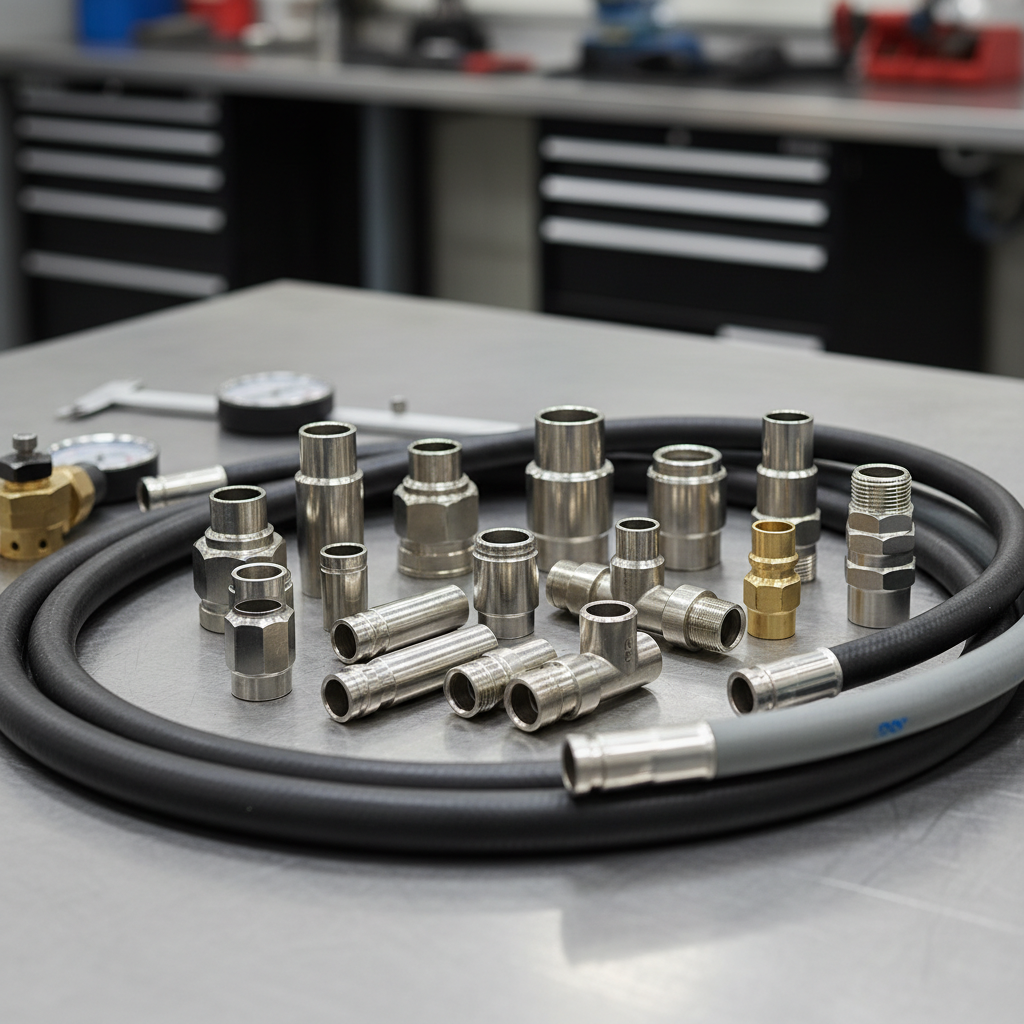
When selecting hydraulic hose fittings, understanding key terminology and specifications is crucial to ensure optimal performance and safety. Hydraulic hose fittings are designed to connect hydraulic hoses to various components in a hydraulic system, and they come in a multitude of types and sizes. According to a recent report by the Hydraulic Institute, the improper selection of fittings can lead to pressure drops and leaks, which not only affect system efficiency but can also cause equipment failure.

One essential term to grasp is the "hydraulic pressure rating", which indicates the maximum pressure the fittings can withstand without failing. Data from the National Fluid Power Association highlights that fittings with a proper pressure rating can significantly reduce operational risks and increase reliability. Additionally, understanding threading types, such as NPT (National Pipe Thread) and BSP (British Standard Pipe), is vital, as mismatched threads can result in leaks or mechanical failure. By familiarizing oneself with these specifications, professionals can make informed decisions when selecting hydraulic hose fittings, ultimately enhancing the performance and longevity of hydraulic systems.

Evaluating Material Compatibility for Optimal Performance in Hydraulic Systems

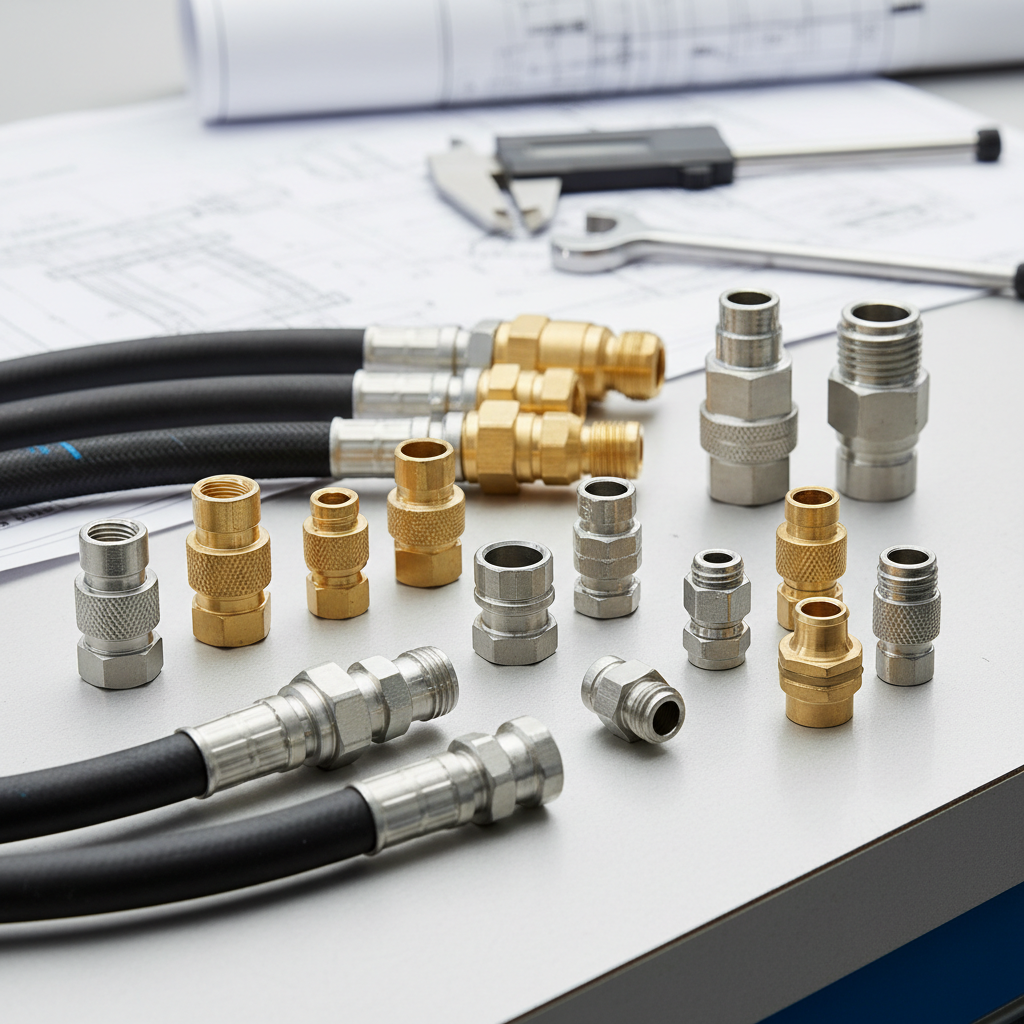
When selecting hydraulic hose fittings, evaluating material compatibility is crucial for ensuring optimal performance in hydraulic systems. Different fluids, pressures, and environmental conditions dictate the suitability of specific materials used in fittings. For instance, using brass fittings with water-based hydraulic fluids may lead to corrosion over time, while stainless steel options might be more appropriate for applications involving aggressive fluids or high temperatures.

Additionally, understanding the chemical properties of both the fluid and the fitting material is vital. Thermoplastic fittings, for example, can offer excellent resistance to certain chemicals, but may not withstand high-pressure scenarios effectively. Conducting thorough compatibility tests and consulting manufacturer specifications can greatly assist in identifying the best material choice. Ultimately, prioritizing material compatibility not only enhances system reliability but also minimizes the risk of costly failures and downtime in hydraulic operations.

Hydraulic Hose Fittings Material Compatibility

Assessing Pressure Ratings and Temperature Ranges for Safety and Efficiency

When selecting hydraulic hose fittings, understanding pressure ratings and temperature ranges is crucial for ensuring both safety and efficiency in your hydraulic systems. According to a study by the Hydraulic Industry Manufacturers Association (HIMA), nearly 30% of hydraulic system failures can be traced back to improperly rated components. To mitigate risks, always verify that the fittings you choose meet or exceed the pressure requirements of your system, which typically range from 3,000 to 5,000 psi for industrial applications.

Tip 1: Always refer to the manufacturer’s specifications and performance data sheets when selecting fittings to ensure compatibility with the hydraulic hoses you are using. This helps in preventing potential leaks and failures.

Temperature ranges also play a vital role; fittings must be rated for the maximum operating temperature of the fluid, which can vary significantly based on the application. For instance, fluids exposed to high temperatures may degrade faster, affecting overall system performance. HIMA reports indicate that fittings rated for higher temperatures (up to 250°F or more) can enhance the longevity of hydraulic systems under extreme conditions.

Tip 2: Assess the environmental exposure your hoses will endure, including temperature fluctuations and chemical interactions, to choose suitable materials superior in durability and resistance. It's essential to align fitting specifications with the environmental factors for optimal operation.

Importance of Proper Sizing and Connection Types in Hydraulic Applications

When it comes to hydraulic applications, proper sizing and correct connection types in hydraulic hose fittings are crucial for ensuring system efficiency and longevity. According to the Hydraulic Institute, approximately 30% of hydraulic system failures can be attributed to improper fitting sizes, leading to leaks and performance issues. Selecting the right size not only helps in maintaining optimal fluid flow but also reduces the likelihood of catastrophic failures, which can result in costly downtimes.

Furthermore, choosing the right type of connection is equally important. Research from the International Fluid Power Society indicates that using inappropriate connection types can lead to additional stresses in hoses, increasing the risk of damage by up to 40%. This underscores the importance of understanding the specific needs of your application, whether it be threaded, flanged, or quick-release connections. Each option has unique pros and cons that can affect both performance and safety. By focusing on these critical aspects, industry professionals can significantly enhance the reliability and efficiency of their hydraulic systems.

10 Essential Tips for Choosing Hydraulic Hose Fittings

Tip Number Tip Description Importance Common Sizing Errors
1 Select the correct fitting type based on application Vital for preventing leaks Using the same fitting type across different applications
2 Ensure proper sizing of hoses and fittings Prevents system failure Choosing a fitting that’s too small
3 Check compatibility with fluids Critical for material integrity Ignoring fluid properties
4 Verify pressure ratings of fittings Ensures safety and reliability Using fittings below required pressure ratings
5 Consider environmental factors Prevents premature wear Neglecting temperature and exposure conditions
6 Use appropriate sealing methods Reduces risk of leaks Forgetting to seal threaded connections
7 Check for corrugated or smooth fittings Affects fluid flow Using mismatched hose texture
8 Assess vibration resistance Sustains connection integrity Ignoring dynamic application factors
9 Consult industry standards and guidelines Ensures compliance and safety Failure to adhere to guidelines
10 Regular inspections and maintenance Prolongs service life Neglecting routine checks

Best Practices for Maintenance and Inspection of Hydraulic Hose Fittings

When it comes to maintaining hydraulic hose fittings, regular inspection is paramount to ensure optimal performance and safety. One effective best practice is to conduct visual checks for any signs of wear, such as cracking, abrasions, or corrosion. These inspections should be performed routinely, especially in high-pressure applications where even minor defects can lead to significant failures. Keeping a log of inspection intervals and findings can help track the condition of the fittings over time, allowing for proactive maintenance before problems escalate.

Additionally, it's crucial to verify the tightness of fittings periodically. Loose connections can cause leaks and affect the efficiency of the hydraulic system. Utilizing a torque wrench to tighten fittings according to manufacturer specifications can prevent potential issues. Furthermore, employing a fluid analysis program can help monitor the hydraulic fluid's condition, revealing contaminants that may damage the fittings and other components. By adhering to these best practices, operators can enhance the longevity and reliability of hydraulic hose fittings, ensuring a safer working environment.

Choose a global leader for your hydraulics solutions

How can we help you?

Call to 0034 943884600 Contact us
Call us Contact us

We use cookies to ensure that we give you the best experience on our website. If you continue without changing your settings, we'll assume that you agree to receive cookies on the HINE website. For more information read our cookie policy page, click the link for more information.plugin cookies

ACEPTAR
Aviso de cookies