How to Choose a Full Engine Supplier in 2026?
Choosing a Full Engine supplier in 2026 is not simply a price comparison. It is a decision about uptime, traceability, and support after delivery. A complete engine may look sound on a pallet, yet the real test comes months later: reliable cold starts, stable performance under load, and parts that remain available. Small details matter. Ask for serial-number records, test results, warranty terms, and a clear list of included components.
Logistics deserve equal attention. UNCTAD’s Review of Maritime Transport 2024 reports that more than 80% of world trade by volume moves by sea. That figure does not predict any one shipment’s delay, but it shows why lead times and contingency plans belong in supplier discussions. Request realistic delivery windows, packaging specifications, and written procedures for damaged or incomplete orders. Then verify the answers against references and service records. A polished brochure is not proof.
Quality needs evidence. W. Edwards Deming, a leading quality-management expert, said, “Quality is everyone’s responsibility.” His point applies to engine procurement: inspection cannot be left to the factory alone. Define acceptance checks before ordering, including documentation, fitment, and commissioning support. Ask who handles a failure, how quickly they respond, and whether replacement parts can be identified by engine number. Get it in writing.
There is no perfect supplier. Some buyers, myself included, can overvalue a low quote before calculating downtime and follow-up costs. Compare suppliers on verified performance, technical compatibility, transparent terms, and reachable support—not promises alone. This guide outlines a practical way to assess those factors before committing to a Full Engine supplier in 2026.
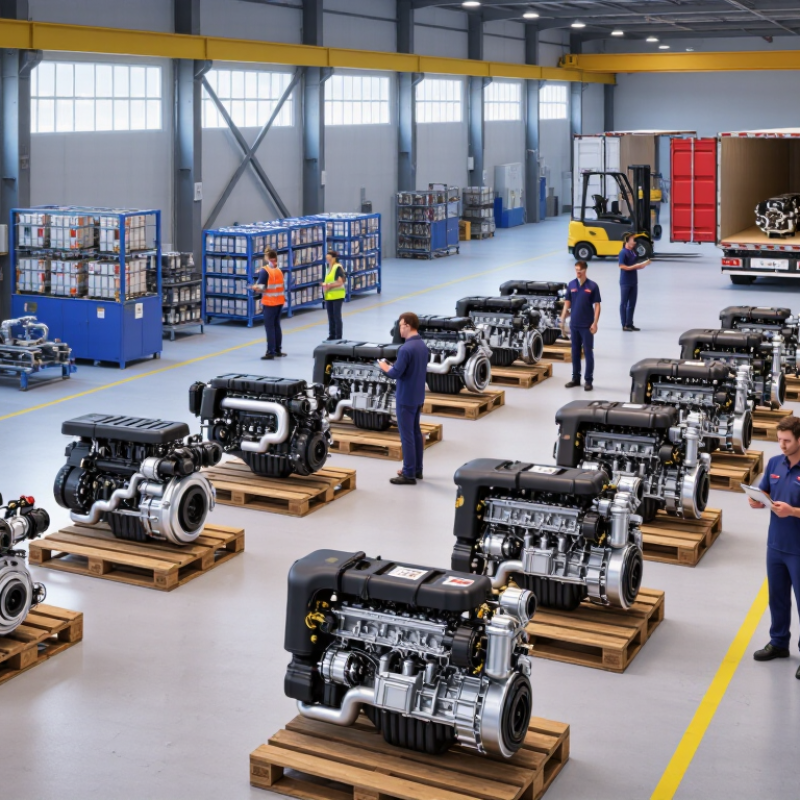
Define the Full Engine Supplier’s Role and Scope
A full engine supplier should be more than a parts vendor. Its role covers engine design, component sourcing, assembly, testing, documentation, and field support. In practice, the supplier should provide one accountable technical interface. This reduces gaps between the cylinder head, fuel system, control unit, cooling circuit, and exhaust system. However, “full” must be defined in writing. A vague promise can create expensive responsibility disputes later.
Scope also depends on the powertrain strategy. The IEA’s Global EV Outlook 2025 reports that electric car sales exceeded 17 million in 2024. That shift affects engine demand, but combustion engines remain relevant in hybrids, commercial vehicles, generators, and specialized equipment.
Ask whether the supplier supports calibration, durability testing, emissions compliance, spare parts, and software updates. Confirm ownership of drawings, test results, and change approvals. OICA’s 2024 production statistics also show global vehicle manufacturing remains substantial, so production scalability deserves direct evidence, not optimistic forecasts. A neat checklist still misses integration risks.
Tips: Request a responsibility matrix before requesting prices. Review one complete test report. Check factory capacity, quality records, warranty procedures, and response times. Ask for a sample launch schedule. If the supplier cannot explain who owns a failed cold start, the scope is not complete. Expect some uncertainty. Real projects rarely follow the first spreadsheet.
Set Technical, Compliance, and Performance Requirements
Choosing a full engine supplier in 2026 starts with written requirements, not attractive production photos. Define displacement, rated power, torque curve, duty cycle, fuel type, cooling method, and installation limits. Add measurable targets for cold starts, altitude operation, noise, vibration, fuel use, and service intervals. Ask for test methods, acceptance limits, and raw test records. Vague claims create expensive arguments later.
Compliance must match the engine’s destination and intended use. Require documented emissions results, material declarations, safety files, serial-number traceability, and change-control procedures. Confirm that production engines match the tested configuration. Review factory calibration controls and software update records. Do not accept a certificate without scope, date, and verification details. An experienced supplier should explain gaps openly, rather than hide behind paperwork.
Performance evidence should come from realistic testing. Request a pilot engine, cold-start checks, loaded endurance runs, and repeated shutdown cycles. Inspect oil filters, coolant passages, fasteners, and diagnostic records after testing. Compare promised fuel consumption with measured results under the same load profile. A practical audit lesson is uncomfortable: buyer requirements are often incomplete. A spreadsheet may ignore spare-parts access, technician training, or response time during a failure. No checklist is perfect. Leave room for revision, but document every exception, assumption, and approval before production.
Verify Supplier Reliability Through Audits, Trials, and References
A full-engine supplier’s presentation can look convincing. Verify what happens on the factory floor. McKinsey’s 2020 supply-chain survey found that 93% of respondents planned to make their supply chains more resilient. That goal starts with evidence, not promises. During an audit, inspect machining, cleanliness controls, parts traceability, and how nonconforming components are handled. Ask to review a real corrective-action record, not a polished sample. Small details matter: a missing batch code can make an otherwise sound test difficult to trust.
Then run a production trial using your own specifications and acceptance criteria. Check cold starts, oil pressure, vibration, emissions, and performance under sustained load. Record results across multiple units; one successful engine proves little about consistency. Agree on what happens when a sample fails before testing begins. It can feel awkward to insist on this. Do it anyway. A trial should reveal weaknesses, including ones the supplier may not have anticipated.
References add another layer. Speak with customers who use comparable engines and operate in similar conditions. Ask about delivery accuracy, warranty response times, recurring defects, and access to replacement parts. Request permission to contact more than one reference, since a single recommendation can be unusually favorable. Compare their accounts with audit findings and trial data. No checklist catches everything, and audits can miss problems between visits. Reassess the supplier after ramp-up, when output rises and daily performance becomes harder to stage.
How to Choose a Full Engine Supplier in 2026?
A practical supplier verification model should combine independent audits, production trials, and customer references before a full-engine sourcing decision is made.
The chart shows a proposed 100-point verification framework: audit evidence evaluates systems and traceability, trial evidence evaluates actual engine performance, and reference evidence validates delivery and after-sales capability. These are decision weights, not company or brand performance data.