2026 How to Choose the Best Sand Dredger for Your Project?
Choosing the right Sand Dredger for your project can be challenging. Expert Tom Henderson states, "The right equipment can make or break a dredging operation." His insights underscore the significance of making informed choices.
A Sand Dredger is essential for various projects, including harbor maintenance and land reclamation. Different projects demand different types of dredgers, each with unique capabilities. For instance, a cutter suction dredger may excel in tough soil, while a trailer dredger could be ideal for smaller operations.
Understanding the specific requirements of your project is crucial. Factors such as project scale, soil type, and budget need attention. Misjudging these parameters can lead to equipment inefficiencies and increased costs. The world of sand dredging is complex, and seeking expert guidance is often necessary. Every dredging project is unique, and reflection on past choices can guide better decisions in the future.
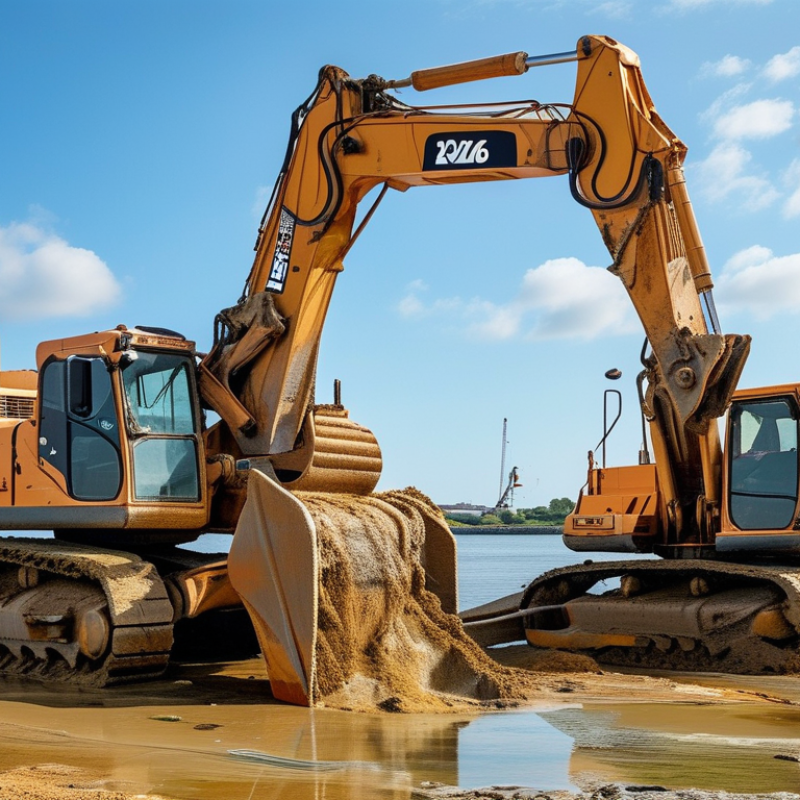
Understanding the Different Types of Sand Dredgers Available in the Market
When choosing a sand dredger, it’s essential to understand the different types available. Three main categories dominate the market: cutter suction dredgers, hydraulic dredgers, and trailing suction hopper dredgers. Each type has its unique features and applications. Cutter suction dredgers are effective for harder materials and can operate in shallow water. Hydraulic dredgers excel in deep waters and muddy environments. Trailing suction hopper dredgers are versatile and widely used for beach nourishment projects.
According to industry reports, the global dredging market is projected to reach $16 billion by 2025, driven by infrastructure development. Data shows that cutter suction dredgers hold approximately 40% of this market share. However, the choice of dredger depends on specific project requirements, such as water depth, sediment type, and production capacity. Inexperienced project managers may overlook these factors, leading to overestimation of dredging efficiency.
Inadequate understanding of dredging technologies can result in unforeseen costs. For example, selecting the wrong type of dredger may increase operational time, causing budget overruns. Each project has unique environmental conditions, making adaptability critical. Before making a decision, stakeholders should perform thorough site assessments. A well-informed choice will enhance project success and sustainability in the long term.
Evaluating Key Specifications and Features of Sand Dredgers
When evaluating sand dredgers, several specifications are crucial to ensure you select the right machine for your project. Start with the dredger's capacity, which dictates the amount of material it can move in a given time. Higher capacity options are often more efficient for large-scale operations, but they may also have higher operational costs. Assessing the dredger’s pump power is essential. A powerful pump can handle a variety of sediment types, improving overall project effectiveness.
In addition to capacity and power, consider dredging depth and width. Different projects require different dimensions. If you’re working in shallow waters, a compact dredger could suffice. For deeper applications, look for models that can reach significant depths while maintaining stability. Think about the environment too. Some dredgers are designed specifically for environmentally sensitive areas.
Understanding the maintenance requirements of your selected dredger can help avoid future setbacks. Regular upkeep may seem tedious, but it greatly impacts machine longevity. The ease of access for repairs and service is another aspect worth considering. If the dredger is hard to maintain, it could lead to project delays.
Be mindful of the project’s specifics. What suits one project may not work for another. Think critically about your needs and how different features may align with your project goals. Balancing efficiency with environmental considerations can lead to better outcomes.
2026 How to Choose the Best Sand Dredger for Your Project? - Evaluating Key Specifications and Features of Sand Dredgers
| Feature | Specification | Considerations |
| Dredging Depth | Up to 30 meters | Ensure it meets project needs |
| Pump Capacity | 1000-5000 m³/h | Choose based on material type |
| Fuel Type | Diesel / Electric | Consider operating costs and regulations |
| Suction Diameter | 300-800 mm | Influences flow rate and efficiency |
| Weight | 50-200 tons | Consider transport and site access |
| Maintenance Requirements | Regular / Low Maintenance | Impact on operational uptime |
| Operating Environment | River, Ocean, or Lake | Specific designs for varied conditions |
Assessing Project Requirements for Optimal Dredger Selection
Choosing the right sand dredger for a project hinges on a thorough assessment of project requirements. Each project is unique, demanding careful consideration of various factors. For instance, the sediment type plays a critical role. Sandy, clayey, or rocky bottom materials necessitate different machinery specifications and capabilities.
Next, consider the project's scale. A small maintenance dredging task requires less powerful equipment than a major construction project. Evaluate the dredging depth, flow rates, and discharge distance. Overlooking these details can lead to costly delays or inadequate performance. Additionally, environmental regulations must also guide your decision. A responsible approach involves understanding local laws and potential ecological impacts.
Reviewing the available technology is essential too. Modern dredgers come with various features, yet the best choice may not be the newest model. Older models can sometimes offer reliability and simplicity. Reflect on your team's expertise with different types of dredgers. Familiarity can make a significant difference in efficiency. While striving for optimal performance, remain open to reassessing choices throughout the project lifecycle. Flexibility is crucial as new challenges may arise.
Considerations for Budget and Cost-Effectiveness in Dredging Projects
When embarking on a dredging project, budget considerations are paramount. Approximately 30% of total project costs can be attributed to equipment and operation expenses. Understanding the specific needs of your project is crucial. The type of dredger you select can significantly impact your overall budget, especially with operational costs. For instance, electric dredgers may have higher upfront costs but lower operating costs compared to diesel models. Thus, analyzing long-term expenses is vital for cost-effectiveness.
Another important factor is the dredging depth and material type. Projects requiring deeper dredging typically incur higher costs, often escalating by 20% for every additional meter. Not all dredgers are suited for every material. Soft materials can be dredged more cost-effectively than hard materials, which may require specialized equipment. It’s essential to match your dredger choice with the project scope to avoid unnecessary expenditures.
Lastly, project planning should include contingencies for unforeseen costs. Industry reports indicate that around 15% of projects exceed budgets due to unexpected challenges. Factors such as environmental regulations or site conditions can contribute to these additional costs. A thorough risk assessment can provide insights into potential financial setbacks, ensuring your project remains within budget while meeting its objectives.
Analyzing Manufacturer Reputation and After-Sales Support Options
When selecting a sand dredger, manufacturer reputation is crucial. A reliable manufacturer will provide not just the equipment but also essential after-sales support. Industry data shows that 70% of project delays stem from operational issues. Dredgers require ongoing maintenance and support to ensure they perform efficiently. A reputable manufacturer typically offers comprehensive warranties and service packages. This ensures that any issues can be addressed quickly, minimizing downtime.
Moreover, after-sales support can significantly influence the longevity of your equipment. Research indicates that 60% of customers emphasize after-sales service when choosing a dredger. Quality support improves user satisfaction and operational efficiency. It's worth exploring customer testimonials and industry reviews to gauge the experiences of others. A strong reputation often correlates with dedicated support teams that understand specific project needs.
On the flip side, some manufacturers may overpromise on support. This can lead to frustration if customers encounter challenges. Take the time to verify claims and seek out independent assessments of customer service quality. Understanding a manufacturer’s track record can offer valuable insights into their reliability and commitment to customer care.