

Choosing the best Carpet Cutter in 2026 is less about buying the sharpest-looking tool and more about matching it to the job. A straight cut across broadloom carpet demands different control than trimming a doorway or cutting dense backing. A tool that feels comfortable in a showroom may slip when your hands are tired. That matters.
The U.S. Bureau of Labor Statistics’ Occupational Outlook Handbook projects 6% employment growth for flooring installers and tile and stone setters from 2023 to 2033. That projection does not measure cutter sales, but it reflects steady demand for skilled flooring work. The Carpet and Rug Institute’s carpet installation standards and guidance also underline why accurate measuring, clean cuts, and appropriate installation methods matter. These sources offer useful context, not a shortcut to choosing a tool.
A practical comparison should consider blade style, grip, cutting depth, visibility, and replacement-blade availability. A sharp blade is only part of the story. On a real job, carpet backing can resist the cut, while a bulky handle may make tight corners awkward. Small detail. Check that the cutter suits the carpet type and follows its manufacturer’s instructions. I would not claim one design works best for every installer; even experienced users have preferences worth questioning. Compare tools on representative carpet samples, and note whether cuts stay straight without excessive pressure. That modest test can reveal more than a polished product description.
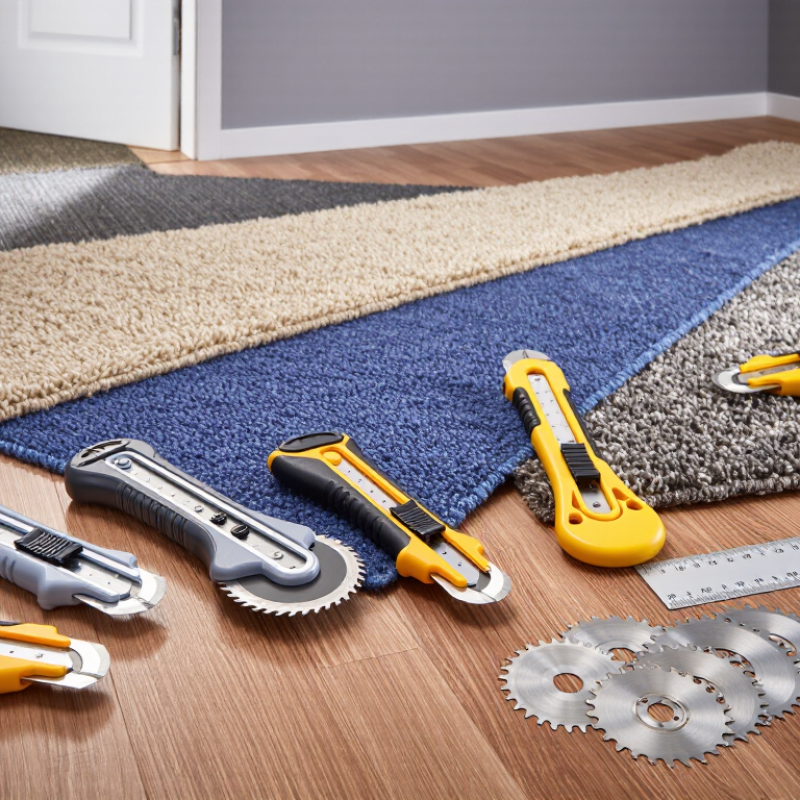
A standard utility knife with a straight blade suits trimming carpet edges and cutting backing along a straightedge. It works well for thin or low-pile carpet, but thick pile can catch and pull. Keep the blade sharp. A dull edge often leaves ragged fibers and needs more pressure, which can make control harder.
Hook-blade carpet knives are useful for cutting from the backing side. Their curved tips help reduce the chance of slicing deeply into the pile. For seams, a seam cutter or row cutter can follow a consistent line between carpet rows. These tools take practice; test the cut on an offcut before working near a visible edge. Small jobs differ.
Electric carpet shears can speed up long cuts through dense carpet, especially when hand cutting feels slow. They are less useful in tight corners or for small, precise trims. Choose based on the carpet’s pile, backing, and cut direction, not just the tool’s appearance. A common misjudgment is assuming one cutter handles every material. It doesn’t. Secure the carpet on a stable surface, keep fingers clear of the blade path, and replace blades when cuts begin to drag.
Before choosing a carpet cutter, assess the carpet itself, not just the room’s square footage. Check pile height, backing, and condition in a hidden corner. Low-pile synthetic carpet may cut cleanly with a sharp utility knife; dense loop pile or thick backing may resist and fray. Feel the underside, too. Stiff, glued backing often needs repeated controlled passes rather than one forceful push. That difference affects blade strength, handle grip, and how often you may need to replace blades.
Plan around the actual cuts. Straight trimming along a wall differs from shaping around door frames, vents, or stair edges. For long cuts, a stable guide can help keep the blade aligned; curves call for shorter, lighter strokes. Test a scrap. It can reveal whether the pile pulls, the backing tears, or the blade snags. Measure twice, then leave a small allowance for final fitting. Even a careful paper plan may not account for an uneven floor.
Consider how much carpet you will cut and where. Occasional patch work may not justify a large, heavy tool, while a full-room installation can make grip comfort and replaceable blades more important. Check that the cutter sits securely in your hand, especially near edges. Small detail. It matters. I would not assume the first test cut tells the whole story; a worn blade or changing pile direction can alter the result.
Blade design matters most when the carpet changes under your hand. A hooked blade can slice carpet backing while reducing the chance of catching the pile; a straight blade offers control for trimming edges and tight corners. Choose a cutter with a secure blade lock and easy replacement. A sharp edge matters. A dull blade can drag, fray fibers, and demand extra pressure. Handle shape counts, too: a broad, textured grip helps keep the tool steady when your palm is warm or dusty. Weight is personal; a heavier body may feel stable, but can tire your wrist during repeated cuts.
Tips: Check that the blade depth suits the carpet and underlay, then test on an offcut. Keep a straightedge close and change blades when cuts begin to snag. A feature list cannot tell you how a handle fits your hand, so try the grip if possible.
Look for a cutter that allows controlled depth adjustment and gives a clear view of the cutting line. These details help around doorways, seams, and skirting boards. The UK Health and Safety Executive’s 2023/24 work-related ill-health report estimated 543,000 workers had work-related musculoskeletal disorders, with 7.8 million working days lost. That broad figure does not prove a particular cutter prevents injury, but it is a useful reminder to value grip and manageable cutting force. There is a trade-off: compact tools reach corners, yet may feel less stable on long cuts.
A carpet cutter should feel controlled before it feels fast. Check that the blade retracts or locks securely, and that changing blades does not put fingers in the cutting path. On a test offcut, make a short cut through dense pile and backing. The handle should stay steady without forcing your wrist sideways. Small details matter. A textured grip helps when hands are warm, but bulky gloves can make a narrow handle awkward.
Comfort is not a luxury. The U.S. Bureau of Labor Statistics reported 2.6 million nonfatal workplace injuries and illnesses among private-industry workers in 2023. That broad figure is not specific to carpet cutting, but it underscores why tool control and safe handling deserve attention. For durability, inspect the blade channel, locking mechanism, and handle joints; loose parts can turn a clean cut into repeated, tiring passes. A metal body may tolerate drops better, yet weight can increase fatigue during long jobs. I would not judge toughness by weight alone. Look for replaceable blades, clear maintenance guidance, and a lock that still engages after repeated use. A cutter that feels perfect in the shop may feel different after an hour on the floor.
| Cutter Type | Typical Blade and Use | Safety Considerations | Comfort Factors | Durability Factors | Best Fit |
|---|---|---|---|---|---|
| Dedicated carpet knife | Usually accepts replaceable straight or hooked blades. The body is shaped for common carpet-cutting and trimming tasks. | Look for a secure blade holder and a design that covers or retracts the blade when not in use. Keep the free hand out of the cutting path. | A broad, contoured handle can be easier to grip during repeated cuts. Handle shape and comfort vary by model. | Metal bodies generally resist impact better than lightweight plastic, while the blade remains a replaceable wear item. | Regular carpet installation and trimming when a purpose-shaped handle is preferred. |
| Retractable utility knife with straight blade | Uses a straight utility blade for controlled trimming and cutting tasks. Blade extension is adjustable on many designs. | Retract the blade before setting the tool down or carrying it. Use only as much blade extension as the cut requires. | Choose a handle that fits the user’s hand and offers a secure grip, especially for repetitive work. | Blade replacement is straightforward on many models; body life depends on construction and care. | General-purpose cutting and precise trimming, including work around edges and openings. |
| Hook-blade carpet knife | Uses a curved hook blade commonly selected for cutting carpet and other flooring materials. The hook helps engage material during a cut. | The exposed hook remains sharp and can catch or cut skin. Store it covered, and cut away from the body where practical. | A comfortable handle and a secure blade fit help maintain control; do not force a dull blade through material. | Blades are replaceable. Check the blade holder regularly for looseness or damage. | Carpet cuts where a hooked blade is suitable; check the flooring material and cutting method before use. |
| Heavy-duty utility knife | Typically has a sturdy body and accepts replaceable utility blades; suitable for demanding general cutting when compatible with the blade type. | A heavier body does not make a cut safer. Use a locking or retracting mechanism correctly and avoid excessive force. | A larger grip may suit users who prefer a substantial handle, but can feel bulky for fine trimming or smaller hands. | A robust body can tolerate frequent job-site use. Inspect moving parts and blade-retention components for wear. | Frequent use or tougher cutting tasks, provided the selected blade is appropriate for carpet. |
| Snap-off utility knife | Uses a segmented blade; a fresh segment can be exposed when the current edge becomes dull. Confirm that the tool is rated for the intended material. | Use the built-in segment-breaking feature as instructed, and dispose of broken segments in a puncture-resistant container. | A slim profile can support controlled light trimming, though it may be less comfortable for prolonged heavy cutting. | Blade segments are replaceable, but the blade channel and locking mechanism should be kept clean and checked for secure engagement. | Light trimming and tasks where a fresh edge is useful; not every snap-off knife is suitable for thick carpet. |
| Selection note: Features and suitability vary by individual tool. Check the manufacturer’s instructions, use a blade intended for the material, wear appropriate hand protection, and replace dull or damaged blades. No cutter type eliminates the need for careful cutting technique. | |||||
How to Choose the Best Carpet Cutter in 2026
Selecting a carpet cutter starts with the material and the cut. Dense backing may need a stronger hooked blade, while detailed trimming benefits from a narrow, controlled tip. Choose a cutter with a secure blade lock, a comfortable grip, and simple blade changes. Test it on an offcut first. The blade should pass through backing without forcing your wrist or snagging the pile. It is tempting to focus only on sharpness; that can be a mistake. Control matters too. The U.S. Bureau of Labor Statistics reports 121,700 floor layers were employed in 2023, with 3% job growth projected from 2023 to 2033. That steady trade makes practical tool choice relevant for both crews and careful DIY users.
Maintenance keeps cuts consistent. Clear lint and adhesive from the blade channel, check that the lock holds, and replace blades when they drag or leave ragged edges. Retract the blade before setting the cutter down, and store it somewhere dry. Small detail. It matters. BLS data for 2023 show construction had 2.5 recordable injury cases per 100 full-time workers; this figure covers the industry, not carpet cutting alone. A stable straightedge, a cut-resistant surface, and unhurried strokes can reduce slips. I would not keep a blade just because it still looks usable. Dullness can be hard to judge by sight, so test on scrap instead. Don’t force it.
Typical task suitability by cutter style
Ratings are practical guidance on a 1–5 scale, not laboratory measurements; performance varies with carpet construction and technique. Choose a cutter that feels controlled in your hand and accepts the blade suited to the job. Before use, inspect the blade; after use, clear away fibers and debris, retract or cover the blade, and replace it when dull or damaged.
How can we help you?
Call to 0034 943884600 Contact usWe use cookies to ensure that we give you the best experience on our website. If you continue without changing your settings, we'll assume that you agree to receive cookies on the HINE website. For more information read our cookie policy page, click the link for more information.plugin cookies
ACEPTAR