2026 How to Choose the Right Industrial Panel Computer?
Choosing the right Industrial Panel Computer can be daunting. According to a report by MarketsandMarkets, the global industrial PC market is projected to reach $7.85 billion by 2026. This growth highlights the increasing importance of reliable and efficient computing solutions in industrial settings. Selecting the right device requires understanding specific needs, such as size, durability, and processing power.
Industrial Panel Computers combine performance with usability. These devices must withstand harsh environments and provide intuitive interfaces. A study by Grand View Research states that ruggedized systems will dominate the market, driven by demand in sectors like manufacturing, transportation, and energy. However, not all products meet these rigorous standards. Users must often confront challenges related to integration and compatibility with existing systems.
While many products boast impressive features, potential buyers should approach claims critically. It's essential to compare specifications, customer reviews, and manufacturer reputations. A significant investment hinges on these choices. Making informed decisions can lead to greater operational efficiency and long-term value. Balancing performance, cost, and reliability is crucial.
Understanding Industrial Panel Computers and Their Applications
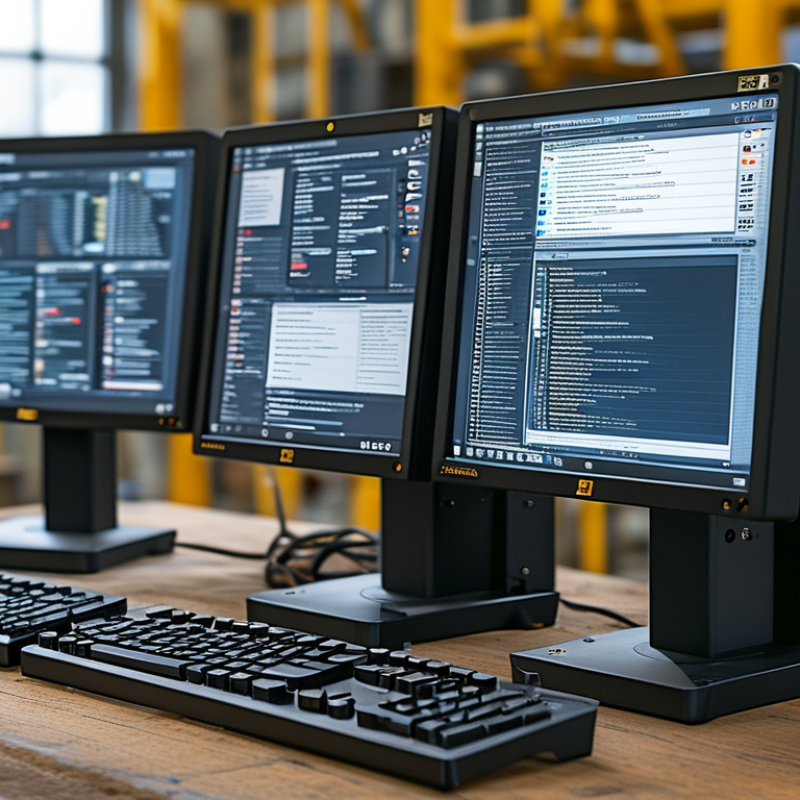
Industrial panel computers are specialized devices designed for tough environments. They combine computing power with robust interfaces. Often found in manufacturing, mining, and process control, they provide real-time data analysis and monitoring capabilities. Their sturdy construction ensures they withstand extreme conditions, making them reliable in various industries.
When choosing an industrial panel computer, consider its application. Some environments may require touchscreen interfaces, while others may need physical buttons for functionalities. Not all panel computers are suitable for environmental extremes; some may fail under humidity or dust. Real-world testing is crucial. Don't just rely on specifications; ensure it meets your needs.
Additionally, think about the software compatibility. Will your existing systems integrate smoothly? If not, it could lead to operational hiccups. Consider the lifecycle of the hardware as well. Rapid technological advancements can render machines outdated quickly. Keep these factors in mind to make an informed decision.
Key Features to Consider When Selecting an Industrial Panel Computer
Choosing the right industrial panel computer can be a daunting task. There are several key features to consider. Start with the display type and size. Industrial environments often require robust screens. Touchscreen capabilities can enhance usability, especially in fast-paced settings.
Next, consider the processing power. A panel computer should handle multiple tasks simultaneously. Choose a device with a reliable processor that fits your operational demands. Also, pay attention to the RAM. The more memory available, the smoother your tasks will run.
Another critical factor is connectivity options. Check for ports and wireless capabilities. Industrial applications often require various input devices. Ensure compatibility with your existing systems. Lastly, think about the operating temperature range. Your panel computer should withstand your specific environment. Make a list of your needs before making a decision. Each feature plays a role in overall performance. It's crucial to weigh these factors carefully.
Evaluating Performance Specifications: CPU, RAM, and Storage Needs
When selecting the right industrial panel computer, performance specifications are crucial. CPU, RAM, and storage significantly influence efficiency and capability. The CPU drives overall performance. Consider the types of applications you will run. High computational tasks need faster processors. For basic functions, a mid-range CPU might suffice.
RAM plays a vital role too. Insufficient RAM can lead to slowdowns. Aim for at least 4GB for basic tasks. For heavy applications, 8GB or more is preferable. Be mindful of multitasking needs; more RAM helps maintain smooth operations under load.
Storage is equally important. Solid State Drives (SSD) offer speed and durability. Traditional Hard Disk Drives (HDD) provide larger capacities but are slower. Choose based on your data needs. Remember, faster storage translates to quicker access.
Tips: Always assess your future needs. Upgrading components may be necessary as projects evolve. Research compatibility; some parts may not work well together. Evaluate the total cost of ownership. It may be tempting to save upfront, but higher quality often leads to less downtime and maintenance.
2026 How to Choose the Right Industrial Panel Computer? - Evaluating Performance Specifications
| Specification | Entry Level | Mid Range | High-End |
| CPU | Intel Celeron | Intel i5 | Intel i7/i9 |
| RAM | 4 GB | 8 GB | 16 GB or More |
| Storage | 128 GB SSD | 256 GB SSD | 512 GB SSD or 1 TB HDD |
| Display Size | 15 inches | 17 inches | 21 inches+ |
| Operating System | Windows 10 IoT | Windows 10 Pro | Windows Server or Linux |
Assessing Environmental Requirements for Industrial Panel Computers
When selecting an industrial panel computer, understanding environmental requirements is critical. Different industries face various challenges, including temperature, humidity, and dust. For instance, a report by Research and Markets estimates that 80% of industrial computers malfunction due to extreme environmental conditions. Choosing a device rated for these conditions can significantly improve operational efficiency.
Temperature extremes can affect the performance of equipment. Computers used in manufacturing may need to operate in environments between -40°C to 75°C. A lack of reliable data can lead to poor choices. Dust and moisture can also be detrimental. A study by Intel highlights that 60% of industrial setups are exposed to dust, which can clog vents and cause overheating.
Think about certifications. Devices with an IP65 rating can withstand dust and low-pressure water jets. Not all products meet these standards, highlighting the need for research. Misjudging environmental requirements can lead to increased operational costs and downtime. Ensure that adequacy is prioritized over brand recognition; the right specifications matter significantly in demanding environments.
Assessing Environmental Requirements for Industrial Panel Computers
This chart illustrates the environmental requirements that impact the selection of industrial panel computers in various industries. These factors include temperature range, humidity tolerance, vibration resistance, and dust protection.
Budget Considerations and Long-Term Cost Analysis in Your Decision
When choosing an industrial panel computer, budget considerations are crucial. The initial purchase price is just one aspect of the total cost. A report from MarketsandMarkets indicates that the total spending on industrial computers is expected to reach $5 billion by 2025. This data highlights the importance of understanding long-term expenses.
Beyond purchase costs, potential maintenance and operational expenses arise. Over a five-year lifespan, maintenance can consume up to 20% of the initial investment. Furthermore, energy efficiency plays a vital role in long-term costs. A report from the International Energy Agency shows that energy efficiency improvements can reduce operating costs by up to 30%.
Considering these factors, analysis should go beyond the upfront cost. Delving into warranty options, upgrade capabilities, and support services adds more layers to your financial decision. While initial savings are appealing, the real challenge lies in choosing a solution that remains effective and efficient over time. Factoring in all aspects may result in a higher upfront cost but offers longevity and reliability.