

How to Choose the Right Shovel Undercarriage in 2026?

The right Shovel Undercarriage can keep a large hydraulic shovel stable, productive, and predictable under demanding conditions. The wrong choice may accelerate wear, increase downtime, and make routine maintenance harder. In 2026, buyers should look beyond the machine’s purchase price. Ground conditions, operating hours, travel distance, impact loads, and maintenance capacity all shape the best fit.

A careful selection starts with the jobsite. Sticky clay can pack around shoes and rollers. Abrasive rock can wear contact surfaces quickly. Long travel routes place different demands on components than short, repetitive digging cycles. Track shoe width, link design, roller quality, and sealing performance deserve close attention. So do parts availability and the service support behind them. Small differences matter.

This guide compares the factors that help match an undercarriage to real operating conditions. It also highlights trade-offs that are easy to miss in a specification sheet, including wider shoes that may improve flotation but increase stress on some components. The source material provided does not identify a verifiable industry expert or quotation, so I won’t invent one. That matters: a convincing quote is not evidence. Use the sections ahead to assess equipment requirements, compare options, and ask suppliers precise questions before committing. The best choice is not always the most durable—or the cheapest. It is the one suited to the work, with risks understood and maintenance planned.
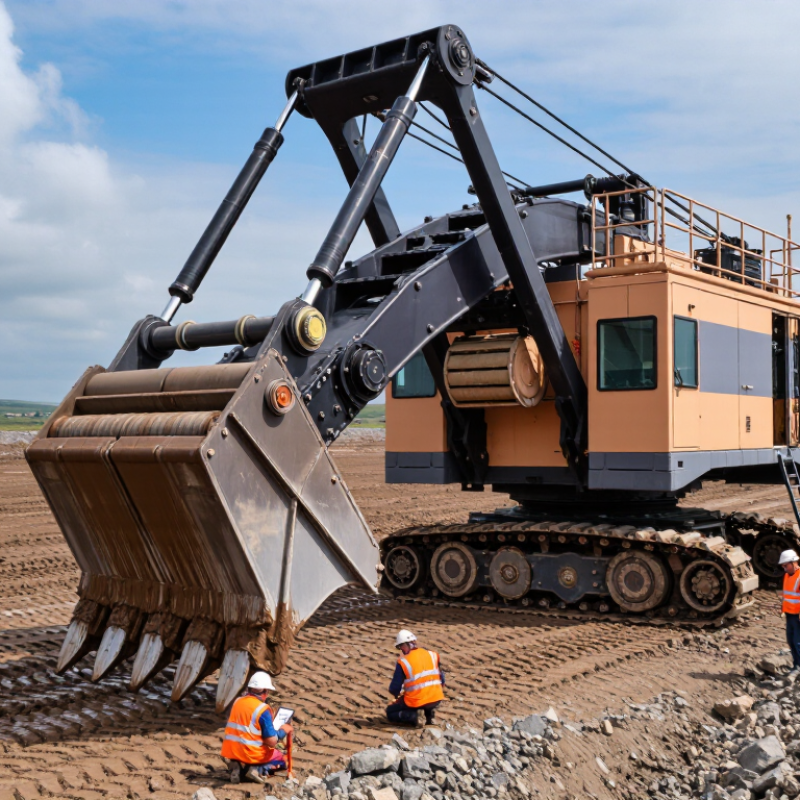
How to Choose the Right Shovel Undercarriage in 2026?

Understanding Shovel Undercarriage Types and Components

How to Choose the Right Shovel Undercarriage in 2026?

Understanding Shovel Undercarriage Types and Components

A shovel’s undercarriage transfers digging forces into the ground, so match its design to material, travel distance, and ground conditions. Crawler systems suit soft or uneven ground and heavy digging. Wider shoes spread machine weight, while narrower shoes can improve maneuverability on firmer surfaces. Wheeled setups can travel more easily across prepared, hard ground, but offer less flotation. There is no perfect configuration. A choice that works in a dry quarry may struggle after rain.

Look beyond the track frame. Track shoes, links, pins, bushings, rollers, idlers, sprockets, and the tensioning system wear together. One neglected component can accelerate wear across the chain. The U.S. Geological Survey’s Mineral Commodity Summaries 2025 estimates U.S. crushed-stone output at about 1.5 billion tons in 2024—a reminder of the demanding scale of aggregate handling, not a shovel-sizing formula. Check the machine’s operating weight, ground pressure, expected turns, and abrasive conditions before specifying components. Small details matter. Field measurements still beat assumptions.

Tip: Inspect track tension and shoe wear on level ground, using the machine’s service guidance. Record readings and compare them over time. If one side wears faster, check turning habits, alignment, and uneven loading; the cause is not always obvious.

Assessing Jobsite Conditions and Operating Requirements

Before choosing a shovel undercarriage, record the ground type, moisture, slope, travel distance, and daily operating hours. ASTM D2487 classifies soils by properties such as grain size and plasticity; it does not, by itself, establish safe bearing capacity. Wet clay may look firm at dawn, then rut under repeated turns. Measure or obtain site-specific bearing data where ground failure would be costly. That matters.

Compare the machine’s operating mass with its track contact area. ISO 16754 describes a method for determining mean ground pressure for crawler machines. For illustration, a 30,000-kilogram machine with two tracks, each 0.6 meters wide and 3.5 meters long in contact, produces about 70 kilopascals of nominal pressure. Real pressure varies with load distribution, track tension, and uneven terrain. Treat the calculation as a screening check, not a guarantee.

On soft, wet ground, wider shoes can spread load and limit sinking, but may reduce maneuverability in confined areas. Rocky, abrasive surfaces favor durable components and careful track-width selection; extra width is not automatically better. Longer frames can improve stability when digging at reach, yet increase turning space and transport demands. Compare these trade-offs with the actual attachment, duty cycle, and haul route. A tidy spreadsheet can still mislead: inspect the site after rain and ask operators where the machine repeatedly slips, sinks, or wears unevenly.

How to Choose the Right Shovel Undercarriage in 2026? — Assessing Jobsite Conditions and Operating Requirements

Jobsite Condition or Requirement What to Assess Undercarriage Direction Key Trade-Off or Check
Soft soil, wet ground, or low bearing capacity Ground strength, rut depth, seasonal water levels, and how often the machine must travel across the site. Consider wider shoes to spread machine weight over a larger contact area. Select a track frame and shoe arrangement approved for the machine. Wider shoes can reduce ground pressure, but may increase bending loads and damage risk on hard, uneven ground. Confirm allowable shoe width with the machine’s specifications.
Rocky, abrasive, or highly uneven terrain Rock size, sharpness, impact exposure, slope, and the amount of turning on rough surfaces. Favor heavy-duty components and a shoe width suited to the machine’s rated configuration. Consider robust track links, rollers, idlers, and guards where compatible. More robust parts may add weight and cost. Inspect for impact damage, cracked components, and packed material; no configuration eliminates abrasive wear.
Firm ground with frequent turning Turning frequency, counter-rotation, travel distance, and whether the surface is abrasive or paved. Use a shoe width appropriate for firm ground and minimize unnecessary tight turns. Keep track tension and alignment within the manufacturer’s limits. Turning on firm surfaces can accelerate wear on shoes, links, and track systems. Wider shoes may increase turning resistance and component stress.
Steep slopes or work on uneven grades Slope angle, direction of travel, soil traction, machine load, and the site’s safe operating limits. Choose a machine-approved shoe and track configuration that provides suitable traction and stability. Follow the operator manual for slope operation and travel direction. Undercarriage choice cannot make an unsafe slope safe. Avoid abrupt turns and travel movements that could compromise stability; assess the ground before operation.
Sticky clay or material that packs into the tracks Material moisture, track-frame clearance, packing locations, and how frequently cleaning is practical. Consider a track design and guarding arrangement that suits the material and allows effective inspection and cleaning. Packed material can increase wear and interfere with track movement. Guards may help protect components but can also retain material if poorly matched to the site.
Long travel distances between work areas Daily travel distance, speed, surface hardness, loaded travel, and the proportion of operation spent moving. Prioritize a configuration suited to the machine’s travel duty and establish regular checks of track tension, rollers, idlers, and sprockets. Continuous travel increases undercarriage wear. Follow the machine’s travel-speed and cooldown guidance, and avoid unnecessary high-speed travel.
High-impact digging or frequent loading cycles Impact severity, digging direction, bucket load, cycle frequency, and whether the machine repeatedly works against the same side. Select components rated for the machine and duty cycle; use operating practices that keep the tracks positioned for stable digging. Repeated shock loads can shorten component life. Correct operating technique and timely inspection matter as much as component selection.
Low operating cost and predictable maintenance are priorities Annual operating hours, labor availability, downtime cost, wear history, and access to inspection or replacement parts. Compare expected service life, inspection needs, repairability, and component compatibility—not purchase price alone. Record wear measurements over time. Actual life varies with ground conditions, operation, maintenance, and machine setup. Use site-specific wear records rather than relying on a single universal service-life estimate.
Mixed conditions across one site The proportion of time spent on soft ground, rock, slopes, and hard surfaces, plus any seasonal changes. Base the selection on the most demanding regular condition while keeping the configuration within the machine’s approved limits. A setup optimized for one surface may wear faster or perform less effectively on another. Reassess when the work area or duty cycle changes.

Selection note: Confirm machine-specific limits, compatible components, and maintenance intervals in the operator and service documentation. Ground pressure, wear rate, and traction depend on machine weight, load, track geometry, soil conditions, and operating practice.

Comparing Track, Frame, and Ground-Contact Options

How to Choose the Right Shovel Undercarriage in 2026?

Comparing Track, Frame, and Ground-Contact Options

Track setups spread machine weight and help maintain traction on soft, uneven ground. They suit muddy access roads, loose fill, and sites where the shovel must travel often. But tracks can pack with clay, and sharp rubble may accelerate wear. Check the track frame, rollers, and tension after shifts; small damage rarely stays small.

A rigid frame can favor stability and simpler inspection on firm, predictable surfaces. It may be less forgiving when the ground changes or the machine needs frequent repositioning. Ground-contact choices, such as shoe width and contact area, affect flotation, grip, and pressure on the soil. Wider contact can reduce sinkage, yet may feel less precise in cramped, hard-packed areas. I would not call one setup best everywhere. Soil, travel distance, load, and maintenance access matter together.

Tips: Walk the route before selecting. Note soft patches, slopes, and embedded stones. Compare the shovel’s operating weight with the ground’s bearing capacity, then ask a qualified service technician to verify compatibility. A visual check helps, but it cannot replace the machine manual. One missed detail can change the choice.

Matching Undercarriage Specifications to the Shovel

Match the undercarriage to the shovel’s actual operating mass, not its brochure’s bare-machine figure. ISO 6016:2008 sets out methods for measuring earth-moving machinery mass; use the configured mass, including attachments and normal working equipment. Then check shoe width, track gauge, and effective ground-contact length against the site’s soil and turning space. Small details matter. A wider shoe can reduce ground pressure, but it may increase stress on pins, bushings, and the drive system.

Use ISO 16754:2008 to calculate average ground contact pressure for a crawler machine. For example, a 100-tonne shovel with two 700-millimetre shoes and five metres of effective contact length has an indicative pressure near 140 kPa: machine weight divided by total contact area. Treat that as a screening estimate, not a site guarantee; uneven ground and partial track contact change real loading. For steep benches or frequent loaded swings, check frame strength, roller capacity, and track-chain rating with the duty cycle in hand. I would not choose the widest shoe by default. It can improve flotation, yet create clearance problems and extra wear. That trade-off deserves a field check.

Checking Compatibility, Maintenance, and Total Cost of Ownership

How to Choose the Right Shovel Undercarriage in 2026?

Compatibility is more than matching track width. Confirm the machine’s make and model, operating weight, track pitch, link width, sprocket profile, and attachment points against the undercarriage specification. Check ground conditions, too: abrasive rock can accelerate wear, while soft ground may call for wider shoes. A mismatch can strain drive components and turn a low purchase price into costly downtime. Measure the old assembly and verify serial-number-specific specifications; field measurements alone can be imperfect.

Compare total cost of ownership, not just the invoice. Include installation, routine inspections, replacement parts, labor, expected service life, and the cost of a machine sitting idle. The U.S. Department of Energy’s Operations & Maintenance Best Practices Guide (2010) lists 8–12% maintenance-cost savings from predictive maintenance compared with preventive programs. That figure is not shovel-specific, but it supports tracking wear before failure. Record track tension and inspect links, rollers, and sprockets at consistent intervals.

Tip: Ask for written compatibility confirmation and a wear-parts estimate. Keep inspection notes. Small records help reveal whether the chosen system is actually saving money.

Choose a global leader for your hydraulics solutions

How can we help you?

Call to 0034 943884600 Contact us
Call us Contact us

We use cookies to ensure that we give you the best experience on our website. If you continue without changing your settings, we'll assume that you agree to receive cookies on the HINE website. For more information read our cookie policy page, click the link for more information.plugin cookies

ACEPTAR
Aviso de cookies