

Indoor playgrounds offer a vibrant space for children to play and explore safely. Choosing the right Indoor Playground Equipment is essential for their development and enjoyment. Experts in the field emphasize the importance of safety features in these play areas. As noted by childhood development specialist Dr. Sarah Thompson, “Quality equipment can turn playtime into a safe adventure."
Parents and facility owners face numerous choices when selecting equipment. Options range from climbing structures to interactive play zones. It can be overwhelming to navigate all the available designs. Some equipment may look appealing but lack solid safety standards. Others may meet safety criteria but lack engaging features that spark children's imagination.
The balance between fun and safety is crucial. Some designs may seem innovative but come with questionable durability. Investing in dependable Indoor Playground Equipment makes a big difference. It ensures that kids can enjoy their playtime without unnecessary risks. Thoughtful selection can create not just a play area, but a community space where kids thrive.
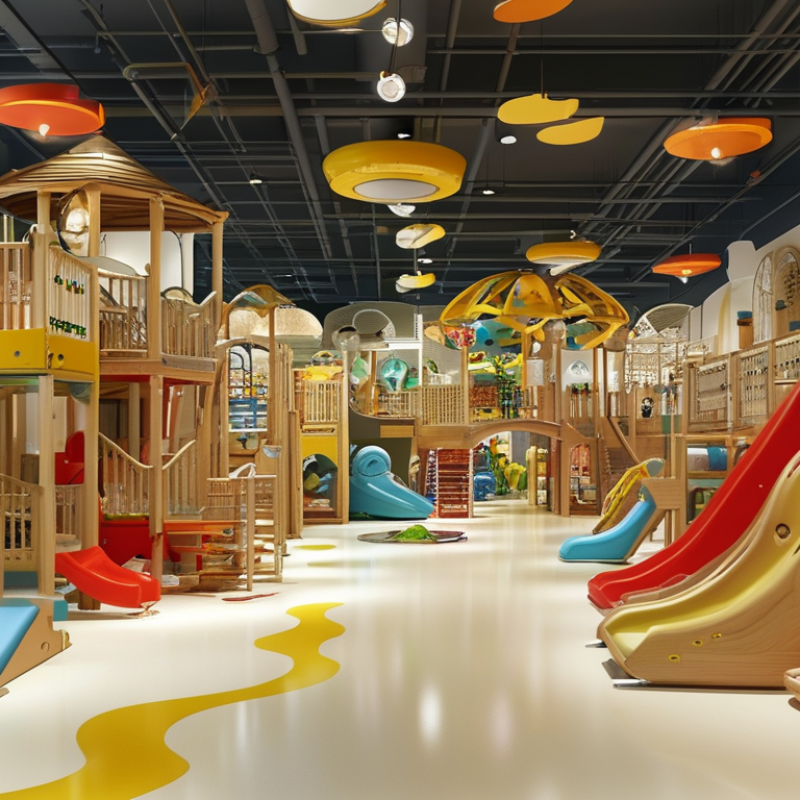
Indoor playground equipment offers a safe haven for children to explore and develop. According to the The American Academy of Pediatrics, active play is vital for physical and emotional health. Engaging with playground structures encourages children to exercise, enhancing their motor skills. These facilities promote social interaction, as children often collaborate and negotiate during play.
Safety is a significant concern for caregivers. The U.S. Consumer Product Safety Commission states that over 200,000 children are treated for playground injuries annually. Investing in quality indoor equipment can mitigate many risks. Properly designed structures minimize hazards, encouraging safe exploration. Materials should be non-toxic, and surfaces should provide ample cushioning to prevent injuries.
Moreover, indoor play areas are adaptable. They can cater to various age groups and abilities. A well-planned layout offers different challenges for children, fostering resilience and confidence. While access to play is essential, not all facilities meet safety standards. Parents and guardians must remain vigilant when selecting locations. Reflecting on the need for continuous improvement in safety measures is crucial. Seeking out certified facilities will ensure a healthier play environment for children.
Safety is a primary concern when selecting indoor playground equipment. The right features can significantly reduce risks. A study by the American Society for Testing and Materials (ASTM) highlights that over 60% of playground injuries are caused by falls. Using soft padding and impact-absorbing materials under play structures is essential. This type of flooring can lower the risk of injury during falls or slips.
Visibility is another key factor. Playgrounds should be designed to allow parents to supervise easily. Equipment with open design and transparent materials can help caregivers keep a watchful eye on children. This design choice not only enhances safety but can also foster a sense of security for both children and parents.
Equipment size and age appropriateness are crucial considerations. Many reports underline that equipment should match the developmental stages of children. Oversized structures can lead to accidents, while under-challenging play can frustrate kids. Regular inspection for wear and tear is vital as well. Safety standards suggest that routine maintenance checks are necessary to ensure equipment remains safe over time.
Creating a safe indoor playground environment requires thoughtful planning and continuous reflection. Using the right safety features can enhance the overall play experience. Yet, many facilities still overlook basic safety guidelines, inviting potential hazards into what should be a fun space.
Indoor playgrounds are crucial for children's development, offering a safe space for physical activity and social interaction. When selecting playground equipment, it's essential to consider age-specific designs. For toddlers aged 1-3, equipment like soft play structures and small slides are ideal. They promote exploration while ensuring safety features, such as rounded edges and soft materials.
Children aged 4-6 benefit from climbing walls and interactive play panels. Research shows that this age group engages in high-energy play, which supports motor skills and coordination. Opt for equipment that fosters imaginative play and creativity. For instance, elements that mimic real-life scenarios can boost cognitive development. It's important to ensure all equipment meets safety guidelines, as the risk of injury increases with more advanced structures.
For older kids, ages 7 and above, challenging equipment like obstacle courses or zip lines can keep them engaged. These structures promote teamwork and confidence. However, improper installation or lack of supervision can lead to accidents. Regular maintenance checks are necessary to ensure safety. Balancing fun and safety is key in creating an enjoyable environment that fosters a love for physical activity.
| Equipment Type | Recommended Age Group | Safety Features | Fun Factor |
|---|---|---|---|
| Indoor Climbing Wall | 5-12 years | Soft padding, safety harness | High |
| Ball Pit | 1-6 years | Non-toxic balls, soft edges | Medium |
| Slide | 3-10 years | Preventive barriers, smooth surface | High |
| Swing Set | 2-8 years | Soft ground, secure attachments | Medium |
| Play Structure | 5-12 years | Enclosed areas, soft materials | High |
When choosing indoor playground equipment, material selection is crucial. Durable materials enhance safety and longevity. For instance, soft materials like foam reduce injury risks during play. However, they may wear out faster than harder surfaces. Parents should balance comfort with durability when selecting options.
Plastic is another popular choice. It's lightweight and easy to clean, making it suitable for busy environments. However, not all plastics are created equal. Some may not withstand heavy use. Look for high-density polyethylene or similar materials. They offer strength while remaining safe for children.
Lastly, consider the maintenance aspects of your chosen materials. Regular inspections are vital. Scratches and dents can hide potential hazards. Even sturdy materials need care and attention. Ensuring everything is in good shape reflects a commitment to safety. Materials may require periodic replacement to maintain a safe play environment.
Creating an engaging indoor playground involves thoughtful layout design. Popular layouts often include multi-level structures, obstacle courses, and themed play areas. Each zone should encourage movement and exploration. Open spaces allow for social interaction, while smaller areas provide cozy spots for quieter play. Think about incorporating soft climbing structures. These can spark imaginative play, but they also need constant supervision to ensure safety.
Colorful, vibrant themes can capture children's attention, making them eager to explore. A balance between high-energy equipment and calming zones is crucial. While slides and climbing walls promote active play, quiet corners with books or sensory activities provide much-needed downtime. Consider the flow of the playground; long queues can frustrate kids. Arranging paths carefully minimizes bottlenecks. Reflecting on these designs can improve engagement, though not every choice will suit every age group.
Safety is paramount. Ensure equipment is age-appropriate and well-constructed. Regular maintenance checks are essential for preventing accidents. Parents often worry about injuries, so transparent safety protocols build trust. Providing a clear layout plan helps guide families on accessible areas. Balancing fun and safety might pose challenges, but the rewards are valuable. Engaging children safely cultivates their confidence and encourages outdoor activity later.
How can we help you?
Call to 0034 943884600 Contact usWe use cookies to ensure that we give you the best experience on our website. If you continue without changing your settings, we'll assume that you agree to receive cookies on the HINE website. For more information read our cookie policy page, click the link for more information.plugin cookies
ACEPTAR