

The demand for efficiency in industrial automation has fostered advancements in technology. One such development is the Intelligent PID Series Electric Actuators, essential in various applications. According to Dr. Jane Smith, a recognized expert in automation technology, “Intelligent PID Series Electric Actuators redefine precision and control in modern systems.”
These actuators utilize advanced PID control algorithms to enhance performance. They provide real-time adjustments, ensuring optimal operation across diverse environments. Industries ranging from manufacturing to energy are adopting these solutions. Their ability to maintain consistent performance minimizes waste and enhances productivity. However, improper calibration or setup can lead to inefficiencies, highlighting the need for skilled technicians.
The benefits of Intelligent PID Series Electric Actuators are significant but come with challenges. Users must understand their intricacies. Knowledge gaps can result in underutilization of the technology's full potential. As industries embrace these actuators, ongoing education and training will be crucial for maximizing their benefits.
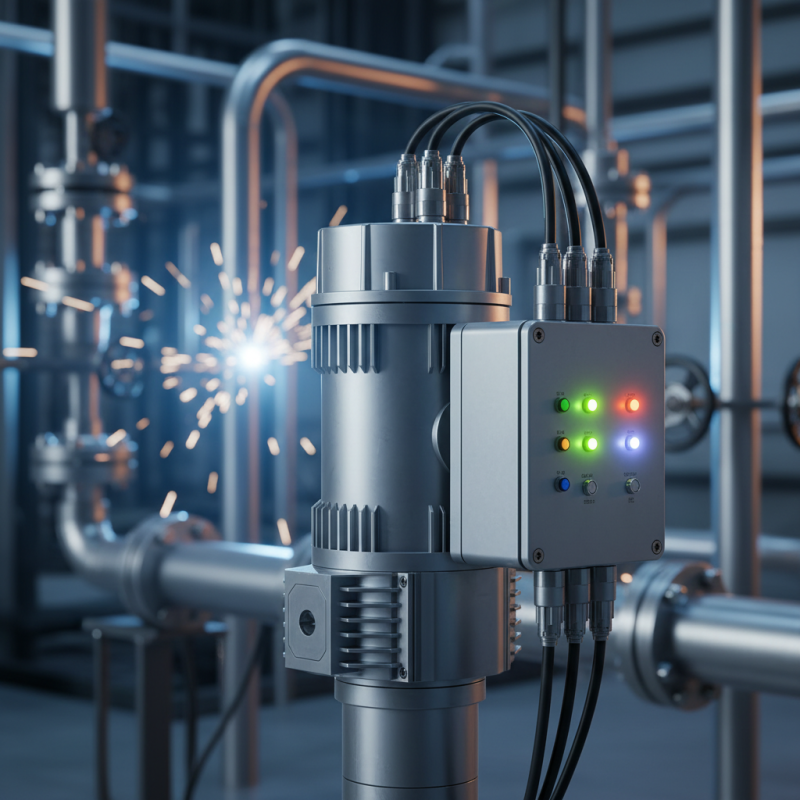
Intelligent PID series electric actuators are sophisticated devices designed for precise control in automation systems. They use advanced algorithms to maintain desired setpoints in processes such as temperature, pressure, or fluid flow. This functionality is critical in industries where accuracy is paramount.
One notable feature of these actuators is their ability to learn and adapt over time. They process real-time data to adjust their behavior, ensuring optimal performance. For instance, they can self-tune to changing system conditions, which enhances efficiency. However, the complexity involved in configuring these systems can pose challenges. Users may sometimes struggle to fully implement their capabilities.
These actuators reduce energy costs and improve system responsiveness. Additionally, they can facilitate remote monitoring and control. While they present significant advantages, one should consider the technical expertise required for deployment. Ignoring training can lead to underutilization, diminishing potential benefits.
Intelligent PID electric actuators are becoming essential in various industries, enhancing automation and control processes. At the heart of these actuators are key components such as the PID controller, feedback mechanisms, and precise motors. According to a report by Transparency Market Research, the global market for electric actuators is projected to reach $30 billion by 2025. This growth is largely driven by advancements in technology and the rising demand for automation.
The PID controller allows for accurate and efficient regulation of processes. Its capability to minimize error ensures that systems operate within desired parameters. Feedback mechanisms, often involving sensors, provide real-time data. This data is crucial for making adjustments. The integration of smart sensors further exemplifies the trend towards smarter components. Despite these advancements, challenges remain. Many systems still struggle with calibration and integration, leading to potential inefficiencies.
Increased reliability is one of the biggest benefits of intelligent PID electric actuators. They reduce downtime, which can significantly impact productivity. However, the initial cost of implementation can be daunting. Industry experts suggest that companies weigh the long-term benefits against initial investments. While technology in this field continues to evolve, understanding its intricacies is vital for success.
Intelligent PID electric actuators have become essential in various industries, enhancing automation and control processes. In manufacturing, for example, these actuators optimize system performance and reduce energy consumption. According to a recent report from the International Society of Automation, they can improve process efficiency by up to 20%. This efficiency boost can lead to significant cost savings and less waste.
The use of intelligent PID actuators extends to the energy sector as well. They play a vital role in regulating flow rates and maintaining optimal operating conditions in power plants. With the ongoing push for sustainability, the energy industry can achieve lower emissions. Reports suggest that implementing these systems can contribute to a 15%-30% reduction in energy usage in large installations. However, the integration of such technology requires a thorough understanding and expertise, which some teams may lack initially.
In water treatment facilities, intelligent PID actuators help maintain precise chemical dosing. This leads to better water quality and regulatory compliance. However, these systems may also encounter challenges, such as sensor calibration and data integration issues. Overcoming these obstacles necessitates continuous training and knowledge-sharing among staff. Investing in these capabilities is crucial for fully realizing the potential benefits of intelligent PID electric actuators.
Intelligent PID electric actuators play a vital role in modern automation systems. These devices integrate advanced control algorithms, allowing for precise movement and positioning. They respond quickly to changes in system demands, ensuring consistent performance. The use of PID (Proportional-Integral-Derivative) control means these actuators can reduce overshoot and maintain stability in dynamic environments.
One of their key benefits is enhanced energy efficiency. By optimizing control actions, these actuators minimize unnecessary energy consumption. This can lead to cost savings over time and contribute to environmental sustainability. Additionally, their self-tuning capabilities allow for adjustments based on real-time data. This adaptability may make setup and maintenance easier for some users, though it requires regular monitoring to ensure optimal performance.
Another advantage is their versatility. They can be utilized in various applications, from HVAC systems to manufacturing processes. However, the complexity of setup might deter some less experienced users. It's crucial to invest time in understanding the system integration. While these actuators offer significant benefits, potential users should evaluate their specific needs and operational contexts.
| Feature | Description | Benefits |
|---|---|---|
| Precision Control | Utilizes advanced PID control algorithms for accurate positioning. | Increases process efficiency and reduces overshoot. |
| Real-time Monitoring | Integrated sensors for continuous performance tracking. | Allows for proactive maintenance and minimized downtime. |
| Automation Compatibility | Seamlessly integrates with various automation systems and protocols. | Enhances interoperability across different industrial setups. |
| Energy Efficiency | Optimized power consumption through intelligent algorithms. | Reduces operational costs and environmental impact. |
| User-friendly Interface | Simple graphical displays and easy configuration. | Accelerates setup and reduces training time for operators. |
Intelligent PID series electric actuators represent a significant advancement in automation technology. The performance metrics of these devices demonstrate impressive efficiency in controlling systems. Their precision and responsiveness lead to improved operational outcomes, particularly in industries such as manufacturing and energy.
These actuators utilize advanced algorithms to maintain optimal performance. They continuously monitor system variables and adjust accordingly. This dynamic response enhances efficiency, but it requires consistent calibration. Regular checks are vital to sustain accuracy and performance over time. Inaccurate settings may lead to reduced efficacy.
Tips:
How can we help you?
Call to 0034 943884600 Contact usWe use cookies to ensure that we give you the best experience on our website. If you continue without changing your settings, we'll assume that you agree to receive cookies on the HINE website. For more information read our cookie policy page, click the link for more information.plugin cookies
ACEPTAR