

In the ever-evolving tech landscape, understanding the nuances of an Industrial PC is vital. Dr. Emily Chen, an expert in industrial computing, highlights this need: "Selecting the right Industrial PC can define operational success." With various options available, buyers must grasp key features to make informed choices.
Industrial PCs are designed for rigorous environments. They offer durability, scalability, and reliability. Buyers should consider factors such as processing power, temperature tolerance, and I/O capabilities. The decision is not just technical; it's about aligning with specific operational demands.
As industries strive for enhanced productivity, an Industrial PC can significantly impact. Yet, there is much to ponder. How do cooling systems affect performance? What unseen challenges arise in integration? A thoughtful approach can lead to better long-term investments and operational efficiency.
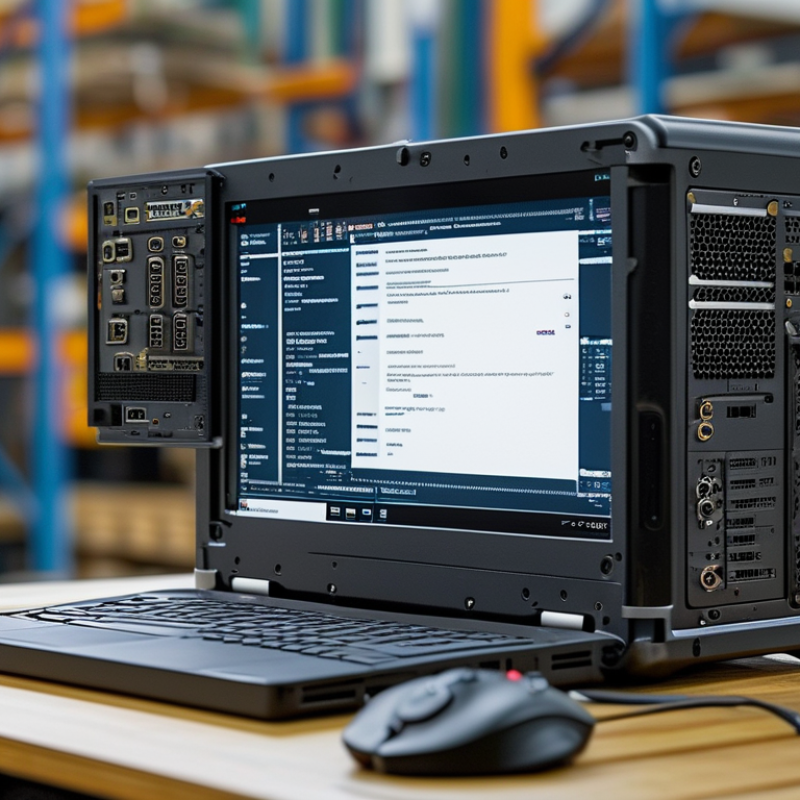
When selecting an industrial PC, performance metrics play a crucial role. One key metric is the processing power. Industrial PCs should have robust CPUs to handle demanding tasks. Look for multi-core processors. They improve multitasking efficiency and speed.
Another important factor is reliability. An industrial PC operates in harsh environments. Therefore, it needs to withstand extreme temperatures and vibrations. Check for specifications that highlight resilience. In addition, consider power consumption. Efficient PCs can reduce operational costs over time.
Storage options are vital too. Solid State Drives (SSDs) offer faster data access compared to traditional Hard Disk Drives (HDDs). This can significantly enhance performance in data-heavy applications. Additionally, assess the expansion capabilities. The ability to upgrade hardware is essential for future needs. Balancing these metrics ensures you select a reliable and effective industrial PC for your operations.
When it comes to industrial environments, durability is paramount. Essential standards exist to ensure that industrial PCs can withstand harsh conditions. These standards include IP ratings, which indicate dust and water resistance. For instance, an IP67 rating means the device is completely dust-tight and can endure being submerged in water up to one meter.
Another key factor is temperature resistance. Many industrial PCs must operate in environments ranging from -20°C to 60°C. Reports indicate that computers designed for such extreme conditions outperform standard models in reliability and lifespan. In fact, using equipment that meets IEC 60068 standards ensures resistance to shock and vibration, both common in industrial settings.
It's critical to recognize that not every device will meet these rigorous demands. Regular testing and certification can often fall short. Many devices claim high durability but lack independent verification. Ensuring compliance with established standards is essential for long-term productivity. Proper selection of industrial PCs that can withstand environmental stress will ultimately save companies money and resources.
Connectivity is a critical aspect of industrial PCs. Enhanced connectivity options can significantly improve efficiency in industrial applications. According to a report by Research and Markets, the global industrial PC market is projected to reach $11.5 billion by 2026, driven by advancements in IoT and automation. This growth emphasizes the need for robust connectivity solutions.
Industrial PCs often include various ports such as USB, Ethernet, and serial interfaces. Reliable connectivity is essential for real-time data transfer and communication between devices. The integration of wireless technologies, like Wi-Fi and Bluetooth, expands connectivity options, aiding in remote monitoring and control. Enhanced connectivity leads to better system integration and improved operational efficiency.
**Tips: Use diverse connectivity options.** Ensure your industrial PC supports the latest standards. This allows compatibility with emerging technologies. Reliability is paramount; opt for devices with fail-safe connectivity features. Regularly assess your connectivity needs; they may evolve over time. Adapting to these changes can optimize your industrial processes.
When considering industrial PCs, customization is vital for aligning with specific industry demands. According to a report by MarketsandMarkets, the global industrial PC market is expected to grow significantly, driven by the need for tailored solutions across sectors. Businesses often seek features like enhanced connectivity options and rugged designs. These allow for optimal performance in challenging environments.
Customization options expand the potential applications of industrial PCs. For example, industries like manufacturing and healthcare often require unique configurations. This includes specialized software integration and robust data security measures. The report highlights that 55% of businesses prioritize customizable hardware when selecting industrial computing solutions. However, achieving this customization can be complex. Companies must balance their needs with budget constraints and potential support challenges.
Additionally, scalability remains a crucial factor in customization. Industrial PCs should evolve with changing requirements. When businesses opt for flexible expandability, they can adapt to new technologies without overhauling their systems. A study by IDC notes that organizations investing in scalable industrial PCs see a 30% increase in overall productivity. While customization offers numerous advantages, it also demands careful planning and ongoing evaluation to ensure alignment with long-term goals.
Power management solutions are crucial in the realm of industrial PCs. Efficient systems not only reduce energy consumption but also enhance reliability. Proper power management prevents overheating and prolongs the lifespan of critical components. Implementing features such as intelligent power distribution can significantly impact overall system performance.
Another essential aspect is the integration of uninterruptible power supplies (UPS). UPS systems ensure that data is not lost during power outages. They provide backup power, maintaining operations in critical scenarios. This feature is particularly vital in factories where downtime can lead to significant financial losses.
Moreover, energy monitoring tools can provide valuable insights. These tools help track consumption patterns and identify areas for improvement. While many organizations focus solely on performance, overlooking energy efficiency can lead to higher operational costs. Balancing efficiency and reliability is a challenge that requires continuous assessment and adaptation.
How can we help you?
Call to 0034 943884600 Contact usWe use cookies to ensure that we give you the best experience on our website. If you continue without changing your settings, we'll assume that you agree to receive cookies on the HINE website. For more information read our cookie policy page, click the link for more information.plugin cookies
ACEPTAR