

What Is a Laboratory Coating Machine and How Does It Work?

In the fast-evolving pharmaceutical and biomedical sectors, the role of a Laboratory Coating Machine has become vital. This specialized equipment allows for precise application of coatings on various substrates, improving drug delivery and device functionality. According to a recent report by MarketsandMarkets, the global laboratory equipment market, including coating machines, is projected to reach USD 44.5 billion by 2025, highlighting significant growth trends.

Dr. Emily Johnson, a leading expert in coating technologies, stated, "The Laboratory Coating Machine is integral to innovation in drug formulation." This reflects how such machines not only enhance product quality but also facilitate research breakthroughs. However, challenges still exist. Many laboratories struggle with optimizing coating processes due to variability in materials and environmental conditions.

Scientific advancements demand equipment that ensures consistency and accuracy. As we explore the intricacies of Laboratory Coating Machines, it is crucial to consider both their potential and limitations. This insight will play a key role in guiding future innovations.
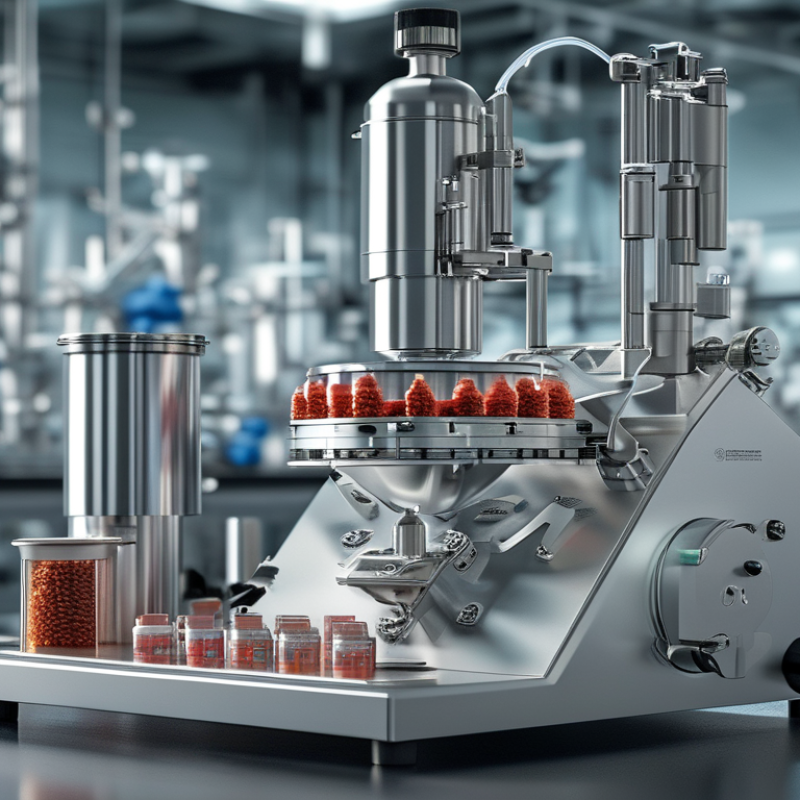
What Is a Laboratory Coating Machine and How Does It Work?

What Is a Laboratory Coating Machine: Definition and Purpose

A laboratory coating machine is an essential tool in various scientific fields. Its primary purpose is to apply thin, even layers of material onto a substrate. This process can be crucial in research and development. The machine typically uses techniques like spray coating, dip coating, or spin coating. Each method offers different benefits depending on the application's requirements.

Proper calibration and maintenance play a significant role in achieving consistent results. It's important to monitor parameters such as temperature, pressure, and coating speed. An inconsistency can lead to unexpected outcomes, which may hinder experiments. Regular checks and adjustments can help mitigate this.

For effective use, consider the type of coating material. Different substances react uniquely under various conditions. It's essential to conduct small test runs before full-scale applications. This can help identify potential issues and ensure materials adhere properly. Having a well-structured protocol can streamline the process and improve reliability. Adjustments may be needed along the way as experiments progress, making flexibility a key component in laboratory work.

Laboratory Coating Machine Usage Statistics

Types of Laboratory Coating Machines: Overview of Common Variants

Laboratory coating machines come in various types, each serving unique functions and applications. The most common variants include film coaters, pan coaters, and spray coaters. Film coaters apply a thin layer of material to substrates. They are widely used in pharmaceuticals and food industries for coating tablets and candies. Their precise control allows for a uniform application, crucial for product quality.

Pan coaters operate using a rotating drum. They create a smooth coating on tablets or pills, where the product tumbles as the coating ingredient is applied. This method is popular in the pharmaceutical field due to its efficiency and reliability. Spray coaters, on the other hand, use a spray nozzle to evenly distribute the coating solution. This type is suitable for larger batches and provides versatility in coating thickness.

Despite their advantages, laboratory coating machines can have drawbacks. Regular maintenance is essential to avoid breakdowns. The learning curve for operators can also pose challenges. Proper training is necessary to ensure consistent results. Reflecting on these factors can help improve operational efficiency and product reliability in the long run.

How Laboratory Coating Machines Operate: Key Processes and Mechanisms

Laboratory coating machines are vital in various research and manufacturing settings. They apply thin layers of materials to substrates with precision. The key processes in these machines include material preparation, application, and curing.

In the material preparation stage, the coating substance must be mixed thoroughly. This ensures a uniform consistency. The application process can vary, using spray, dip, or roll techniques. Each method affects the coating's thickness and adhesion properties. Once applied, curing is necessary to solidify the coating. This can involve heat or UV light, depending on the material used.

When working with coating machines, pay attention to environmental factors. Humidity and temperature can significantly impact the coating quality. Clean the machine regularly to avoid contamination. Regular maintenance extends the machine's lifespan and ensures consistent results. Calibration is crucial too; even slight inaccuracies can lead to application errors. Use reliable measuring tools to enhance precision.

What Is a Laboratory Coating Machine and How Does It Work?

Feature Description
Machine Type Auto Coater, Manual Coater
Coating Process Spraying, Dipping, Rolling
Common Applications Pharmaceuticals, Food Technology, Electronics
Key Components Spray Guns, Coating Chambers, Drying Systems
Advantages Uniform Coating, Scalability, Precision
Disadvantages Equipment Cost, Maintenance, Operator Training
Operating Temperature 20°C to 60°C (varies by application)
Average Cycle Time 5 to 30 Minutes (based on process)

Industry Applications of Laboratory Coating Machines and Their Benefits

Laboratory coating machines have gained prominence in various industries due to their precision and efficiency. These machines play a crucial role in sectors like pharmaceuticals, electronics, and food packaging. According to a 2022 market research report, the laboratory coating machine market has expanded by approximately 10% annually, driven by the growing demand for high-quality coating processes.

In the pharmaceutical industry, these machines are used for film coating tablets and capsules. A precise coating ensures medication efficacy and stability. In electronics, laboratory coating machines provide protective layers for components. This reduces the risk of environmental damage and enhances product longevity. The food packaging sector also benefits; coatings improve barrier properties, prolong shelf life, and maintain freshness.

Despite their benefits, challenges persist. Many labs face issues with uniformity and consistency in coatings. Variability can affect product quality. Training and adapting to evolving technologies require investment and time. Continuous research is critical for addressing these shortcomings and improving coating methods. Data shows that labs actively investing in training experience fewer quality control issues, indicating a need for ongoing development.

Performance Metrics: Evaluating the Efficiency of Coating Machines in Labs

Evaluating the efficiency of laboratory coating machines involves multiple performance metrics. These metrics include coating uniformity, thickness consistency, and process speed. Uniformity is crucial; it directly affects the quality of the final product. Researchers should look for machines that ensure even coverage across various substrates.

Another important aspect is thickness consistency. This factor determines how well the coating adheres to its intended surface. Variability can lead to critical failures in product performance. A reliable machine should produce coatings within specified thickness ranges, reducing the need for additional processes.

Process speed is also essential. High-throughput machines save time, but speed should not compromise quality. A balance must be struck between efficiency and an acceptable error rate. Machine calibration and operator training play key roles in achieving optimal performance. Regular assessments can highlight areas needing improvement, ensuring that the machine meets laboratory standards.

Choose a global leader for your hydraulics solutions

How can we help you?

Call to 0034 943884600 Contact us
Call us Contact us

We use cookies to ensure that we give you the best experience on our website. If you continue without changing your settings, we'll assume that you agree to receive cookies on the HINE website. For more information read our cookie policy page, click the link for more information.plugin cookies

ACEPTAR
Aviso de cookies