Top Solar Cell Cassette Suppliers for Global Buyers?
Choosing reliable Solar Cell Cassette suppliers requires more than comparing prices or browsing polished product pages. Global buyers must examine cassette dimensions, wafer compatibility, thermal stability, loading capacity, and documented quality controls. A cassette may appear sturdy in a catalog, yet fail under repeated handling, vibration, or high-temperature production conditions. Small details matter, including slot spacing, edge protection, surface cleanliness, and traceable material specifications.
Dr. Martin A. Green, a leading photovoltaics researcher, has emphasized, “The sun provides more energy than humanity could ever use.” His observation highlights the scale of solar manufacturing, but scale also creates pressure for dependable equipment. Suppliers serving international buyers should provide clear drawings, inspection records, sample testing, and responsive technical support. They should also explain packaging methods for long-distance transport. A damaged cassette can interrupt an entire production schedule.
Experience from manufacturing teams shows that the cheapest quotation is not always the lowest-cost choice. Replacement delays, wafer scratches, and inconsistent fit can become expensive. Still, supplier evaluations are rarely perfect. Product information may be incomplete, and buyer requirements often change during qualification. That uncertainty deserves attention. The strongest suppliers communicate limitations honestly and support controlled trials before large orders. This guide examines leading Solar Cell Cassette suppliers through practical criteria, including product reliability, customization capability, certifications, delivery performance, and after-sales service. Its aim is simple: help global buyers make careful, evidence-based decisions.
What Solar Cell Cassettes Are and Why They Matter
Top Solar Cell Cassette Suppliers for Global Buyers
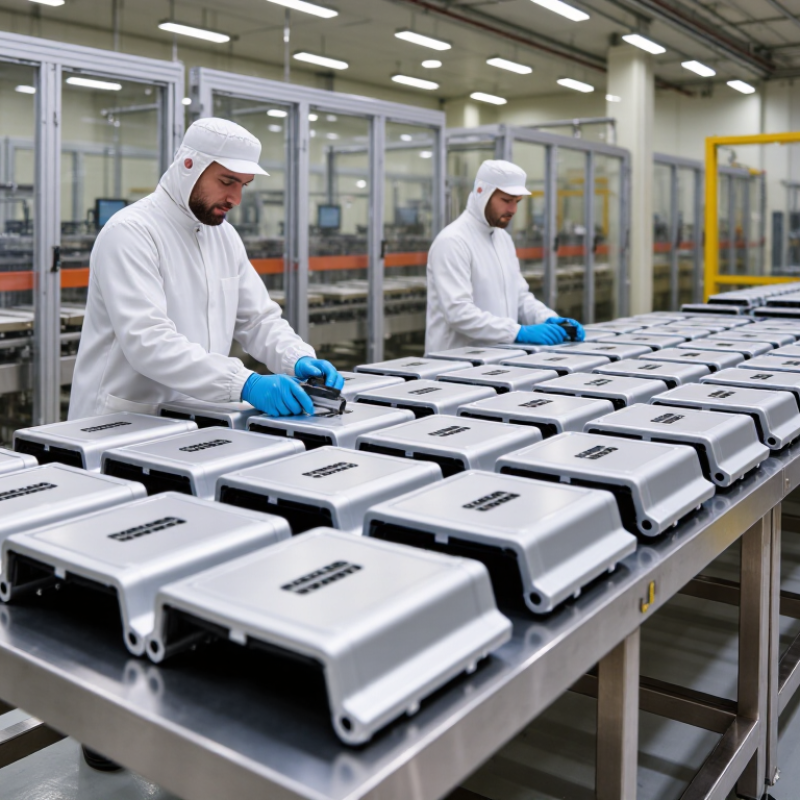
Solar cell cassettes are precision carriers for wafers and finished cells. They support loading, transfer, temporary storage, and automated handling. Their slots keep fragile surfaces separated. This reduces scratches, edge chips, contamination, and alignment errors.
The need is growing with factory scale. IEA PVPS Trends 2024 reported more than 400 GW of new photovoltaic capacity in 2023. That volume increases pressure on every handling step. The 2024 International Technology Roadmap for Photovoltaic (ITRPV) also describes thinner wafers and larger cell formats. These changes make slot accuracy, low-particle materials, and gentle contact increasingly important. A cassette that worked for older dimensions may create jams today. That risk is easy to underestimate.
Tips: Check slot pitch, wafer compatibility, chemical resistance, thermal stability, and cleaning procedures. Ask suppliers for dimensional inspection records and particle-test results. Run a sample trial with real wafers before approving volume orders. In production, inspect worn slots under strong side lighting. Small burrs can become expensive defects. I would not choose only by unit price. A cheaper cassette may increase breakage, downtime, and manual intervention. Still, no design is perfect; cleaning, transport, and operator habits can weaken performance over time. Therefore, supplier documentation should be tested against actual factory conditions, not accepted blindly.
Top Solar Cell Cassette Suppliers for Global Buyers? — What Solar Cell Cassettes Are and Why They Matter
Solar cell cassettes are handling and storage carriers used to protect cells during wafer processing, inspection, transport, and production-line loading. Cassette compatibility is closely linked to the cell format, so buyers should confirm internal dimensions, slot spacing, material resistance, cleanliness, and automation compatibility before selecting a supplier.
The chart compares common square crystalline-silicon cell formats. Cell areas are calculated from the nominal edge length: area = edge length². Actual cassette dimensions and slot capacity vary by equipment design and should be verified with the manufacturer.
Key Features of Reliable Solar Cell Cassettes
Top Solar Cell Cassette Suppliers for Global Buyers
Key Features of Reliable Solar Cell Cassettes
Reliable solar cell cassettes protect fragile wafers during loading, coating, transport, and unloading. Their slots should hold each cell firmly without creating pressure marks. Precise spacing also supports stable robotic handling. A small design flaw matters.
In production audits, I examine slot width, cassette flatness, and material wear. High-quality cassettes often use chemically resistant materials that tolerate cleaning agents and repeated thermal cycles. Their structure must remain stable near elevated process temperatures. Warping can cause alignment errors, surface scratches, or sudden equipment stops.
Clean manufacturing is equally important. Dust, loose particles, and rough edges can reduce yield. Suppliers should provide inspection records, dimensional reports, and clear material information. Traceable batches make recurring problems easier to investigate. Protective packaging also matters during international shipping. One crushed corner can damage several cassettes.
Global buyers should request samples before approving large orders. Test them with actual cells, robots, and process temperatures. Check whether the cassette fits existing carriers and storage systems. Custom dimensions may improve performance, but they can increase replacement costs. That trade-off deserves honest review.
No cassette is perfect. Even durable designs need regular inspection. A practical supplier responds quickly, explains limitations, and supports controlled improvements instead of promising unrealistic results.
How to Evaluate Solar Cell Cassette Suppliers
Top Solar Cell Cassette Suppliers for Global Buyers
Evaluating solar cell cassette suppliers requires more than comparing prices. Inspect the cassette’s dimensions, edge finish, loading capacity, and material resistance. In production areas, even a small burr can scratch wafers or create particle risks. Ask for drawings, inspection records, and batch traceability before approving samples. A reliable supplier should explain its cleaning process and tolerance controls clearly.
Factory experience matters. Request evidence from similar high-volume applications, not only attractive product photos. Check whether the supplier can maintain stable quality across repeated orders and different shipping destinations. Review lead times, packaging methods, replacement procedures, and technical support. During an audit, observe how workers measure flatness and handle finished cassettes. A polished sample proves little. I have seen good prototypes followed by inconsistent production, so verification must continue.
Tips: Compare at least three suppliers using the same checklist. Test samples under real loading, cleaning, and temperature conditions. Confirm material certificates and quality reports with the manufacturing team. Ask difficult questions early. Silence is information. Do not ignore small delays or unclear answers; they may signal weak process control. Also, leave room for improvement. Your first specification may be too general, especially when cassette geometry changes between cell lines.
Leading Supplier Regions and Global Purchasing Options
Global buyers should map solar cell cassette sourcing to regional manufacturing capacity. The IEA PVPS Trends 2024 report estimated approximately 447 GW of new photovoltaic capacity in 2023. China supplied most global module manufacturing capacity, while Southeast Asia expanded as an export-oriented production base. These regions offer broad cassette choices, shorter tooling cycles, and competitive molded-polymer pricing.
Europe remains important for specialized equipment integration and local technical support. India is also building a stronger domestic solar manufacturing chain, supported by industrial policy and new cell production projects. Buyers can compare direct factory purchasing, regional distributors, and equipment-integrator packages. Direct purchasing may reduce unit costs. Local distribution can simplify spare parts, customs handling, and urgent replacement orders.
Performance depends on details. A cassette should match wafer dimensions, slot pitch, loading weight, and robotic handling requirements. The International Technology Roadmap for Photovoltaic manufacturing continues to emphasize thinner wafers and tighter process control, increasing the need for stable cassette geometry. Ask suppliers for dimensional inspection records, material certificates, cleanroom controls, and sample testing before volume orders. A low quote can mislead. I would also verify warpage after repeated thermal cycles, because laboratory samples rarely show long-term handling stress. Mistakes happen. A practical purchasing plan includes pilot quantities, packaging checks, traceable batch codes, and delivery terms that clearly assign damage responsibility.
Quality, Compliance, Pricing, and Delivery Considerations
Top Solar Cell Cassette Suppliers for Global Buyers?
Quality begins with process evidence, not polished samples. The IEA PVPS Trends 2024 report recorded approximately 456 GW of new photovoltaic capacity in 2023. That scale increases pressure on cassette reliability, cleanliness, and replacement speed. Buyers should request dimensional inspection records, thermal-cycle results, particle-shedding data, and loading tests using actual cell formats. Small warping can create contact marks, handling jams, or hidden microcracks.
Compliance needs equal attention. Suppliers should provide material declarations, safety data, lot traceability, and documentation aligned with RoHS and REACH where applicable. ISO 9001 certification supports consistency, but it does not replace process audits. Ask how rejected units are isolated and how corrective actions are verified. ITRPV reports continue to show rapid changes in wafer thickness and cell architectures, so a cassette designed for one generation may age quickly. That detail is often missed.
Pricing should include the total operating cost. A lower unit price can become expensive through breakage, cleaning labor, line stoppages, and urgent freight. Compare tooling charges, minimum order quantities, spare-part availability, and packaging protection. Delivery promises require evidence: production capacity, inspection lead time, export documents, and a realistic buffer for customs. The 2024 World Bank Logistics Performance Index shows uneven logistics performance across markets, making contingency planning practical. Perfect forecasts are unrealistic. A pilot shipment, measured after repeated production cycles, offers stronger evidence than a confident quotation.