

What is Nylon Cable Gland and Why Do You Need It?

In the world of electrical installations, the Nylon Cable Gland is indispensable. This essential component ensures that cables are securely held in place while providing protection against moisture and dust. Industry expert David Matthews, a renowned engineer with over 15 years of experience, states, “A reliable cable gland can make or break the integrity of an installation.” His insights highlight the importance of quality in these products.

Nylon Cable Glands are widely used across various sectors, from telecommunications to industrial applications. Their durability and versatility make them suitable for numerous environments. However, not all Nylon Cable Glands are created equal. Some may not withstand extreme conditions, leading to potential risks. Choosing the right type is crucial for safety and performance.

When selecting a Nylon Cable Gland, consider the application’s specific requirements. It’s not just about fitting cables; it’s about ensuring long-lasting protection. A thoughtless choice could compromise safety standards or lead to costly failures. Taking time to understand each option can lead to better, safer installations.
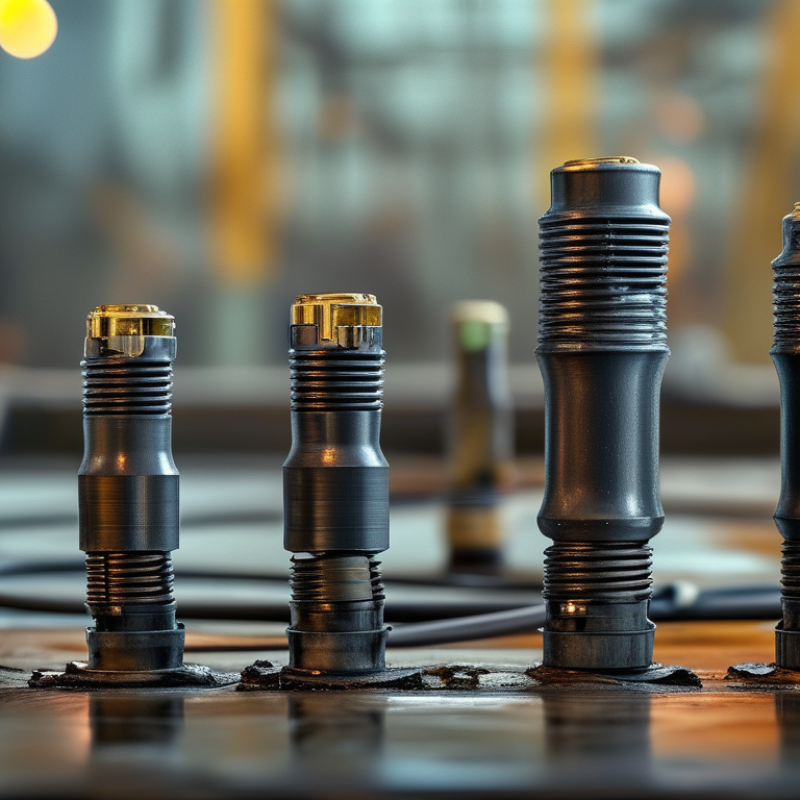
What is Nylon Cable Gland and Why Do You Need It?

Understanding Nylon Cable Gland: Definition and Purpose

A nylon cable gland serves as a crucial component in electrical installations. It offers mechanical support and seals for cables entering electrical enclosures. This prevents dust and moisture from penetrating, thus extending the lifespan of equipment. According to a market research report, the global cable gland market size was valued at over $2 billion in 2021, indicating its vital role across industries.

Understanding the definition and purpose of a nylon cable gland is essential for anyone working with electrical systems. Specifically, it facilitates strain relief and protects against environmental factors. The chemical resistance of nylon makes it ideal for outdoor applications. Many industries rely on these components for safety and functionality in devices.

Tip: When selecting a nylon cable gland, consider the environmental conditions it will face. For example, high humidity levels require a gland with superior sealing capabilities. It's essential to match the gland's IP rating with the application's needs. Remember, a poorly chosen gland might lead to costly equipment failures.

Tip: Regular inspections can help detect wear in cable glands. Look for signs of cracking or brittleness in the nylon material. Early detection can prevent serious issues. Always prioritize quality in these components to avoid potential hazards.

Key Features of Nylon Cable Glands for Electrical Applications

Nylon cable glands play a crucial role in electrical applications. They provide mechanical support and sealing for cables entering equipment. These glands help protect connections from dust, moisture, and other environmental factors. Their durability ensures long-lasting performance, which is essential in harsh conditions.

One key feature is the ability to withstand extreme temperatures. Nylon can handle a wide temperature range, providing reliable performance in various settings. Another advantage is their chemical resistance. Nylon cable glands resist corrosion from oils and solvents, maintaining integrity for longer. Additionally, these glands are lightweight and easy to install, making them favorable for many designs.

However, not all applications may benefit from nylon’s properties. In some high-stress scenarios, other materials might be more effective. It's important to assess the specific needs of your project. Ensuring the right choice can enhance overall performance. Balancing durability with flexibility is essential in selecting the best cable gland for your needs.

The Importance of Nylon Cable Glands in Environmental Protection

Nylon cable glands play a vital role in environmental protection. They are designed to ensure that cables remain secure and protected from external elements. This is crucial in industries where equipment is exposed to harsh conditions. A well-installed cable gland prevents moisture, dust, and chemicals from causing damage. They work silently but powerfully, maintaining the integrity of electrical connections.

In terms of practical application, nylon cable glands are lightweight yet durable. Their resistance to corrosion makes them ideal for outdoor use. Without proper sealing, environments can deteriorate equipment faster than expected. This leads to costly repairs and downtime. Yet, many overlook their significance. A small oversight today can lead to major problems tomorrow.

Investing in quality cable glands is an often underestimated step in environmental safeguards. It is easy to assume all products offer similar protection. However, not all nylon cable glands perform equally. Poor quality products can fail, allowing contaminants to enter. This risk is something industries must evaluate carefully. Environmental responsibility starts with seemingly minor components, influencing long-term sustainability.

Installation Process and Best Practices for Nylon Cable Glands

Nylon cable glands serve a crucial role in electrical installations. Their primary function is to secure cables while providing environmental protection. When installation time comes, proper procedures ensure durability and safety.

Begin by selecting the right size of a nylon cable gland for your cable. Too tight or too loose can lead to issues. Once you have the correct fitting, strip the cable insulation carefully. Make sure to avoid cutting into the copper wires. Then, insert the cable through the gland into the enclosure. Tighten the gland to create a firm seal without over-torquing, which could damage the components.

Pay close attention to the environmental factors, such as temperature and moisture. Nylon glands work well in many conditions but are not perfect. They may not be suitable for extreme highs or lows. Regular checks will help identify any wear or faults. These checks ensure that the installation remains reliable over time. By practicing these methods, you can enhance the longevity of your electrical setups.

What is Nylon Cable Gland and Why Do You Need It?

Feature Description Benefits
Material Nylon Durable and resistant to corrosion
Ingress Protection IP68 rated Provides excellent dust and water protection
Temperature Range -40°C to 100°C Suitable for various environments
Installation Type Threaded or Snap-fit Easy to install and secure connection
Common Applications Electrical and electronic equipment Versatile usage in different sectors

Common Applications and Industries Utilizing Nylon Cable Glands

Nylon cable glands are crucial components in numerous applications. They protect cables from environmental factors like moisture and dust. This makes them popular in outdoor settings. The automotive and telecommunications industries often utilize these durable fittings. Their ability to provide strong insulation and prevent corrosion ensures reliability in various conditions.

Manufacturing sectors also commonly use nylon cable glands. They safeguard connections in heavy machinery and automated systems. This helps maintain optimal performance and safety. Moreover, with the rise of renewable energy, these components are vital in solar and wind energy systems. They ensure efficient energy transfer and protection against the elements.

A challenge arises when selecting the right nylon cable glands. Different environments require specific types. Not every gland fits every application. It's essential for professionals to assess environmental conditions. Some users may overlook the importance of correct sizing. This can lead to installation issues or performance failures. Awareness of these factors can improve system reliability and longevity.

Nylon Cable Gland Applications by Industry

Choose a global leader for your hydraulics solutions

How can we help you?

Call to 0034 943884600 Contact us
Call us Contact us

We use cookies to ensure that we give you the best experience on our website. If you continue without changing your settings, we'll assume that you agree to receive cookies on the HINE website. For more information read our cookie policy page, click the link for more information.plugin cookies

ACEPTAR
Aviso de cookies