

2026 How to Optimize Reaction Injection Molding for Global Buyers?

Reaction Injection Molding (RIM) is transforming manufacturing. As global demand for lightweight and durable materials increases, RIM stands out. According to a report by Market Research Future, the RIM market is expected to grow at a CAGR of 5.7% from 2021 to 2027. This growth is fueled by industries such as automotive and aerospace, where performance and efficiency are critical.

Despite its advantages, optimizing RIM remains challenging. Many manufacturers struggle with cycle times and material selection. This often results in production bottlenecks or quality issues. Each component needs thorough testing, which can lead to delays. By focusing on advanced techniques and updated machinery, companies can enhance their processes. However, success is not guaranteed. It requires ongoing evaluation and adaptation to changing market needs.

RIM offers immense potential, yet manufacturers must approach it thoughtfully. Understanding the intricacies of the process is crucial. Leveraging data analytics can provide insights for better decision-making. Streamlining production while maintaining quality is a delicate balance. Embracing innovation is essential, but understanding the risks involved is equally important. This reflection is key for optimizing Reaction Injection Molding effectively.
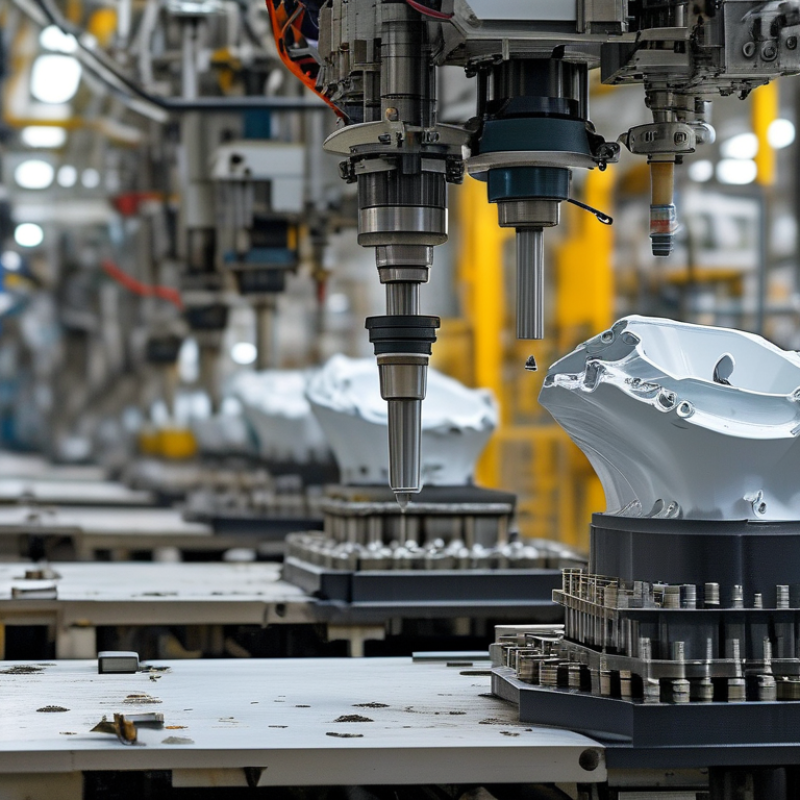
2026 How to Optimize Reaction Injection Molding for Global Buyers?

Understanding Reaction Injection Molding: Definition and Key Principles

Reaction Injection Molding (RIM) is a unique process combining two reactive materials. This method creates strong, lightweight parts with complex shapes. Understanding RIM's key principles can enhance production quality for global buyers seeking efficiency.

The process involves mixing liquid components at high speed. These react chemically to form a solid polymer. The materials expand and fill the mold precisely. One unique aspect is the ability to use varying densities and stiffness. This flexibility allows designers to tailor products for specific uses.

However, ensuring optimal results in RIM isn't straightforward. Inadequate mixing can lead to weak spots. Material selection is also critical. Too much of one component can skew performance. Buyers need to refine their approach continuously. Awareness of these challenges is essential to optimize production and meet market demands.

Analyzing Market Trends: Global Demand for RIM by 2026

As we look towards 2026, the global demand for Reaction Injection Molding (RIM) continues to expand. Industries from automotive to consumer goods are increasingly adopting RIM due to its versatility. This trend highlights the need for manufacturers to optimize their processes to stay competitive. The ability to create lightweight yet durable components is becoming essential. Efficient production methods can significantly reduce waste and improve turnaround times.

Yet, challenges persist. Many producers struggle with quality control. Inconsistent material properties can lead to product failures. It's crucial for businesses to invest in quality assurance protocols. Training staff on best practices can also make a substantial difference. Investing in state-of-the-art technology may seem costly, but the long-term benefits usually justify the expense.

Market analysis indicates a growing preference for sustainable practices. Buyers are seeking environmentally friendly solutions. This shift urges manufacturers to rethink their sourcing and production strategies. Adapting to these changes can be daunting, but being proactive can yield rewards. Failing to keep up may leave companies at a disadvantage. Engaging in continuous learning and development is essential for success in this evolving market.

Critical Factors for Optimizing RIM: Material Selection and Process Parameters

Reaction Injection Molding (RIM) has gained traction for its versatile applications in various industries. To optimize RIM, material selection plays a critical role. Polyurethane is often favored due to its excellent mechanical properties. A study indicates that using the right resin can improve product durability by up to 30%. However, not all materials are suitable for every application. The choice should align with end-use requirements.

Process parameters are equally essential. Factors like temperature, pressure, and injection speed significantly influence the final product. Research shows that optimizing these parameters could reduce cycle times by 40%. Finding the right balance is crucial. Adjusting temperature can affect viscosity, impacting flow during molding. A miscalculation might lead to defects, compromising product quality.

For those looking to enhance their RIM processes, consider experimenting with various materials. Keep an eye on industry trends and innovations. It's also beneficial to monitor equipment performance regularly. This proactive approach can prevent issues before they arise. Engaging in continuous learning about new technologies can lead to better decision-making in material and process choices.

Cost Efficiency in RIM: Strategies for Maximizing Profit Margins

Cost efficiency in Reaction Injection Molding (RIM) plays a crucial role for manufacturers aiming to maximize profit margins. One effective strategy is to streamline material selection. Choosing the right polyols and isocyanates can significantly reduce costs while maintaining quality. Suppliers often offer bulk discounts, which can lead to further savings. Collaboration with raw material providers is essential to negotiate favorable terms and lower production expenses.

Another vital area is the optimization of processes. Regularly reviewing cycle times and production lines can reveal bottlenecks. Adjusting injection speeds and temperatures often results in enhanced efficiency. It’s important to invest in training staff to operate machinery optimally. This helps minimize wastage and increases output. Monitoring key performance indicators is key to identifying areas needing improvement.

Additionally, consider integrating technology into RIM practices. Automation can aid consistency and reduce labor costs. However, it’s worth cautioning against over-reliance on technology. Periodic evaluations of both automated and manual processes are necessary. Balancing innovation with traditional techniques may yield the best results. Each strategy offers unique benefits, but reflection and adaptability are vital for sustained success.

Sustainability in Reaction Injection Molding: Eco-Friendly Practices and Innovations

Sustainability is crucial in reaction injection molding. Eco-friendly practices can significantly reduce the environmental impact. According to the American Chemistry Council, the industry has made strides in reducing its carbon footprint. Utilizing renewable resources can cut emissions by up to 30%. Such practices not only benefit the environment but also enhance brand reputation.

Innovations like bio-based polyols are gaining traction. These materials are derived from renewable plant sources, lowering dependency on fossil fuels. A recent study showed that using bio-based alternatives can reduce energy consumption by up to 40%. However, sourcing consistent quality remains a challenge. Companies must address supply chain variances to fully benefit from these innovations.

Recycling post-consumer RIM products also presents opportunities. The potential for reusing materials is significant, yet remains under-explored. Current methods often yield lower-quality recyclates. Therefore, investments in advanced recycling technologies are necessary. This can facilitate more efficient recycling processes, making them viable for broader applications. The industry should reflect on its current practices and aim for responsible growth in sustainable RIM.

Choose a global leader for your hydraulics solutions

How can we help you?

Call to 0034 943884600 Contact us
Call us Contact us

We use cookies to ensure that we give you the best experience on our website. If you continue without changing your settings, we'll assume that you agree to receive cookies on the HINE website. For more information read our cookie policy page, click the link for more information.plugin cookies

ACEPTAR
Aviso de cookies