

What is a Plastic Pallet Mold and How does it Work?

In the world of logistics and manufacturing, the importance of a Plastic Pallet Mold cannot be overstated. Expert Anna Johnson, a leading figure in polymer molding, states, "The efficiency of plastic pallets starts with a well-designed mold." This highlights the critical role that molds play in producing durable and functional plastic pallets.

A Plastic Pallet Mold is designed to create pallets used in various industries, including warehousing and transportation. The process begins with heating plastic materials until they become pliable. Afterward, the molten plastic is injected into the mold, where it cools and forms the desired shape. This method ensures consistency and reliability in pallet production.

The quality of the Plastic Pallet Mold directly affects the durability and performance of the pallets. Therefore, achieving the perfect design can be challenging. If the mold is not designed with precision, it can lead to structural weaknesses. Reflecting on this, Johnson emphasizes the need for continuous improvement in mold design, reminding us that even experts face challenges in perfecting their craft.
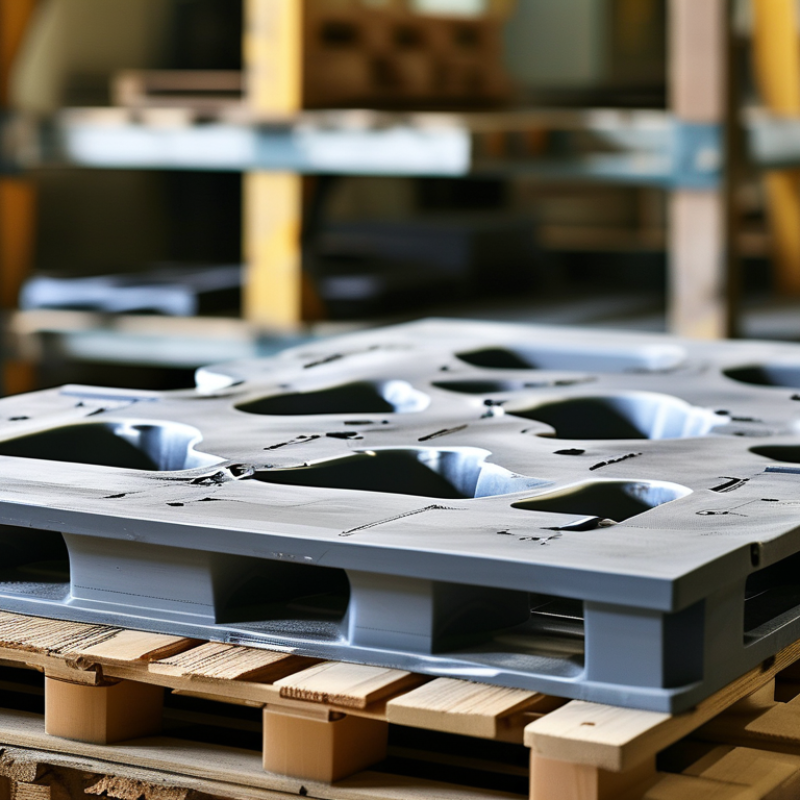
What is a Plastic Pallet Mold and How does it Work?

What is a Plastic Pallet Mold? Definition and Overview

A plastic pallet mold is a crucial tool in the manufacturing of plastic pallets. It defines the shape and structure of the pallets during production. Typically made from steel or aluminum, these molds are designed to withstand high pressures and temperatures during the molding process. The precision in the mold design determines the quality of the final product, affecting durability and load-bearing capacity.

The working mechanism of a plastic pallet mold involves several stages. First, raw plastic materials are heated until they melt. Then, this liquid plastic is injected into the mold cavity. Once filled, the plastic is cooled and solidified, taking the form of the mold. Factors like cooling time and temperature can influence the pallet’s strength. Flaws in these areas can lead to defective pallets, which may not meet industry standards.

Many manufacturers face challenges in mold design and production efficiency. Adjustments in the mold or processes may be needed for better performance, which can require time and experimentation. It is a continuous journey of learning to meet market demands while ensuring quality.

The Materials Used in Plastic Pallet Molds: Types and Properties

When discussing plastic pallet molds, the materials used play a crucial role in their effectiveness and longevity. Most molds are crafted from steel or aluminum due to their strength and durability. Steel molds tend to endure higher production volumes, while aluminum molds are favored for their lighter weight and cost-effectiveness. The choice between these materials can significantly influence the mold's performance and lifespan.

In addition to the primary materials, various coatings and alloys may be employed to enhance the molds’ properties. For instance, chrome plating can improve corrosion resistance. Special alloys can also be designed to withstand high temperatures, adding another layer of resilience. Such specific requirements often lead to increased production times and costs. It’s essential to balance the advantages of material choices against these drawbacks.

Designing plastic pallet molds requires careful consideration. Each material has distinct attributes that can affect final product quality. A poorly chosen material can lead to rapid wear and tear, resulting in defects in the pallets produced. Moreover, the environmental impact of material sourcing isn't always clear. This aspect needs better attention in the industry. Adjusting material selections could facilitate more sustainable practices in mold manufacturing.

What is a Plastic Pallet Mold and How does it Work? - The Materials Used in Plastic Pallet Molds: Types and Properties

Material Type Properties Applications Advantages
Polyethylene (PE) Durable, lightweight, and resistant to moisture Food industry, beverage packaging Cost-effective and easy to recycle
Polypropylene (PP) High fatigue resistance, impact-resistant Automotive components, industrial applications Versatile and has excellent chemical resistance
Polyvinyl Chloride (PVC) Chemical resistant, good mechanical strength Construction, medical applications Durable and offers good thermal stability
Expanded Polypropylene (EPP) Lightweight, good shock absorption Packaging, automotive parts Environmentally friendly and easily moldable
Acrylonitrile Butadiene Styrene (ABS) Strong, tough, and impact-resistant Consumer goods, electronics housings Excellent surface finish and colorability

The Mold Design Process: Key Considerations and Techniques

Designing a plastic pallet mold requires careful consideration of several critical factors. Mold design goes beyond mere shape and size. Engineers must account for material properties, cooling systems, and injection speed. A well-designed mold ensures even material distribution. This reduces defects and enhances durability. According to a report by the Plastic Industry Association, more than 30% of plastic mold defects can be traced back to design flaws.

Another key element is the cooling efficiency of the mold. A balanced cooling system shortens cycle times and increases production rates. Yet, designing such a system is complex. Effective flow channels must be established to avoid thermal variations. Many engineers struggle with this balance, leading to increased costs. In fact, industry studies have shown that improper cooling design can increase production time by up to 25%.

The choice of material for the mold itself also plays a vital role. Steel is often preferred for its durability but can be more expensive. Aluminum can serve as a cost-effective alternative. However, it may wear out faster. Recognizing the trade-offs between durability and cost is essential. Engineers continually seek to refine their designs and improve outcomes. Each decision impacts the final product's quality and lifecycle.

Injection Molding Process for Plastic Pallets: Step-by-Step Insights

Plastic pallets are essential in industries, providing durability and efficiency in transportation. The injection molding process is key to their production. This method begins with melting plastic pellets. The molten material flows into a mold cavity shaped like the desired pallet. Once cooled, the pallet hardens and is ejected from the mold.

Throughout this process, maintaining precise temperature control is crucial. According to industry reports, temperature variations can lead to defects and affect the pallet's strength. Tools like infrared thermometers can ensure a stable heating process. Keeping the workspace clean is vital as contaminants can cause major issues during molding.

Tips: Invest in high-quality molds to reduce defects. Regular maintenance of injection molding machines is essential for optimal performance. Moreover, test each pallet batch for load-bearing capacity. This step is often overlooked but can save costs later. Understanding common issues in molding can help improve overall efficiency and reduce waste.

Plastic Pallet Manufacturing Process Overview

Common Applications and Advantages of Plastic Pallets in Industry

Plastic pallets have become essential in various industries due to their numerous advantages. Industries like food, pharmaceuticals, and manufacturing rely heavily on these pallets. Reports indicate that the global plastic pallet market is projected to reach $9.5 billion by 2027. This significant growth reflects the rising need for durable and lightweight materials in logistics.

One major benefit of plastic pallets is their resistance to moisture, chemicals, and pests. Unlike wooden pallets, plastic alternatives do not absorb liquids. This feature is crucial in industries that require stringent hygiene standards, such as food and pharmaceuticals. Additionally, they are easy to clean, reducing the risk of contamination. A study highlighted that switching to plastic pallets could decrease product spoilage rates by up to 30%.

Cost-effectiveness is another advantage. Although the initial investment may be higher, plastic pallets have a longer lifecycle. They can be reused hundreds of times, making them a wise long-term investment. However, some companies hesitate to switch due to the perceived upfront costs. This reluctance may hinder potential savings and efficiency gains. Embracing plastic pallets often requires a shift in mindset but can significantly enhance operational efficiency.

Choose a global leader for your hydraulics solutions

How can we help you?

Call to 0034 943884600 Contact us
Call us Contact us

We use cookies to ensure that we give you the best experience on our website. If you continue without changing your settings, we'll assume that you agree to receive cookies on the HINE website. For more information read our cookie policy page, click the link for more information.plugin cookies

ACEPTAR
Aviso de cookies