

In the ever-expanding market of polyethylene tarps, identifying top-quality suppliers is essential. Renowned industry expert Dr. John Smith, a leading consultant for Polyethylene Tarp Manufacturers, emphasizes, “Quality and consistency are vital for any polyethylene tarp manufacturer aiming for customer loyalty.”
The Chinese market holds a significant position in manufacturing these versatile tarps. Major manufacturers here have set benchmarks in quality, while also innovating new materials. Attention to detail is crucial. Many customers report selecting manufacturers based on their durability and reliability.
However, the quest for quality is not without challenges. Some manufacturers may offer lower prices but compromise on material strength. This temptation can lead to poor product performance. It's essential for buyers to conduct thorough research and take feedback seriously. Insights from experts help navigate this complex landscape effectively. Quality matters greatly in the long run, shaping the industry’s reputation.
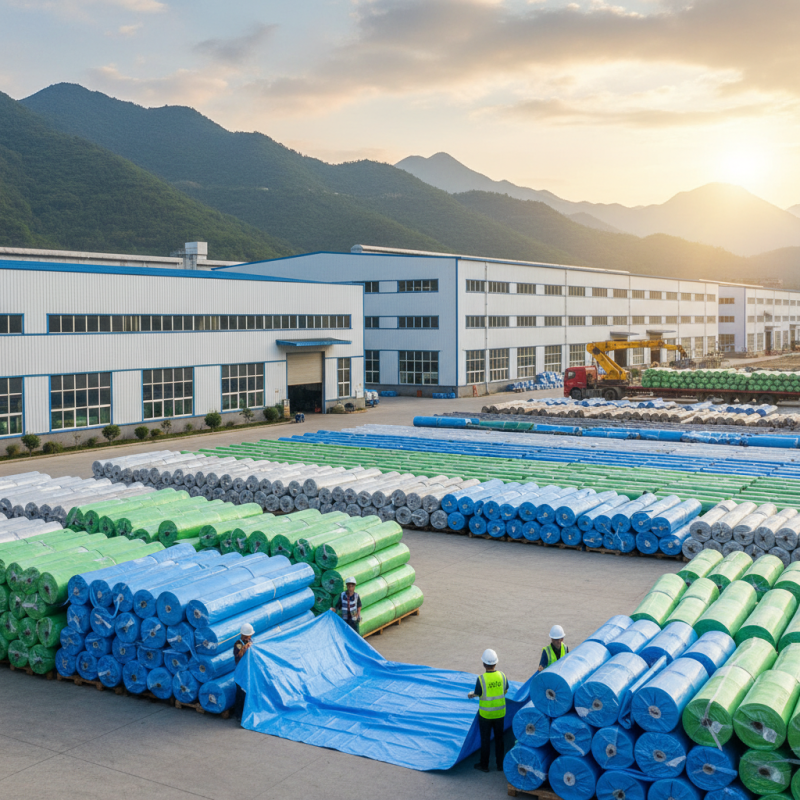
The polyethylene tarp industry in China has experienced significant growth in recent years. This increase is driven by the rising demand for durable and versatile tarps across various sectors. From construction to agriculture, polyethylene tarps play crucial roles. They protect materials from environmental elements and provide temporary shelter.
In China, many manufacturers specialize in producing high-quality polyethylene tarps. These companies focus on using advanced materials and technology. They emphasize the importance of both strength and flexibility in their products. However, the industry faces challenges such as quality control and market competition. Many manufacturers often need to reflect on their production processes to ensure consistent quality.
Moreover, while some manufacturers strive for innovation, not all keep pace with international standards. This can lead to variability in product quality. Some buyers have reported issues with durability and UV resistance. Such concerns highlight the need for ongoing improvement in manufacturing practices. Many manufacturers are now seeking to enhance their expertise and offer better-quality products to meet customer expectations.
When searching for quality polyethylene tarps, several key attributes are crucial to consider. The thickness of the tarp matters significantly. Thicker tarps typically offer better durability and resistance to tearing. Look for materials that can withstand harsh weather conditions. UV resistance is also important, especially if the tarps will be used outdoors for extended periods.
Another essential feature is the grommets. Closely spaced, reinforced grommets ensure durability and easier securing methods. They should be rust-resistant to withstand moisture. Water resistance is vital, too. Check if the tarp is treated to repel water, which enhances its usability during rainy days. Additionally, consider the color. Bright colors are often easier to spot and can reflect sunlight better, reducing heat build-up underneath.
It's vital to assess the manufacturing quality. Inconsistent stitching and flaws indicate poor craftsmanship. Be cautious of very low-priced options, as they might compromise on quality and durability. Comparing materials and specifications can be overwhelming. Yet, the right choice can provide long-lasting protection and satisfaction. Remember that what seems like a small detail can impact your experience significantly.
Polyethylene tarps play a crucial role in various industries, from agriculture to construction. A recent industry report highlights that the global polyethylene tarp market reached a valuation of approximately $5.2 billion in 2022. The demand is projected to grow at a compound annual growth rate (CAGR) of 4.5% over the next five years. This upward trend means that identifying quality manufacturers is essential for businesses seeking reliable supplies.
When comparing manufacturers, key factors include material durability, UV resistance, and weather performance. Many manufacturers offer tarps with reinforced edges for added strength. Studies indicate that polyethylene tarps can resist water and are resistant to mold and mildew, making them suitable for diverse applications. However, not all suppliers maintain these quality standards consistently.
Understanding the production processes is vital. Some manufacturers use recycled materials, impacting the final product quality. A surprising 30% of tarps tested showed signs of wear within the first season. This variability calls for careful supplier selection and quality checks. In a market flooded with options, it can be challenging to find manufacturers that meet industry standards reliably. Each choice requires thoughtful consideration and thorough background checks.
The market for polyethylene tarps in China is seeing notable growth. Demand has surged as industries recognize the versatility of tarps for agriculture, construction, and outdoor applications. According to a market report, the polyethylene tarp segment is expected to grow by 7% annually, indicating solid consumer interest.
Market trends show a shift towards sustainable and durable materials in tarp production. Many consumers prioritize products that offer both reliability and environmental responsibility. Data from the industry suggests that over 50% of consumers prefer eco-friendly options, driving manufacturers to adapt their offerings accordingly. This has led to an increase in the production of UV-resistant and tear-resistant tarps.
The polyethylene tarp manufacturing industry faces various challenges. One major issue is the fluctuating price of raw materials. These price changes affect production costs and ultimately the final price. Manufacturers often struggle to balance cost and quality. Many companies are seeking cost-effective alternatives to traditional materials. This requires innovative thinking and adaptation.
Innovation is essential for staying competitive. Some manufacturers are exploring advanced technologies, such as automated production lines. This increases efficiency and reduces labor costs. Additionally, many are investing in research to develop stronger, lighter materials. These advancements not only improve product lifespan but also meet evolving customer demands. However, not all initiatives succeed, and companies must learn from their failures to enhance processes.
Environmental concerns also impact manufacturing practices. There is a growing demand for eco-friendly options. Meeting this demand can be challenging, as sustainable materials often cost more. Manufacturers must find a way to produce environmentally friendly tarps without compromising quality. Some are experimenting with biodegradable materials. This approach reflects the industry's need to balance sustainability with customer expectations. The road ahead is filled with opportunities and challenges, requiring continued innovation and strategic thinking.
How can we help you?
Call to 0034 943884600 Contact usWe use cookies to ensure that we give you the best experience on our website. If you continue without changing your settings, we'll assume that you agree to receive cookies on the HINE website. For more information read our cookie policy page, click the link for more information.plugin cookies
ACEPTAR