

In the manufacturing world, efficiency is key. The Rubber Belt Cutting Machine plays a significant role in streamlining production processes. Its design helps reduce material wastage and improves accuracy. When selecting a cutting machine, industry leaders emphasize not just speed, but precision and durability.
A well-functioning Rubber Belt Cutting Machine can elevate the productivity of any facility. However, not all machines are created equal. Some might lack the necessary features for effective cutting. This inconsistency can lead to challenges, such as increased downtime and costly errors.
Investing in a reliable machine is crucial. It can save time and resources in the long run. However, potential buyers must understand their specific needs. Choosing a machine that aligns with these requirements can be a daunting task, but it's essential for success. With careful consideration, a Rubber Belt Cutting Machine can transform production efficiency and quality.
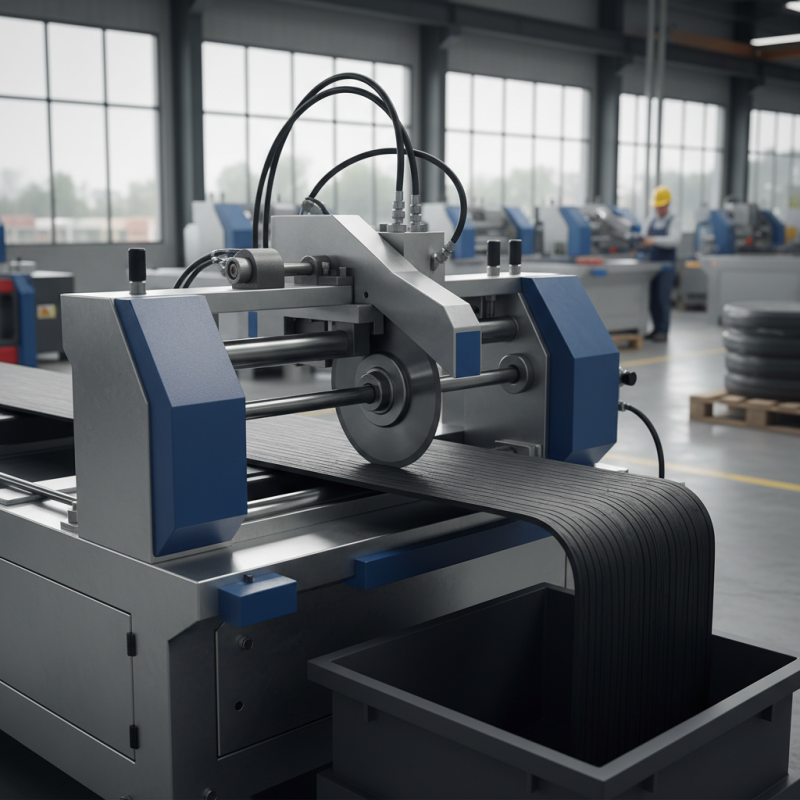
Rubber belt cutting machines play a crucial role in enhancing operational efficiency in various industries. According to industry reports, the global rubber processing market is projected to reach $40 billion by 2026. This growth underscores the need for advanced cutting technologies that can streamline production processes. These machines minimize waste and ensure precise cuts, reducing material costs and boosting productivity.
When assessing rubber belt cutting machines, consider these critical features. Automated systems often provide better accuracy and speed. The technology behind them allows for customizable blade settings. Additionally, enhanced safety measures protect operators and reduce downtime. Make sure to analyze the machine’s operational capacity and maintenance requirements before purchase.
Tips: Regular maintenance extends the lifespan of cutting machines. Operators should receive training on the specific model in use. This enhances efficiency and ensures a safer work environment. Understanding the machine’s limits is essential. Overuse or improper adjustments can lead to errors and costly repairs. Investing time in operator education pays off in the long run.
In the rubber belt production industry, efficiency is crucial. It directly impacts output, quality, and cost. High efficiency leads to reduced waste and better resource management. Improved production processes can significantly lower operational costs. Therefore, investing in the right cutting machines can transform production lines.
Cutting machines should be tailored for specific rubber types. Precision is key. A machine that performs well on one material might struggle with another. This mismatch can lead to inconsistent quality. Additionally, manufacturers should regularly maintain equipment. Maintenance ensures longevity and optimal performance.
Tips: Consider automation to enhance precision. Implement training for operators to boost expertise. Regular assessments of production workflows can identify bottlenecks. Always seek feedback from operators. Their insights often reveal areas for improvement. Balancing innovation with traditional craftsmanship can also yield better results.
When selecting rubber belt cutting machines, several key features stand out. Precision in cutting is essential. Reports suggest that a small discrepancy in cuts can lead to material waste of up to 20%. Accurate dimensions impact overall production efficiency. Machines equipped with advanced laser guides enhance this precision significantly. Users often highlight the difference that precise cuts make in their final products.
Speed is another crucial factor to consider. Top machines can achieve cutting speeds exceeding 60 meters per minute. This efficiency means higher output and lower operating costs. However, some users report that excessive speed can compromise the quality of the cut. Finding a balance here is vital for maximizing machine capability without sacrificing quality.
Furthermore, durability and ease of maintenance are important features. Machines that require frequent repairs can disrupt production cycles. Research shows that implementing machines with robust designs can reduce downtime by more than 25%. Still, some facilities struggle with regular upkeep. Regular maintenance schedules often get overlooked, leading to unexpected breakdowns. Reflecting on such issues can lead to more reliable operations.
Rubber belt cutting machines are essential for various industries, boosting efficiency significantly. Recent studies indicate that companies that implement advanced cutting technologies can increase productivity by up to 30%. Many options exist, but choosing the right machine is crucial.
Top brands have developed models that prioritize precision and speed. Features like automatic feeding and laser-guided cutting ensure minimal material waste. A report from the Rubber Manufacturers Association highlights that improper cutting techniques can result in up to 25% loss in raw materials. Therefore, investing in reliable machines pays off.
Despite advancements, challenges remain. Some machines may require skilled operators for optimal performance. Service and maintenance can become an issue, leading to downtime. It's essential to consider these factors when selecting a rubber belt cutting machine for your production line. Reassessing the performance of existing machines may reveal opportunities for improvement.
Proper maintenance of rubber belt cutting machines is crucial for optimal performance. Regular inspections and upkeep can significantly enhance efficiency and prolong machine lifespan. Reports indicate that well-maintained machines can achieve up to 20% more productivity compared to those receiving minimal care. This shows that investing time in maintenance directly correlates with operational efficiency.
Lubrication plays a key role in machine maintenance. Using the right lubricants minimizes friction, reducing wear and tear. Studies suggest that improper lubrication leads to a 30% increase in potential downtime. It's essential to check lubricant levels frequently and replace them as needed. Additionally, regular calibration of cutting blades ensures precision and minimizes waste material, contributing to overall efficiency.
Dust and debris can accumulate in machines, affecting their performance. Regular cleaning schedules should be established to prevent buildup. A clean machine operates smoothly and lasts longer. Workers should be trained to inspect machines daily for signs of wear. Neglecting these aspects can lead to costly repairs and inefficient production. Timely maintenance not only enhances performance but also reflects a company’s commitment to quality.
How can we help you?
Call to 0034 943884600 Contact usWe use cookies to ensure that we give you the best experience on our website. If you continue without changing your settings, we'll assume that you agree to receive cookies on the HINE website. For more information read our cookie policy page, click the link for more information.plugin cookies
ACEPTAR