

Smart Battery Charging System Benefits for Global Buyers

The emergence of the Smart Battery Charging System marks a significant shift in energy management. This technology enhances battery longevity and efficiency. By optimizing charging cycles, it prevents overcharging and overheating. Easy to implement, this system appeals to global buyers.

The benefits of the Smart Battery Charging System extend beyond mere convenience. Cost savings emerge as users experience longer battery life. Additionally, this system reduces waste and promotes sustainability. However, challenges exist. Not all chargers are compatible with this technology. This can lead to frustration and additional costs for buyers.

Investing in a Smart Battery Charging System can seem daunting. Buyers may wonder about the return on investment. With proper research and guidance, the advantages become clear. The shift towards smart solutions is not just a trend; it’s a necessity for a more efficient future.
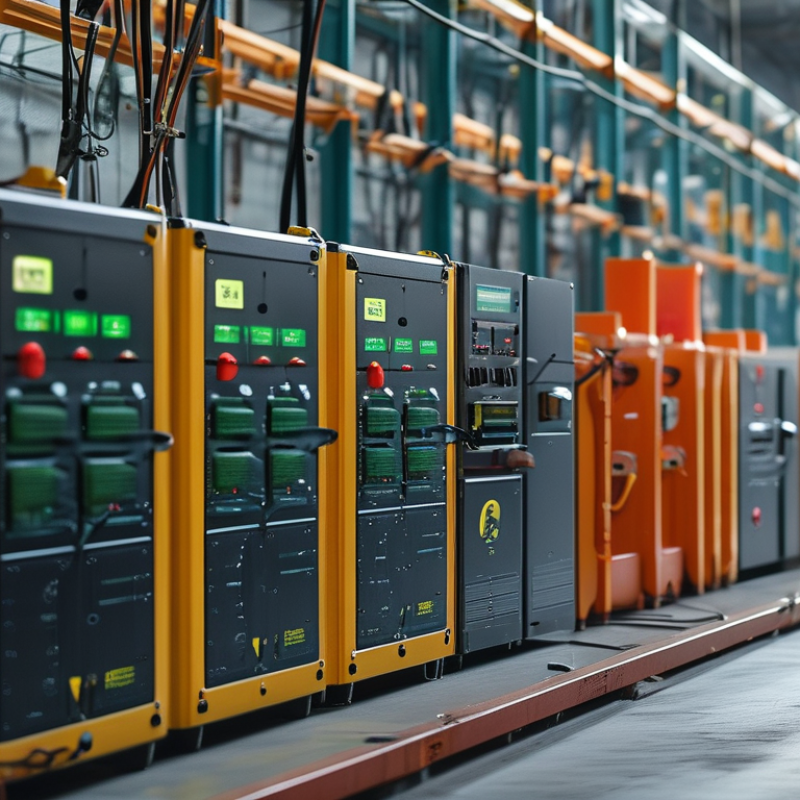
Smart Battery Charging System Benefits for Global Buyers

Benefits of Smart Battery Charging Systems for Global Consumers

Smart battery charging systems offer numerous benefits for global consumers. One major advantage is their ability to extend battery life. By using sophisticated algorithms, these systems prevent overcharging. This prolongation is crucial for ensuring devices remain operational for longer periods, which is especially valuable for remote working or traveling individuals.

Cost savings are another significant benefit. Smart systems optimize charging times, often running during off-peak hours when electricity rates are lower. This can lead to noticeable reductions in electricity bills. In our increasingly digital world, every bit of financial efficiency counts.

Tips: Invest in a smart charger that fits your specific needs. Always look for user reviews to gauge reliability. Take the time to learn how to use all the features available. Small adjustments in settings can lead to better efficiency.

Smart battery chargers are not perfect. Users may encounter compatibility issues with certain devices. This can be frustrating and may require additional research. However, the potential benefits generally outweigh these inconveniences.

Key Features of Smart Battery Charging Technologies

Smart battery charging technologies are transforming how consumers manage energy. A recent industry report highlights that advanced charging systems can reduce energy consumption by up to 30%. This efficiency not only lowers costs but also lessens environmental impact. The key features of these technologies center around smart monitoring and control, ensuring batteries are charged optimally.

Integration of real-time analytics allows users to track charging patterns. This data-driven approach enhances battery life by avoiding overcharging. One study found that batteries maintained with smart systems have a lifespan increased by 20%. Moreover, features like temperature regulation prevent potential hazards, ensuring safer usage.

Tip: Regularly monitor your charging habits. This can guide more efficient energy use.

Smart chargers often support multiple battery types. This adaptability provides versatility for different devices. However, some users may find the technology complex. The learning curve can be steep, emphasizing the need for user-friendly interfaces.

Tip: Consider seeking out tutorials or user reviews to navigate these systems effectively.

Investing in smart charging can yield significant savings in the long run. Numerous reports now link smart technology adoption to reduced energy bills. However, the upfront cost is still a consideration for many. Balancing immediate expenses against long-term benefits requires thoughtful evaluation.

Cost-Effectiveness of Smart Battery Charging Solutions

Smart battery charging systems offer significant cost-effectiveness for global buyers. These systems optimize energy usage, reducing electricity bills. By maximizing charging efficiency, users can save on their operational costs. Many organizations are turning to smart solutions to streamline their processes and minimize waste. It leads to higher profitability and sustainability.

Tips: Regular maintenance of your charging infrastructure is crucial. A neglected system may lead to inefficiencies, undermining your cost savings.

Investing in smart battery technology can yield impressive returns. However, initial costs may seem high. It's essential to assess long-term savings against upfront expenses. An unexpected failure in any conventional system can result in hefty repairs. Smart systems can predict potential issues, reducing downtime significantly.

Tips: Consider transparent pricing models when evaluating options. Hidden costs can negate overall savings.

Smart battery charging solutions enhance not just financial margins but operational reliability too. As they evolve, staying informed about the latest advancements will be advantageous. Global buyers need to keep an eye on how these technologies will adapt to future energy challenges.

Environmental Impact of Smart Battery Charging Systems

Smart battery charging systems provide numerous environmental benefits. These systems optimize the charging process, reducing energy waste. By using smart algorithms, they adapt to varying energy demands. This efficiency lowers carbon emissions significantly.

The integration of renewable energy sources is another advantage. Smart systems can interact with solar panels or wind turbines. This synergy helps decrease reliance on fossil fuels, promoting cleaner energy usage. Fewer fossil fuels mean less environmental degradation and a healthier planet.

However, challenges exist. The initial cost of smart charging technology can be high. Not all users may see the immediate benefits. Education and accessibility are essential. As more people understand these systems, adoption will likely increase. Overall, the long-term benefits can outweigh the initial hurdles.

Comparative Analysis of Traditional vs. Smart Battery Charging Methods

In the realm of battery charging, the choice between traditional and smart methods can significantly impact efficiency and lifespan. Traditional charging often involves a fixed voltage and current approach, which lacks adaptability. This can lead to overcharging and overheating. The result? Shortened battery life and increased risks of damage. Users may notice their devices having reduced performance over time.

Smart battery charging systems stand out by employing advanced algorithms. These systems monitor battery health and adjust charging rates accordingly. For example, they can slow down the charge when nearing full capacity. This method not only enhances safety but also extends battery life. Users might find that their devices perform better and last longer between charges.

However, the transition to smart charging isn’t without challenges. Some users may find the initial setup complicated, and not all devices are compatible. There’s a learning curve involved in understanding the new technology. Yet, the potential for improved efficiency and extended battery life often outweighs these hurdles. Adopting smart charging methods could be a transformative step for many buyers globally.

Choose a global leader for your hydraulics solutions

How can we help you?

Call to 0034 943884600 Contact us
Call us Contact us

We use cookies to ensure that we give you the best experience on our website. If you continue without changing your settings, we'll assume that you agree to receive cookies on the HINE website. For more information read our cookie policy page, click the link for more information.plugin cookies

ACEPTAR
Aviso de cookies