What is a Threaded Concrete Self-tapping Screw and its Uses?
In the construction industry, the use of innovative fasteners is crucial for structural integrity. One such innovation is the "Threaded Concrete Self-tapping Screw." John P. Harrison, a renowned expert in fastening technology, states, "These screws revolutionize the way we attach materials to concrete." His insights highlight the significance of these screws in modern construction.
Threaded Concrete Self-tapping Screws provide reliable anchorage. They ease the installation process, eliminating the need for pre-drilling in many scenarios. Unlike traditional anchors, these screws engage directly with concrete, ensuring a tight fit. This enhances both load-bearing capacity and durability. In environments where time is limited, their efficiency is invaluable.
While these screws offer many advantages, they are not without challenges. Proper selection and installation are critical to maximize their potential. Misapplication can lead to failures. Knowledge and experience in using Threaded Concrete Self-tapping Screws are key for optimal results. Adopting them without adequate understanding can sometimes lead to subpar outcomes. The construction industry must continue to adapt and learn about these specialized fasteners.
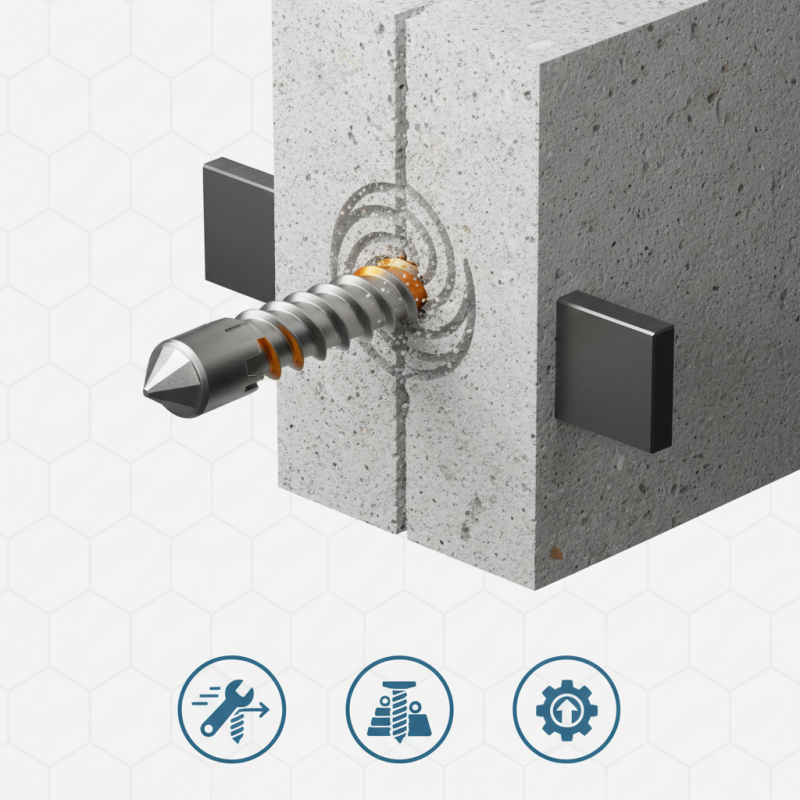
What is a Threaded Concrete Self-tapping Screw?
A threaded concrete self-tapping screw is designed for use with concrete materials. These screws feature sharp threads and a pointed tip, enabling them to cut into concrete without needing a pre-drilled hole. This innovation simplifies installation and improves efficiency on construction projects. According to industry studies, using such screws can reduce installation time by up to 30%.
The unique design of these screws ensures they create a strong bond in concrete, providing excellent holding power. However, improper installation can lead to reduced effectiveness. It's crucial to consider the load requirements and the concrete's density before use. Inadequate consideration might result in failure under stress. This emphasizes the need for proper training and understanding of the materials involved, as not all applications will yield the same results.
While they offer numerous advantages, it's vital to acknowledge their limitations. Not every concrete type is suitable for threaded self-tapping screws. Poor-quality concrete can diminish the performance of the screws. Professionals recommend testing smaller sections before large-scale applications to ensure reliability. Balancing efficiency with performance can make a significant difference in overall project outcomes.
The Design and Structure of Threaded Concrete Self-tapping Screws
Threaded concrete self-tapping screws are essential tools in construction. Their design allows them to penetrate hard materials like concrete and masonry without pre-drilling. This is mainly due to their unique threaded shaft which enables effective anchoring.
The structure of these screws is quite distinctive. They feature a sharp point that aids in easy insertion. The threads are coarse to grip the concrete securely. The material used is often high-strength steel to withstand various loads. Some models may have corrosion-resistant coatings for longevity. While their performance is impressive, installers must ensure correct sizing and depth for optimal effectiveness.
Using these screws requires some skill. If not installed properly, they may not hold as expected. Incorrect torque can lead to stripping or breakage. It's important to match the screw size with the application type. Misuse can lead to costly repairs. Careful consideration is necessary to maximize their benefits.
Applications of Threaded Concrete Self-tapping Screws in Construction
Threaded concrete self-tapping screws are essential tools in construction. They provide a reliable fastening option for various materials. These screws can efficiently penetrate concrete or masonry without the need for pre-drilling. This feature saves time and improves the overall efficiency of the project. Contractors appreciate their strength and durability, making them ideal for heavy-duty applications.
In residential building projects, threaded concrete self-tapping screws are commonly used. They secure brackets, beams, and other structural components. Their ability to resist shear forces ensures structural integrity. In commercial settings, they are used for installing walls and furnishings. The versatility of these screws supports a wide range of materials, from wood to metal.
However, not every application is suitable for these screws. It’s crucial to assess concrete density before use. Novice users might struggle with accurate placement. Mistakes in installation can lead to failure or damage. Learning from these challenges is part of mastering the craft. Proper training and experience increase the likelihood of successful outcomes. Understanding the limits of threaded concrete self-tapping screws is vital for every professional.
Applications of Threaded Concrete Self-tapping Screws in Construction
Advantages of Using Threaded Concrete Self-tapping Screws
Threaded concrete self-tapping screws are specially designed fasteners used for securing materials to concrete. Their unique thread design allows them to tap into concrete surfaces without the need for pre-drilling. This feature not only saves time but also improves installation efficiency. In many industrial applications, these screws provide a secure and durable fastening solution.
One of the primary advantages of using threaded concrete self-tapping screws is their strength. According to a report by the Fastener Quality Act, self-tapping screws can achieve optimal holding power in various materials, including concrete. They offer high tensile strength, which ensures that structures remain stable under pressure. Additionally, their design reduces the risk of stripping during installation, a common issue with traditional screws. This reliability translates into reduced maintenance costs over time.
Another significant benefit is their versatility. These screws can be used in diverse applications, from construction to home improvement projects. However, it is essential to consider the specific requirements of each project. Misalignment during installation can lead to suboptimal performance. Thus, proper usage and attention to detail are crucial. Issues may arise if the screw is not suited to the material density, leading to potential failures. Being mindful about these factors can enhance the effectiveness of threaded concrete self-tapping screws.
Installation Techniques for Threaded Concrete Self-tapping Screws
Threaded concrete self-tapping screws are specially designed fasteners used in concrete applications. Their installation requires specific techniques to ensure strength and durability. It’s essential to follow proper procedures to avoid potential issues.
To begin, drill a pilot hole with the appropriate diameter. This step is crucial as it guides the screw and reduces the risk of cracking the concrete. According to a study by the Concrete Research Institute, properly drilled holes can enhance screw performance by up to 30%. Next, use a torque wrench during installation. This helps achieve the recommended torque specifications, which are vital for optimal holding strength.
Tips: Ensure your work area is clean. Dust and debris can impact screw installation. Always check your tools. Using the wrong drill bit size can lead to complications. Additionally, consider the depth of the screw; an incorrect depth may lead to insufficient grip.
When selecting screws, evaluate the concrete density. Softer concrete may require different screws compared to harder types. Industry reports indicate that misjudgment in screw selection can lead to failure rates as high as 20%. Regularly review installation methods. Learning from past projects can prevent future mistakes and improve techniques.