
Top 5 Tips for Buying an Electric Hydraulic Pump?

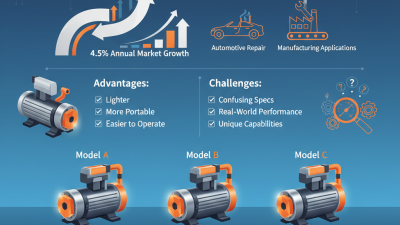
Buying an electric hydraulic pump can be a great investment for various applications, from industrial machinery to vehicle maintenance. According to a report by MarketsandMarkets, the global hydraulic equipment market is projected to reach $50 billion by 2026, indicating robust growth. This rise reflects the increasing adoption of electric hydraulic pumps due to their efficiency and environmental benefits.

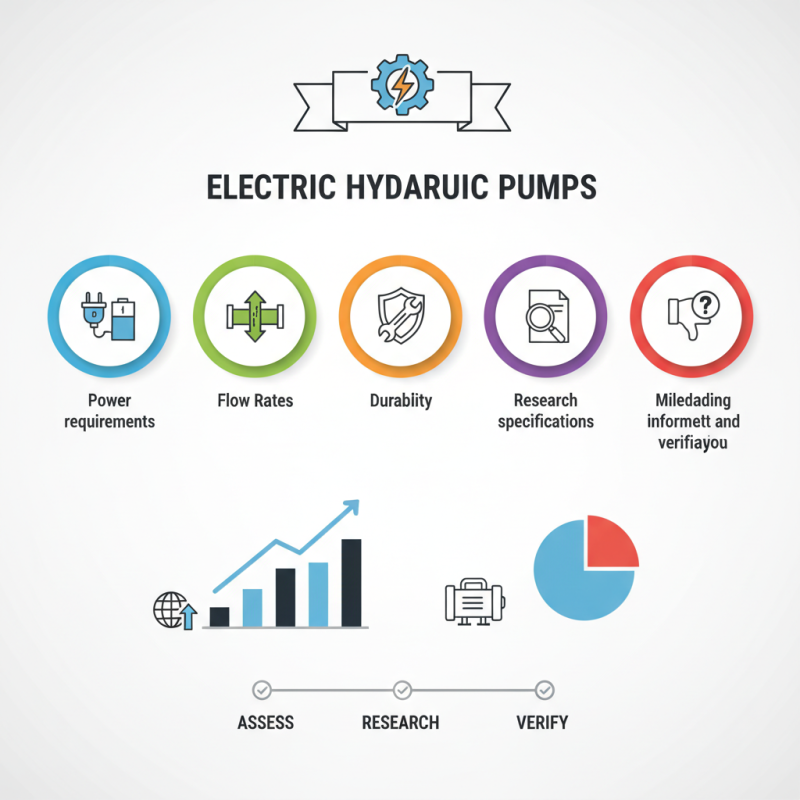
When considering an electric hydraulic pump, assess factors like power requirements, flow rates, and durability. Many pumps on the market vary significantly in performance and specifications. Data from the Hydraulic Institute reveals that pump efficiency can vary by up to 30%, emphasizing the need for comprehensive research before purchasing.

While the advantages are clear, potential buyers should remain vigilant. Not all products are created equal, and some may not meet specific operational needs. Reviews and technical specifications can often be misleading. It’s critical to verify the reliability of the information you gather. An informed decision can enhance performance and ensure a longer lifespan for your electric hydraulic pump.
Top 5 Tips for Buying an Electric Hydraulic Pump?

Understanding the Basics of Electric Hydraulic Pumps
Top 5 Tips for Buying an Electric Hydraulic Pump?

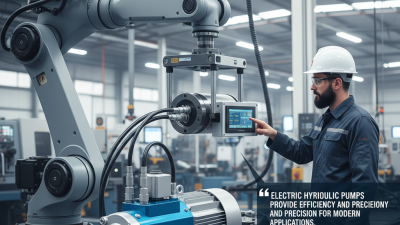
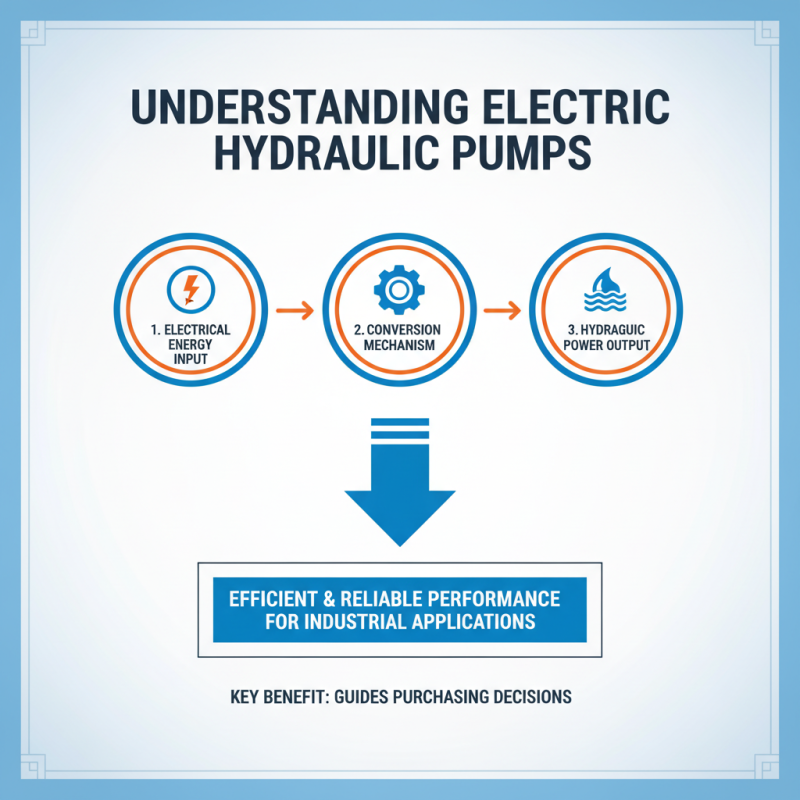
Electric hydraulic pumps are essential for various industrial applications. They convert electrical energy into hydraulic power, providing efficient, reliable performance. Understanding how these pumps work can guide effective purchasing decisions.

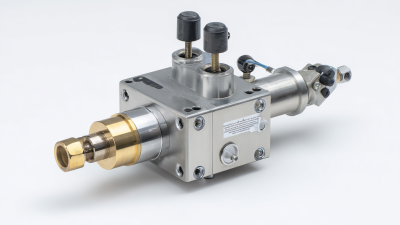
These pumps utilize an electric motor to drive a hydraulic fluid system. A pump mechanism then moves the hydraulic fluid to transfer force. It's vital to consider factors like pressure ratings and flow rates when choosing a pump. Low-quality pumps may face issues like overheating or inconsistent performance.

A thorough inspection of specifications is necessary. Look for details on the motor's power requirements and the pump's capacity. Inadequate research may lead to compatibility issues with existing systems. Performance variations can arise due to environmental factors. Always remember, not all pumps are designed for every task. Taking the time to understand the key features of electric hydraulic pumps can significantly improve efficiency and extend equipment lifespan.
Identifying Your Power and Capacity Needs

When selecting the right electric hydraulic pump, understanding your power and capacity needs is crucial. According to a report by the Hydraulic Institute, nearly 40% of equipment failures stem from improper sizing. Assess your lifting or pushing requirements first. Calculate the maximum load you intend to handle. This will guide you in choosing a pump that meets your demands without underperforming.

To determine capacity, consider the pump's pressure rating and flow rate. A typical pump operates at 700 to 3,000 psi. Validate if your application requires lower or higher PSI. Ensure the selected pump can sustain the necessary pressure consistently. A recent industry survey revealed that 75% of users reported improved efficiency with properly rated equipment.

Tip: Consult with professionals or experienced users before making a decision. Their insights can shed light on common pitfalls. Additionally, review technical specifications diligently. Sometimes, manufacturers use ambiguous terms.

Consider environment factors, too. Temperature changes and humidity can affect performance. Choosing equipment designed for specific conditions offers better reliability. Recognizing these factors can prevent issues down the line.

Evaluating Design and Construction Quality

When evaluating electric hydraulic pumps, design and construction quality are crucial factors. A well-designed pump should feature robust materials. Look for durable casing that can withstand pressure without deforming. Pay attention to joints and seals; they must be tightly fitted to prevent leaks. Examine the overall aesthetic too. A polished finish may indicate attention to detail and quality.

A pump's weight can also be a telltale sign of its construction quality. Heavier models often use better components, which enhance longevity. However, weight isn't everything. A lighter design could still offer superior performance if made with strong materials. Don't overlook user reviews; they reveal common issues. Many users highlight problematic seals or weak connectors. These insights can guide your purchase decision.

One common mistake is focusing solely on specifications. Many overlook the importance of user experience. Understanding how the pump performs in real-world scenarios can provide valuable context. Look for feedback on reliability and ease of use. Sometimes, the most innovative design may not deliver consistent results. Balancing technical specifications and user feedback is essential for making an informed choice.

Top 5 Tips for Buying an Electric Hydraulic Pump

Tip Details Importance Price Range
Evaluate Power Requirements Determine the motor power needed for your applications. High $200 - $600
Check Construction Quality Inspect materials used and overall build quality for durability. Medium $150 - $500
Consider Portability Look for lightweight and compact designs for easy transport. Low $100 - $400
Assess Safety Features Check for overload protection, safety valves, and emergency stops. High $200 - $700
Look for Warranty and Support Ensure manufacturer provides a good warranty and customer support. Medium Varies

Considering Portability and Ease of Use

Top 5 Tips for Buying an Electric Hydraulic Pump?

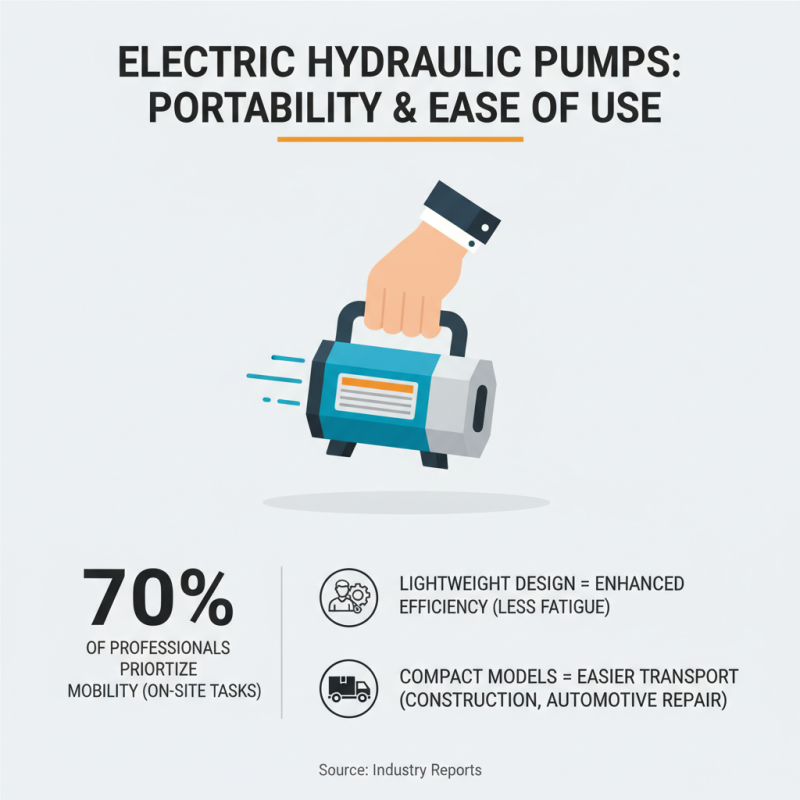
When considering an electric hydraulic pump, portability and ease of use are critical. According to industry reports, over 70% of professionals prioritize mobility for on-site tasks. A lightweight design can enhance efficiency, allowing operators to work without exhaustion. Compact models facilitate easier transport, which is essential in various fields like construction and automotive repair.

Tip: Check the weight specifications. Lighter pumps often provide better maneuverability. Look for models under 50 pounds. They can be easily carried and positioned in tight spaces.

Another aspect to consider is ease of setup. A user-friendly interface becomes essential, especially for those new to hydraulic systems. Reports indicate that 40% of users struggle with complex setups. Selecting a pump with clear instructions and intuitive controls can save you time. Additional features like quick-connect hoses can expedite the process.

Tip: Test the pump before purchase. Evaluate how quickly you can set it up. A reliable system should be operational within minutes, promoting productivity on the job. Avoid products that require extensive technical know-how unless you’re prepared to invest time.

Researching Brands and Customer Reviews

When considering the purchase of an electric hydraulic pump, researching brands and customer reviews is crucial. Start by identifying prominent manufacturers known for quality and reliability. Explore their websites and consult product specifications to understand the features offered. This will help you gauge which products truly stand out in the market.

Customer reviews can offer invaluable insights into a product's performance. Read through various platforms to see what actual users say. Look beyond the star ratings. Pay attention to detailed comments, particularly about durability and ease of use. However, be wary of overly positive reviews; they can sometimes be misleading.

Engaging with online forums can also provide real-world feedback. Users often share practical experiences that reveal both strengths and weaknesses of specific models. Common problems such as overheating or pump responsiveness can be highlighted. Balancing these insights can help you make a more informed decision.

Comparison of Customer Ratings for Electric Hydraulic Pumps

Choose a global leader for your hydraulics solutions

How can we help you?

Call to 0034 943884600 Contact us
Call us Contact us

We use cookies to ensure that we give you the best experience on our website. If you continue without changing your settings, we'll assume that you agree to receive cookies on the HINE website. For more information read our cookie policy page, click the link for more information.plugin cookies

ACEPTAR
Aviso de cookies