

Top Tips for Choosing the Right Bowl Making Machine?

In today's competitive market, choosing the right Bowl Making Machine can significantly impact production efficiency and product quality. According to a recent report by the International Manufacturing Association, nearly 45% of manufacturers struggle with machine selection. This can lead to costly errors and inefficiencies. Expert Tom Richards, a well-known figure in the bowl manufacturing industry, emphasizes the importance of informed decision-making: "Investing in the right equipment is crucial for maintaining a competitive edge."

When selecting a Bowl Making Machine, factors such as production speed, energy efficiency, and ease of use come into play. Understanding these elements can help businesses avoid common pitfalls. While some manufacturers gravitate toward the cheapest option, this often results in hidden costs and maintenance issues down the line. A balance between initial investment and long-term reliability is key.

Investors should also consider machine compatibility with existing production lines. Many overlook this aspect, leading to integration challenges and delays. As the industry evolves, staying informed about technological advancements is essential for making sound decisions. It's not just about current needs but also future scalability. Making thoughtful choices today will dictate success in the future marketplace.
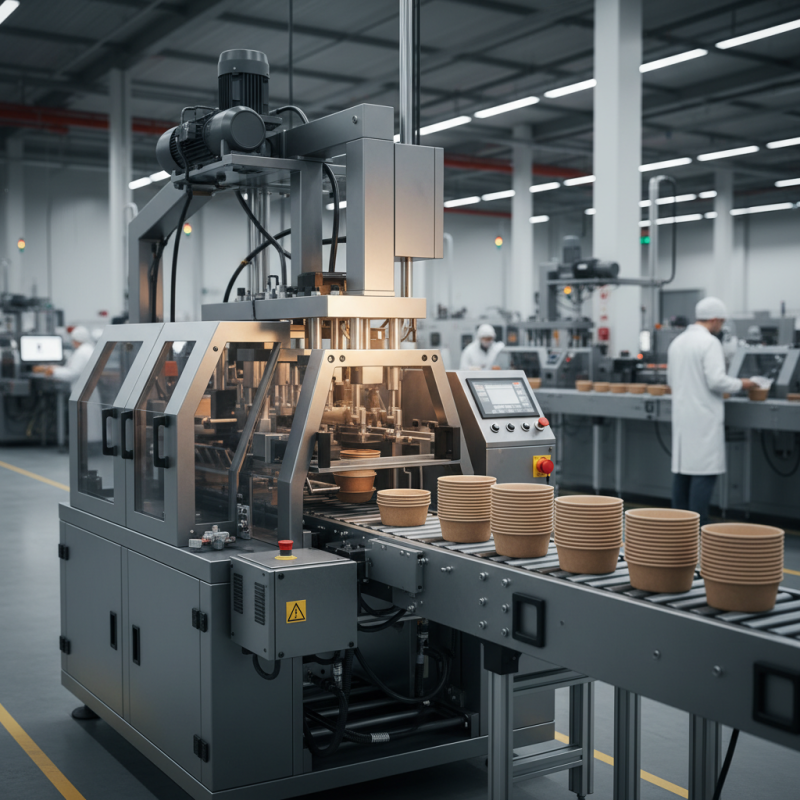
Top Tips for Choosing the Right Bowl Making Machine?

Understanding the Different Types of Bowl Making Machines

When exploring bowl making machines, it’s essential to understand the various types available. Generally, bowl making machines can be categorized into manual, semi-automatic, and fully automatic models. Manual machines require hands-on operation and are ideal for small batches. They allow for great customization but can be labor-intensive.

Semi-automatic machines strike a balance. They automate some processes while still requiring user input. This offers the advantage of efficiency without losing too much control over the final product. Fully automatic machines, on the other hand, operate independently. They are perfect for high-volume production but may limit customization options.

Consider your production needs carefully. What works for one factory may not suit another's requirements. Evaluate the machine's capacity, the level of automation desired, and your budget. Don’t overlook maintenance and support as well; a reliable service can make a significant difference in your long-term satisfaction. Ultimately, take the time to reflect on your specific needs before making a decision.

Evaluating Your Production Needs and Capacity Requirements

When evaluating your production needs for choosing a bowl making machine, consider your output requirements. Industry reports indicate that demand for various bowl sizes has surged by 25% over the past five years. Understanding your market will help tailor your machine selection.

Assess your capacity requirements thoughtfully. If you're starting small, a machine that produces 500 units daily might suffice. However, larger operations may need machines capable of 2000 units or more. Such decisions require analyzing production flows and demand forecasts.

Tip: Always factor in downtime during maintenance. A machine’s efficiency impacts overall productivity. Research suggests that unplanned downtime can lead to a 15% loss in annual output. Ensuring your machine is not just efficient but also capable of scale is crucial.

Be cautious about features you prioritize. Advanced technology often comes with increased complexity. The balance between automation and ease of use can be tricky. Always consider whether the high-tech options enhance production or create bottlenecks.

Key Features to Look for in a Bowl Making Machine

When selecting a bowl making machine, several key features should be at the forefront of your decision. First, consider the machine's production capacity. Statistical data reveal that machines with a higher capacity significantly boost efficiency. Look for models that can produce 20,000 to 40,000 bowls per hour. This range is optimal for mid-sized businesses aiming to scale operations.

Another critical aspect is the machine's versatility. A reliable bowl making machine should accommodate various materials. Machines that work well with plastics, biodegradable substances, and paper are essential as market demands evolve. According to a recent industry report, about 30% of manufacturers prefer machines that offer this flexibility, reflecting a trend toward sustainable materials.

Moreover, advanced automation features are indispensable. Machines equipped with user-friendly controls enhance productivity and reduce errors. A study found that automation can decrease labor costs by up to 25%. Nevertheless, not all automated models deliver the same reliability. Some units may experience software glitches or mechanical failures. It's vital to research customer reviews and consult industry experts before making a decision.

Assessing the Cost-Effectiveness of Different Models

When assessing the cost-effectiveness of bowl making machines, understanding their long-term benefits is crucial. Studies show that quality machines can last up to 15 years with proper maintenance. This longevity can lead to significant savings compared to cheaper, less durable options. According to industry reports, an investment in a reliable model can reduce operational costs by 20% annually.


Another key aspect is productivity. Efficient bowl making machines can produce up to 1,000 units per hour, while lower-end models may only manage 500. The increase in output can greatly affect revenue. Data from manufacturing research indicates that businesses using high-performance machines report a 30% increase in profit margins over time.


Yet, not all machines justify their price tags. Some features may seem enticing but offer little return on investment. It's essential to evaluate what is truly necessary for your production needs. Consider the total cost of ownership, including maintenance and repairs. This thorough analysis helps in making an informed decision. Balancing initial costs with potential long-term savings is a nuanced process, often requiring careful reflection on operational goals and market demands.

Considering Manufacturer Reputation and Customer Support Options

When selecting a bowl making machine, evaluating the manufacturer's reputation is crucial. A brand known for quality typically signals reliability. Look for companies with a history of producing durable and efficient machines. Customer testimonials can provide insights. Check online reviews from other users who highlight their experiences. These reviews often reflect long-term performance and support quality.

Customer support options play a vital role in your decision. Machines may require maintenance or troubleshooting. A responsive support team can save time and money. Investigate if they offer online resources or on-site assistance. Some manufacturers provide in-depth user manuals and video tutorials. This can be beneficial for training your staff effectively.

It's also essential to consider the machine's compatibility with your production needs. Sometimes, a highly-rated machine may not suit your specific tasks. A thorough understanding of your requirements can lead to better choices. Don't hesitate to reach out to manufacturers with questions. Their willingness to assist can indicate a commitment to customer satisfaction.

Top Tips for Choosing the Right Bowl Making Machine

Feature Importance Level (1-5) Considerations
Manufacturer Reputation 5 Research online reviews, industry certifications, and years in business.
Customer Support Options 4 Check availability of technical support, warranty terms, and service locations.
Machine Specifications 5 Evaluate power, capacity, and material compatibility.
Price Range 3 Compare prices while considering the overall value and features offered.
Energy Efficiency 4 Look for machines with energy-saving features and certifications.
Availability of Parts 4 Ensure that spare parts are easily obtainable for maintenance.
User Feedback and Case Studies 3 Look for testimonials and case studies from existing users.

Choose a global leader for your hydraulics solutions

How can we help you?

Call to 0034 943884600 Contact us
Call us Contact us

We use cookies to ensure that we give you the best experience on our website. If you continue without changing your settings, we'll assume that you agree to receive cookies on the HINE website. For more information read our cookie policy page, click the link for more information.plugin cookies

ACEPTAR
Aviso de cookies