Top Tips for Choosing the Right Hydraulic Gear Pump?
Choosing the right hydraulic gear pump is essential for optimal machinery performance. According to the latest industry statistics, the global market for hydraulic gear pumps is projected to reach $4 billion by 2026, driven by growing demand in construction and agriculture. Industry expert John Smith states, “Selecting the correct hydraulic gear pump influences operational efficiency and longevity.”
Hydraulic gear pumps are crucial in various applications. They provide controlled fluid flow and pressure to systems that require precise operation. However, choosing the right one can be challenging, given the vast options available. Key factors include compatibility with your system and required specifications. Missteps in selection can lead to costly downtime and reduced productivity.
Also, understanding the specifications of hydraulic gear pumps is not always straightforward. Manufacturers often provide limited guidance on performance benchmarks. Therefore, potential buyers need to be diligent. Consider seeking expert consultations, as a wrong choice can negatively impact overall system functionality. Though resources are available, many users still face obstacles in identifying their precise needs.
Understanding Hydraulic Gear Pumps: Key Functions and Applications
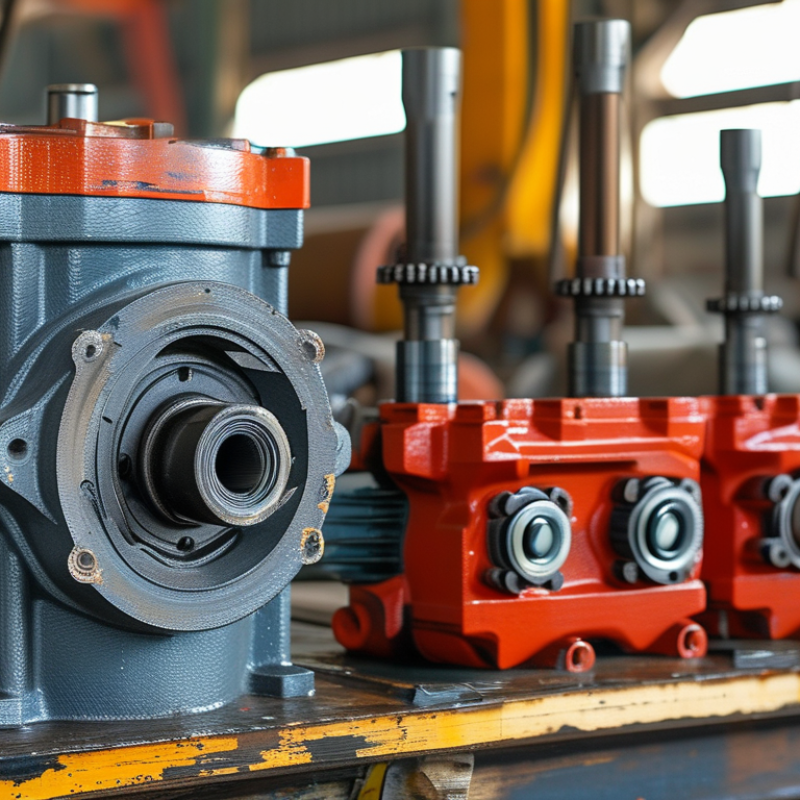
Hydraulic gear pumps play a crucial role in various industrial applications. They convert mechanical energy into hydraulic energy, providing necessary power to systems like construction equipment, manufacturing machinery, and agricultural tools. According to a report by the International Hydraulics Association, hydraulic systems account for nearly 30% of all machinery failures. Understanding the gear pump's key functions is vital to ensure reliable operation.
These pumps are widely recognized for their efficiency and durability. They can handle high pressure and deliver consistent flow rates. In industries like aerospace, hydraulic gear pumps facilitate precise movements, making them indispensable for actuator applications. Data from the Global Hydraulic Pump Market Report indicates an expected growth of over 5% annually in the hydraulic pump segment. Such statistics emphasize the importance of choosing the right pump for specific applications.
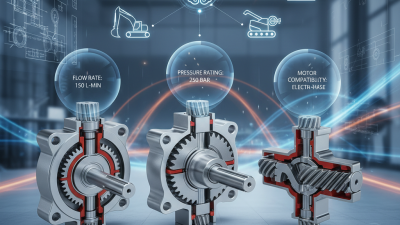
However, selecting an appropriate hydraulic gear pump is not always straightforward. Factors such as viscosity, flow rate, and pressure rating must be carefully considered. Miscalculations can lead to system inefficiencies or equipment failures. Real-world applications often show that inadequate pump selection results in increased maintenance costs and downtime. As industries evolve, it’s essential to keep pace with technological advancements in hydraulic gear pump design to ensure optimal performance.
Identifying the Performance Requirements of Your Hydraulic System
When selecting a hydraulic gear pump, understanding your system's performance requirements is crucial. Assess the flow rate and pressure needs. These factors directly impact your system's efficiency. For example, a construction site may require high flow rates for heavy machinery. Conversely, a compact application might need lower rates to preserve space.
Evaluate the viscosity of the hydraulic fluid in use. Fluid characteristics can affect pump selection. Thicker fluids may demand stronger pumps. Also, consider the pump’s speed. A mismatch can lead to inefficiencies. Regularly review these parameters to ensure continued suitability for your project.
Noise levels might also be a concern in urban areas. Hydraulic pumps can emit sounds that are disruptive. Ensure that the model you choose meets any noise regulations. Reflect on your specific environment and operations. This detailed consideration will help avoid future complications. Each choice reflects the demands of your system; ensure they align with real-world applications.
Evaluating Material Compatibility for Durability and Efficiency
When selecting a hydraulic gear pump, evaluating material compatibility is crucial. The materials used in pump construction impact durability significantly. For example, certain metals exhibit excellent resistance to corrosion, prolonging the lifespan of the pump in harsh environments. Materials like aluminum or stainless steel can enhance reliability under high pressure. Understanding these attributes helps in making informed decisions.
However, not all materials are perfect. Some may react poorly with specific fluids. This incompatibility can lead to wear and tear, causing leaks or failures. It’s essential to consider the fluid type, temperature, and pressure when assessing potential materials. A pump made with the wrong materials can result in costly downtime and safety risks.
Testing materials under real-world conditions may reveal weaknesses not apparent in controlled environments. Regularly monitoring the pump's performance and conducting checks can prevent unforeseen issues. Real-world experience often highlights the need for flexibility in material choice, adapting to changing operational conditions. This practice ultimately supports efficiency and performance.
Sizing and Flow Rate Considerations for Optimal Performance
Choosing the right hydraulic gear pump requires careful consideration of sizing and flow rate. These two factors directly influence performance and efficiency. A pump that is too large can waste energy. Conversely, one that is too small may fail to deliver the necessary force.
Flow rate is crucial. It measures how much hydraulic fluid the pump can move in a given time. Proper calculation ensures that machinery operates smoothly. Actual performance can vary based on system needs. Systems with sudden demands may require higher flow rates momentarily, complicating the selection process.
Take time to analyze your system’s requirements. Understand the various applications for your pump. Are you working with a heavy load or lighter tasks? Make adjustments as needed. Data sheets often provide helpful information, but sometimes, the numbers do not tell the full story. Listening to experienced users can provide insights that charts cannot offer. Always verify specifications against real-world performance. This diligence can prevent costly mistakes.
Top Tips for Choosing the Right Hydraulic Gear Pump
| Pump Type |
Displacement (cc/rev) |
Max Flow Rate (L/min) |
Operating Pressure (bar) |
Efficiency (%) |
| Gear Pump A |
3.2 |
24 |
200 |
85 |
| Gear Pump B |
4.5 |
30 |
250 |
80 |
| Gear Pump C |
5.0 |
36 |
300 |
90 |
| Gear Pump D |
2.8 |
21 |
180 |
82 |
Choosing Between Fixed and Variable Displacement Gear Pumps
When selecting between fixed and variable displacement gear pumps, consider your application requirements. Fixed displacement pumps deliver a constant flow rate. They are efficient for simple systems with steady demands. However, they may waste energy if your system requires variable flow.
Variable displacement pumps offer flexibility. They adjust the flow based on system needs. This adaptability can be valuable in complex machinery. However, they are often more complicated and can lead to higher maintenance needs. Evaluate your operational efficiency against these potential downsides.
Too often, users overlook the significance of these distinctions. A fixed pump might suffice for basic tasks, yet could become inefficient in dynamic settings. On the contrary, a variable pump may provide versatility but could lead to unnecessary complexity. Think carefully about your long-term operational goals before making a choice.