Top 10 Types of Chrome Iron Furnaces for Buyers
Choosing a furnace for chrome iron production is a practical decision, not just a search for the largest capacity. A Chrome Iron Furnace must match the charge materials, target output, available power, and operating routine. Small differences matter. Furnace designs can vary in heating method, structure, batch size, and level of process control, so labels alone rarely tell the full story.
This guide introduces ten furnace types buyers may encounter and explains what distinguishes them. It considers operating principles, typical production needs, energy use, maintenance access, and installation requirements. Buyers should compare technical specifications with their own process conditions. Ask suppliers for relevant performance data, refractory service information, and references from comparable applications. A polished brochure can be useful, but it is not proof of performance. Details matter.
No single design is best for every plant. A high-capacity option may increase output, yet place greater demands on power, cooling, or maintenance planning. A simpler unit may suit a smaller operation, but offer less flexibility as production needs change. Even a well-written specification can leave gaps; I would check how quoted figures were measured and what assumptions they depend on. The following overview is intended to help buyers ask clearer questions, spot trade-offs, and shortlist suitable equipment before requesting a detailed engineering review.
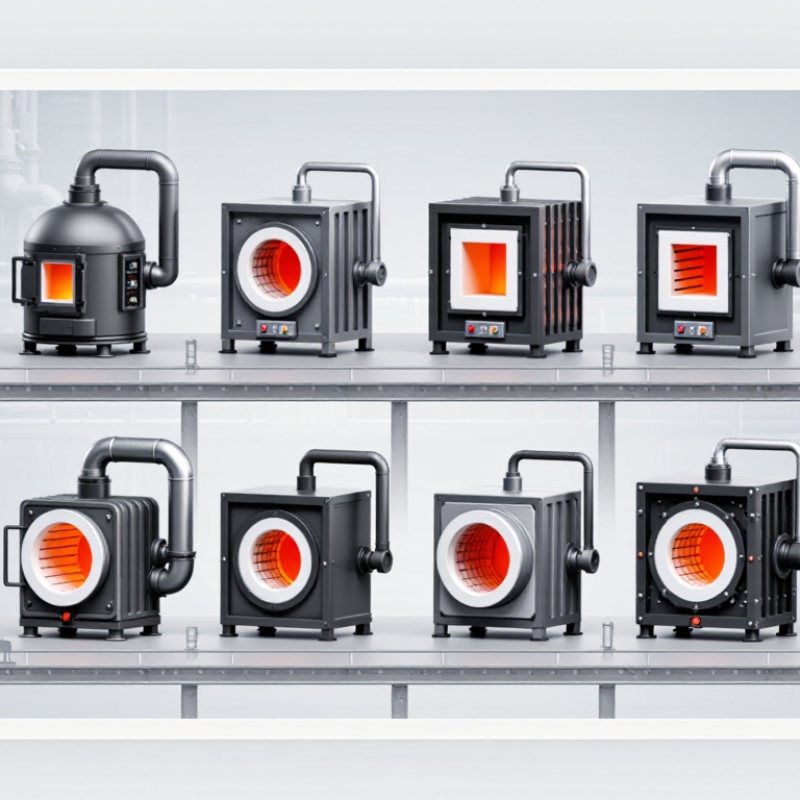
How Chrome Iron Furnaces Are Classified
How Chrome Iron Furnaces Are Classified
Chrome iron furnaces are best classified by heat source, furnace design, and operating pattern. Buyers may encounter coreless or channel induction furnaces, electric arc furnaces, cupolas, rotary furnaces, crucible furnaces, and fuel-fired reverberatory units. These names describe different features, so lists of “top ten” types can overlap. A gas-fired rotary furnace, for example, is classified by both fuel and structure. A tidy ranking can mislead.
The USGS Mineral Commodity Summaries 2024 estimated world chromite mine production at about 41 million metric tons in 2023. That figure describes ore supply, not furnace performance, but it highlights why charge chemistry and chromium recovery deserve close attention. For an actual comparison, check melting capacity, temperature control, refractory compatibility, power or fuel demand, and how consistently the furnace handles the intended charge.
Watch the melt. A small difference in operating practice can affect slag volume and alloy composition. The U.S. Department of Energy’s 2022 Manufacturing Energy Consumption Survey also provides useful context on manufacturing fuel and electricity use, though it does not rank chrome iron furnace types. No single classification answers every buyer’s needs; the final choice still depends on production scale and the foundry’s process data.
The Ten Main Furnace Types by Heating and Smelting Method
Chrome-iron furnace selection depends on ore grade, reductant, power supply, and the required alloy carbon level. The main configurations include closed, semi-closed, and open-top submerged-arc furnaces; AC and DC arc furnaces; and plasma-arc furnaces. These use electrical heat, though electrode arrangement and gas handling differ. Heat matters. Blast furnaces use combustion and a hot air blast, while rotary-kiln/electric-furnace and shaft-furnace/electric-furnace routes combine pre-reduction with final electric smelting. Induction furnaces suit melting or refining prepared alloy, but are generally not the primary choice for reducing raw chromite ore. Not interchangeable.
A weak point in simple furnace rankings is that several labels describe operating design or process stages, not wholly separate furnace families. Buyers should compare metal recovery, power consumption per tonne, electrode use, slag chemistry, and dust capture under the same feed assumptions. The International Energy Agency’s Iron and Steel Technology Roadmap reports that the sector produced about 2.6 gigatonnes of direct CO2 emissions in 2019, underscoring why energy source and efficiency matter. For market context, worldstainless reported 58.4 million tonnes of stainless-steel production in 2023, a major end-use market for chromium alloys. These figures do not predict an individual plant’s furnace performance; ore and operating data are still needed. A small but important detail: tapping temperature and slag flow can change with feed moisture, so laboratory tests should inform final selection.
Furnace Choices by Capacity and Operating Mode
Furnace choices for chrome iron depend on batch size, melt schedule, and the level of composition control required. Small crucible furnaces can suit trials or occasional batches, while medium-capacity induction units support repeatable melts and quick changes between grades. Larger electric arc furnaces handle heavy charges, but need suitable power supply, extraction, and trained operators. Capacity figures vary by alloy density and charge practice, so buyers should compare usable melt capacity, not just the furnace’s nominal rating. Small batches matter.
Operating mode changes the production rhythm. Batch furnaces allow operators to inspect each melt and adjust the charge, though downtime between heats can reduce output. Continuous or near-continuous systems may suit steady demand, but they require reliable material flow and tighter scheduling. Some foundries consider cupola or rotary designs for particular workflows; suitability depends on alloy targets, fuel, refractory life, and emissions controls. Ask suppliers for operating data using a comparable chrome iron grade.
Capacity tables look tidy; real production rarely is. A furnace sized only for peak demand may run inefficiently on ordinary shifts. Buyers should check heat time, holding performance, energy use per tonne, and maintenance access. Also confirm how samples are taken and temperatures are measured. A modest reserve can help with variable charge weights, but excessive spare capacity may cost more than it saves.
Top 10 Chrome-Iron Furnace Options: Capacity Class and Operating Mode
A qualitative comparison of common smelting configurations and secondary melting options. Capacity classes are relative planning bands, not rated production capacities.
Submerged-arc furnaces (SAFs) are used in ferrochrome smelting; open, semi-closed, and closed describe their enclosure modes, while preheating and pre-reduction describe feed preparation. Actual capacity depends on furnace rating, feed, reductant, and plant design. Induction and electric-arc remelting are secondary melting operations, not primary chromite-reduction routes.
How Buyers Compare Efficiency, Cost, and Site Requirements
Buyers comparing chrome iron furnaces should look beyond rated capacity. An induction furnace offers close temperature control and suits frequent alloy changes, but its electricity demand may raise operating costs. An electric arc furnace can handle large, hot melts; it also needs substantial power, cooling, and floor space. A cupola supports continuous production, though fuel use and chemistry control may complicate small, varied batches. No type wins in every foundry.
Compare energy use per tonne of saleable metal, not just the furnace’s nameplate rating. Ask suppliers for data based on your charge mix, target temperature, and expected batch size. Then check transformer capacity, foundation loads, ventilation, cooling water, refractory storage, and space for safe material handling. For chrome iron, stable chemistry and controlled melting conditions matter because chromium losses can affect the final composition. Numbers need context. A tidy payback estimate can still miss downtime, maintenance, or local utility charges.
Tips: Request a site layout and a sample energy calculation before choosing. Measure the charging route and available headroom. Small oversight, big cost. If production varies by season, test the comparison with both peak and low-volume schedules.