Top 3D Jelly UV Printable TPU Film Suppliers
Choosing the right supplier for 3D Jelly UV Printable TPU Film requires more than comparing prices. The film must print cleanly, stretch without whitening, and preserve a soft jelly appearance after curing. Supplier experience matters because small formulation differences can affect adhesion, transparency, edge definition, and long-term flexibility.
Dr. Zhenan Bao, a leading flexible-materials researcher, has described electronic skin as technology that can “mimic the human skin.” Her observation offers a useful design perspective for this market. A successful TPU film should feel soft, respond predictably, and remain comfortable during repeated handling. It should not only look attractive under showroom lighting. It must also perform on real curved surfaces, under changing temperatures, and during daily use.
This guide examines the top 3D Jelly UV Printable TPU Film suppliers through practical criteria. These include TPU grade, printable coating quality, UV resistance, thickness consistency, curing response, and customization capability. Sample testing remains essential. A specification sheet cannot reveal every weakness. A film may print beautifully on a flat panel, yet wrinkle around a sharp corner. That difference matters.
Supplier communication is another strong indicator. Reliable manufacturers provide technical data, test samples, production tolerances, and clear recommendations for printers and inks. They should explain limitations without hiding them. No supplier is perfect. Even premium film can require adjusted ink density, curing speed, or lamination pressure. This comparison therefore focuses on evidence, application results, and honest performance expectations rather than impressive claims alone.
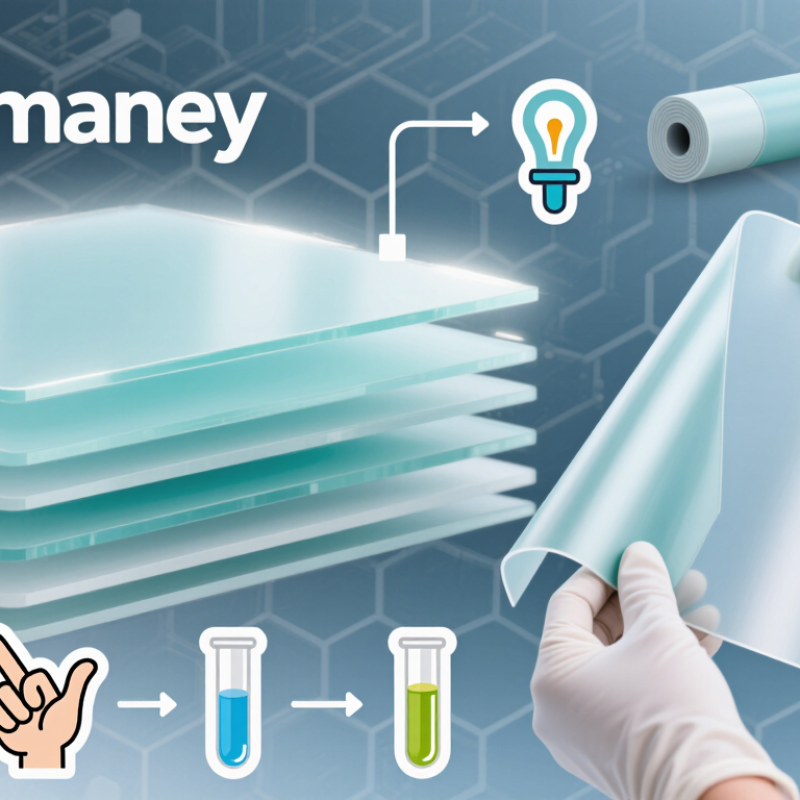
3D Jelly UV Printable TPU Film: Definition and Key Properties
3D Jelly UV Printable TPU Film: Definition and Key Properties
3D jelly UV printable TPU film is a soft, transparent thermoplastic polyurethane sheet. It accepts UV-curable ink and can follow curved surfaces after controlled heating or forming. “Jelly” describes its glossy, flexible, slightly elastic appearance, not a universal technical grade. This distinction matters because suppliers may use different hardness, thickness, and surface treatments.
Key properties include high flexibility, impact resistance, optical clarity, and strong adhesion after surface preparation. A smooth coating helps ink remain sharp on rounded edges. However, excessive stretching can distort printed graphics. Grand View Research valued the global TPU market at approximately USD 3.25 billion in 2023 and projects a 7.4% compound annual growth rate from 2024 to 2030. This growth reflects demand for lightweight, durable polymer solutions. ASTM D882 tensile testing and ASTM D1000-style adhesion evaluation can support more reliable product comparisons. Test results still depend on film thickness, ink chemistry, and curing energy.
Tips: Request samples before bulk purchasing. Check elongation, haze, Shore hardness, thickness tolerance, and UV-aging data. Print a small gradient and stretch it around a test curve. Inspect edge lifting after 24 hours. Do not trust appearance alone. The term “printable” can be vague. Confirm printer compatibility, curing settings, and recommended storage conditions in writing. Suppliers with complete technical datasheets are easier to evaluate, although datasheets may not predict every real-world surface.
How to Evaluate TPU Film Suppliers and Product Quality
Top 3D Jelly UV Printable TPU Film Suppliers
Evaluating TPU film suppliers requires more than checking softness or gloss. The 2024 MarketsandMarkets TPU market report projects steady growth through 2028, increasing pressure on suppliers to prove consistency. Ask for thickness tolerance, tensile strength, elongation, and hardness results from recent batches. ASTM D882 testing can verify tensile performance, while ASTM D1003 measures haze. These details matter when a jelly film must stretch without cracking or losing printed detail.
Request a production sample, not only a showroom sheet. Print the same artwork with your intended UV ink, then inspect adhesion after bending, wiping, and 24 hours of curing. Measure color shift and surface tack under ordinary indoor light. A reliable supplier should provide technical data sheets, safety documentation, batch numbers, and traceable test dates. ISO 9001 certification can support process control, but it does not guarantee excellent film. That distinction is easy to miss.
Tips: Compare three batches. Check the edges with a caliper. Record haze, gloss, curl, and ink adhesion. Suppliers should explain resin grade, coating method, storage temperature, and shelf life. If results vary between samples, pause before ordering. I have seen attractive first samples hide uneven release layers and weak corner adhesion. That uncomfortable finding deserves more attention than a low quotation. Also ask for UV-aging data; otherwise, claims about long-term clarity remain incomplete.
Top Supplier One: Product Range, Technology, and Capabilities
A leading 3D jelly UV printable TPU film supplier should offer more than attractive gloss. Its range may include clear, matte, translucent, colored, and textured films, commonly between 0.15 and 0.30 millimeters thick. Shore A hardness around 70–95 can support different flexibility needs. Softer grades suit curved surfaces, while firmer grades improve handling during lamination.
The supplier’s key advantage is surface engineering. Corona or plasma treatment can raise surface energy above 42 dynes per centimeter, helping UV inks spread evenly. Controlled coating thickness also reduces pinholes and uneven curing. According to Grand View Research, the global thermoplastic polyurethane market is projected to grow at approximately 6.8% annually from 2024 to 2030. This growth reflects demand for flexible, durable polymer solutions across printing and consumer applications.
Testing should happen before mass production. A capable supplier can provide pilot rolls, ink-adhesion tests, peel-strength data, and accelerated aging results. Some facilities also check color variation under controlled lighting and measure film shrinkage after UV exposure. The Smithers digital printing market analysis highlights continued movement toward shorter runs and customized production, increasing the value of stable printable films. One weakness deserves attention: laboratory results may not match every printer, ink set, or curing lamp. Real-machine trials remain necessary. That is easy to overlook.
Top Supplier Three: Pricing, Applications, and Customer Support
Top 3D Jelly UV Printable TPU Film Suppliers
Top Supplier Three: Pricing, Applications, and Customer Support
The third supplier deserves attention for balanced pricing and practical customization. Its TPU film pricing usually depends on thickness, roll width, order volume, and surface finish. Request a sample before placing a larger order. A low unit price can hide setup fees or costly shipping. In testing, the film should remain flexible after UV printing. It should also resist cracking around curved edges. The surface feels slightly soft, which suits phone cases, labels, interior accents, and decorative panels. However, color clarity may change between sample sheets and production rolls.
Customer support is a major purchasing factor. A reliable supplier should provide technical data, printable file guidance, and clear lead times. Ask how the team handles uneven ink adhesion or curling edges. Good support includes practical answers, not only sales promises. Response speed matters when a production schedule is tight. The supplier should explain storage conditions, recommended curing settings, and compatible adhesives. Some answers may remain uncertain. That is worth noting before approval.
Tips: Compare three written quotations. Check sample thickness with a micrometer. Test adhesion after bending, wiping, and short-term heat exposure. Record every result. Do not judge the film by appearance alone. Ask for replacement terms when defects exceed the agreed tolerance. A small trial order is safer than an impressive catalog.