

In the ever-evolving machinery market, angular miter gears play a crucial role in enhancing efficiency and productivity. According to a recent report by MarketsandMarkets, the global gear market is projected to reach $256 billion by 2026, underscoring the importance of components like angular miter gears in various industries. These gears are vital for applications requiring space-saving solutions and high torque transmission.
Choosing the right angular miter gears can be daunting. There are many options available, each suited for different business needs. Industry insights reveal that manufacturers often overlook quality, opting only for cost-effective solutions. This could lead to inefficiencies and increased maintenance costs. Understanding the specifications of angular miter gears—such as gear ratios and materials—can significantly impact performance.
As businesses strive for alignment and precision, selecting top-performing angular miter gears is essential. Those who prioritize high-quality gears often experience a marked improvement in operational reliability. However, it is necessary to assess the long-term value versus initial costs. Making careful selections can mean the difference between increased productivity and unforeseen downtimes.
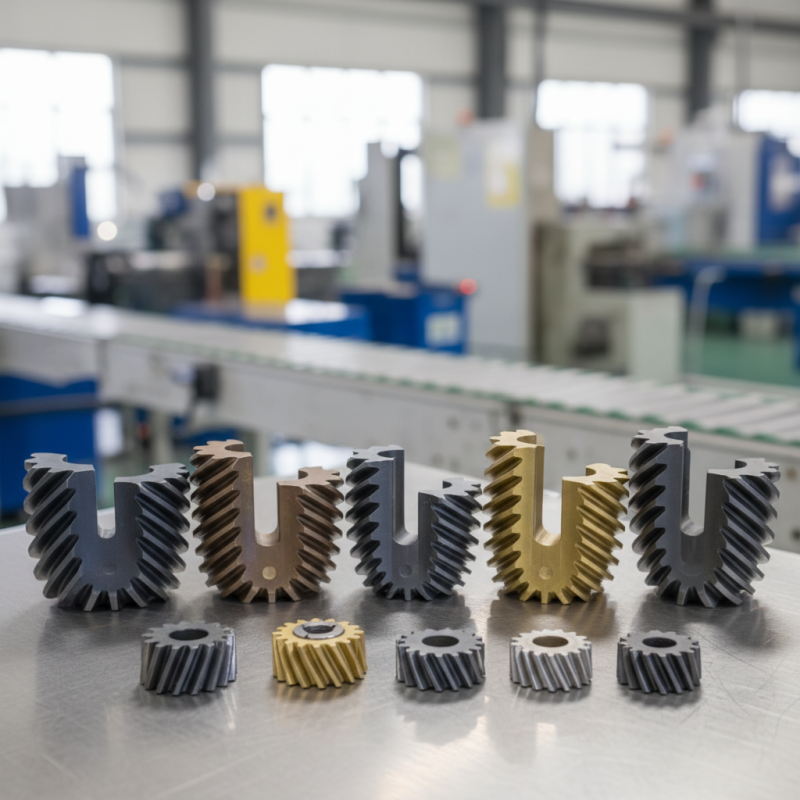
When selecting angular miter gears for your business, specific characteristics are crucial. Efficiency is paramount. Look for gears that can transmit power smoothly. Precision in manufacturing ensures the gears fit well together. Poor fit leads to wear and reduced lifespan.
Durability plays a vital role too. High-quality materials can withstand heavy loads. Steel and aluminum are common choices. However, some lower-grade materials may not perform as expected. Testing and certifications can provide insights into their reliability. Ball bearings are another aspect to consider. They reduce friction and improve performance.
The gear design should meet industry standards. Compliance ensures compatibility with other machinery. Efficiency ratings can also guide your choice. Inefficient gears increase energy costs over time. Always analyze the specifications carefully to make an informed decision. A few extra considerations are worth pondering. Are the gears easy to maintain? Do they have a proven track record in your field? These aspects matter in the long run.
| Gear Type | Material | Ratio | Torque Capacity (Nm) | Efficiency (%) | Weight (kg) |
|---|---|---|---|---|---|
| Standard Angular Miter Gear | Steel | 1:1 | 150 | 95 | 2.5 |
| High Torque Miter Gear | Aluminum | 2:1 | 200 | 90 | 3.0 |
| Compact Miter Gear | Plastic | 1.5:1 | 100 | 85 | 1.2 |
| Heavy Duty Miter Gear | Carbon Steel | 2.5:1 | 250 | 92 | 4.5 |
| Precision Miter Gear | Bronze | 1:1 | 120 | 96 | 2.0 |
| Low Backlash Miter Gear | Nylon | 1.75:1 | 80 | 88 | 1.5 |
| Corrosion Resistant Miter Gear | Stainless Steel | 1:2 | 180 | 93 | 3.2 |
| Lightweight Miter Gear | Aluminum Alloy | 1:1.5 | 90 | 89 | 1.8 |
| Standard Drive Miter Gear | Cast Iron | 1:3 | 160 | 91 | 3.6 |
| Variable Speed Miter Gear | Polycarbonate | 1:4 | 70 | 87 | 1.0 |
When comparing different types of angular miter gears, it's essential to consider their unique features and applications. Angular miter gears come in various designs, including bevel gears and hypoid gears. Bevel gears typically offer a direct 90-degree drive in a compact space, making them popular for many business applications. They excel in speed and torque transmission, providing reliable performance in dynamic environments.
Hypoid gears, on the other hand, have a unique design that allows for smoother operation due to their sliding contact. This feature reduces wear and increases longevity, making them suitable for heavy-duty applications. However, hypoid gears often come at a higher cost. Businesses must weigh the initial investment against the long-term benefits based on their specific operational needs.
It's crucial to recognize that not all miter gears are equal. Each type has its strengths and drawbacks. Understanding these can lead to better decisions for your business. For instance, while bevel gears may fit easily into tighter spaces, they might not handle high shock loads effectively. In contrast, hypoid gears provide excellent torque but require more significant initial investment. Balancing these factors can be challenging, yet it is vital for optimal performance and resource allocation.
Angular miter gears play a crucial role in various industries by facilitating precise angular motion. These gears are essential in applications where space is limited. They enable the transmission of power between non-parallel shafts, making them invaluable in machinery design. In manufacturing, for instance, they are used in conveyor systems. These systems require reliable angles for optimal performance.
In the automotive industry, angular miter gears help in steering systems. They ensure smooth transitions while maintaining tight turning radii. This is vital for both performance and safety. In robotics, these gears contribute to articulation in robotic arms. Their design aids in achieving complex movements.
Despite their advantages, challenges exist. The installation process requires precision. Improper alignment can cause premature wear. Regular maintenance is critical to ensure longevity. Since failures can lead to significant downtime, focusing on quality and reliability is essential. Selecting the right materials for these gears can also be crucial. Choices range from plastic to metal, each presenting its own pros and cons.
Choosing the right angular miter gears for your business can be a daunting task. It’s essential to consider brands that have proven reliability and expertise in the industry. Many reputable manufacturers focus on precision engineering and robust construction. They ensure their gears withstand the rigors of various applications. High-quality gears can significantly improve operational efficiency and reduce downtime.
When evaluating brands, assess their experience in gear manufacturing. A company with years of experience often provides better customer support and product warranties. Look for brands that prioritize innovation and offer a range of options. Some specialize in lightweight designs, while others focus on heavy-duty applications. User reviews can also provide insights into how their products perform in real-world scenarios.
However, not all brands are created equal. Some may have flashy marketing but lack in performance. It's important to learn from past experiences or feedback. A gear that seems perfect on paper might not meet specific business needs. Always consider testing options before making a significant investment. Balancing quality with cost is crucial for long-term success.
Maintaining angular miter gears is crucial for optimal performance. Regular checkpoints can extend their lifespan significantly. Start by ensuring that gears are properly lubricated. Choosing the right lubricant can make a difference. Not all lubricants are suitable. It can be challenging to find the best fit for specific applications.
Frequent inspection is another key element. Look for visible wear or unusual noises during operation. Any signs of misalignment should prompt immediate action. It might seem trivial, but small adjustments can prevent larger issues. Dust and debris can also affect performance. Keeping the gears clean is essential. Clean them regularly with the right tools.
Proper storage extends the life of angular miter gears too. Store them in a dry environment. Humidity can cause corrosion, which is often overlooked. It’s not just about immediate use. Consider the long-term impact of neglecting these details. Even with the best gears, poor maintenance leads to failures. Balancing performance with care is challenging yet necessary.
How can we help you?
Call to 0034 943884600 Contact usWe use cookies to ensure that we give you the best experience on our website. If you continue without changing your settings, we'll assume that you agree to receive cookies on the HINE website. For more information read our cookie policy page, click the link for more information.plugin cookies
ACEPTAR