

Top 10 Benefits of Zinc Die Casting for Global Buyers?

Zinc Die Casting is a prominent manufacturing process used globally. It involves injecting molten zinc into molds, allowing for high precision and rapid production. According to recent industry reports, the zinc die casting market is projected to grow significantly, with a CAGR of over 5% from 2021 to 2026. This growth reflects the increasing demand for lightweight and corrosion-resistant materials.

The advantages of Zinc Die Casting are numerous. It provides excellent dimensional accuracy and surface finish. Moreover, it supports complex geometries, making it ideal for various industries, including automotive and electronics. Yet, it is essential to recognize that not all applications may benefit equally. Some designs may face limitations in terms of strength under extreme conditions, which requires careful consideration.

Despite its benefits, challenges exist. The initial investment in tooling can be high. Additionally, companies must ensure efficient processes to minimize waste and maximize sustainability. However, when done correctly, Zinc Die Casting can lead to substantial cost savings and enhanced product performance. Ultimately, understanding these nuances can empower buyers to make informed decisions in their manufacturing processes.
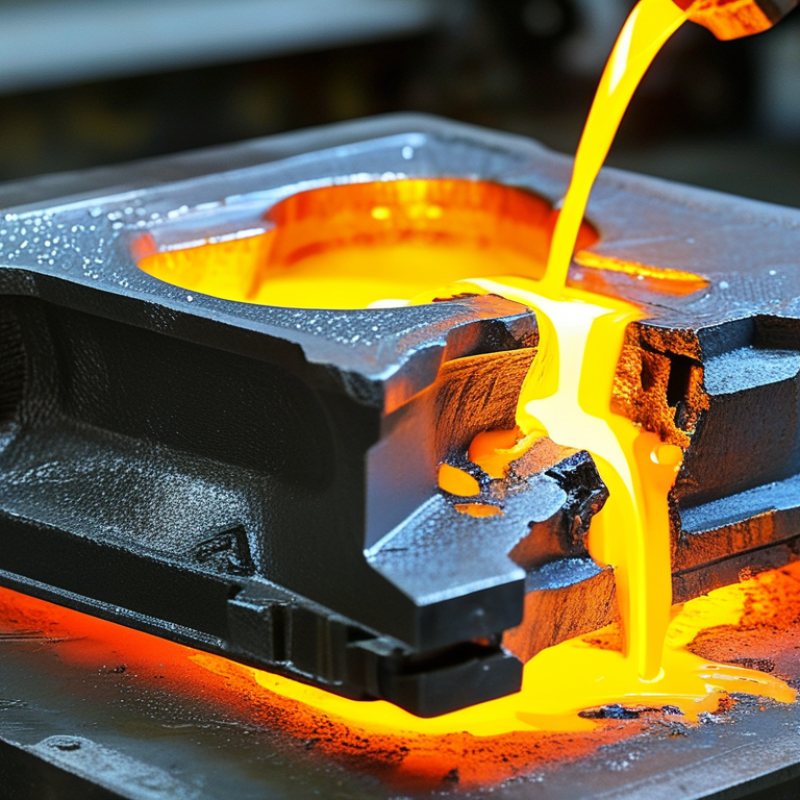
Top 10 Benefits of Zinc Die Casting for Global Buyers?

Understanding Zinc Die Casting: A Brief Overview

Zinc die casting is a manufacturing process that involves molten zinc being injected into a mold. This process creates precise and durable parts used in various applications. It allows for complex designs and efficient production rates. Buyers around the globe appreciate the versatility of zinc die casting, along with its cost-effective benefits.

One notable advantage is zinc's resistance to corrosion. This property extends the lifespan of components, making them ideal for outdoor applications. Additionally, zinc die casting provides excellent dimensional stability, ensuring parts remain true to specifications. However, achieving such precision requires skilled operators and high-quality molds. There is a need for continuous improvement in machinery and techniques to avoid issues during production.

Flexibility is another appealing feature. Manufacturers can produce large volumes at a lower cost. Yet, this flexibility can lead to challenges in quality control. Variability in the material properties may occur if not monitored closely. This underscores the importance of rigorous testing processes to ensure reliability in the final products. Such steps are vital for buyers looking for dependable components in their projects.

Cost-Effectiveness of Zinc Die Casting for Buyers

Zinc die casting offers significant cost-effectiveness to buyers. This process produces durable and lightweight components in various shapes. The intrinsic properties of zinc contribute to lower production costs. It requires less energy compared to other metals. This efficiency directly reduces operational expenses for manufacturers.

Moreover, zinc die casting minimizes waste. The precision of the casting process ensures optimal material usage. Less scrap means lower costs and a reduced environmental impact. The fast production cycle further enhances its appeal for buyers. Short lead times enable quicker market entry for new products.

However, some may find the initial setup costs daunting. Investing in high-quality molds can be expensive. Buyers must weigh these costs against long-term savings. Reflecting on these factors is important. The key is to consider the overall value zinc die casting brings to the table.

Top 10 Benefits of Zinc Die Casting for Global Buyers

The following chart illustrates the key benefits of zinc die casting from a global buyer's perspective, emphasizing cost-effectiveness, durability, and versatility.

Durability and Strength: Advantages of Zinc Parts

Zinc die casting offers significant advantages, especially in terms of durability and strength. Zinc parts can withstand high stress and strain, making them ideal for various applications. These parts exhibit excellent corrosion resistance, ensuring longevity even in harsh environments. The inherent properties of zinc allow for thinner walls in designs, reducing material usage while maintaining robustness.

Moreover, zinc components can endure high temperatures without losing their structural integrity. This resilience translates to fewer replacements and lower maintenance costs for manufacturers. However, it's essential to consider that while zinc is strong, it may not be suitable for all environments. Certain chemicals can react negatively, potentially diminishing its effectiveness.

Additionally, the casting process itself contributes to the quality of these parts. It ensures precise dimensions and smooth surfaces. Yet, variations in the casting process can lead to inconsistencies. Close attention to quality control is necessary to minimize these issues, ultimately enhancing the overall reliability of zinc die-cast products.

Top 10 Benefits of Zinc Die Casting for Global Buyers

Benefit Description Impact on Buyers
Durability Zinc die cast parts have excellent resistance to wear and corrosion. Reduced replacement costs and longer product life.
Strength High tensile strength allows for the creation of strong components. Increased reliability in high-stress applications.
Complex Shapes Ability to produce intricate designs without losing structural integrity. Greater design flexibility for innovative products.
Cost-Effectiveness Low tooling costs and reduced processing times. Lower production costs translate to competitive pricing.
Recyclability Zinc is a recyclable material, reducing environmental impact. Attractive for companies focused on sustainability.
Surface Finish Produces a smooth surface that requires minimal finishing. Enhanced appearance and reduced finishing costs.
Dimensional Accuracy Tight tolerances can be achieved consistently. Improved performance in assembly and functionality.
Heat Resistance Zinc die cast components withstand higher temperatures effectively. Broader application possibilities in thermal environments.
Lightweight Lower density compared to other metals allows for lighter products. Enhanced energy efficiency for transportation.
Quick Production High-speed production rates reduce overall lead times. Faster time-to-market for new products.

Design Flexibility and Precision in Zinc Die Casting

Zinc die casting offers remarkable design flexibility, appealing to a wide range of industries. This process allows for intricate shapes that might be challenging with other manufacturing methods. Designers can create complex geometries while maintaining tight tolerances. This precision is vital for components that require exact fit and function.

One interesting aspect is the ability to use thinner walls. Designers can reduce material costs without sacrificing strength. However, achieving the right balance between wall thickness and durability can be tricky. Some products may face issues if the design is too ambitious. Engineers must constantly assess these factors to avoid potential failures in performance.

Moreover, zinc die casting can create features like ribs and bosses directly within the part. These can enhance assembly processes and eliminate additional components, which saves time and costs. Nevertheless, it’s crucial to ensure these features do not compromise the part's integrity. Regular testing and iteration improve outcomes. Adapting to feedback during the design phase is essential for success. Through continuous refinement, manufacturers can harness the full potential of zinc die casting.

Sustainability and Eco-Friendliness of Zinc Die Casting Processes

Zinc die casting has gained attention for its sustainable processes. This eco-friendly method uses zinc alloys, which are highly recyclable. Studies show that up to 90% of zinc can be recovered and reused. This circular economy approach reduces waste and conserves valuable resources.

The energy consumption in zinc die casting is notably lower compared to other metal casting processes. It requires about 30% less energy than Aluminum Die Casting. This lower energy demand translates into reduced greenhouse gas emissions. A report by the International Zinc Association highlights that zinc’s processing emits significantly fewer pollutants. Such data strengthen the case for its eco-friendliness.

While zinc die casting offers many benefits, some challenges remain. The initial setup costs can be higher. Companies must also ensure proper recycling mechanisms. It’s essential to balance the sustainability aspects with cost-effectiveness. Industry players need to continually assess their practices. Insights will drive improvements in sustainability while maintaining quality.

Choose a global leader for your hydraulics solutions

How can we help you?

Call to 0034 943884600 Contact us
Call us Contact us

We use cookies to ensure that we give you the best experience on our website. If you continue without changing your settings, we'll assume that you agree to receive cookies on the HINE website. For more information read our cookie policy page, click the link for more information.plugin cookies

ACEPTAR
Aviso de cookies