Top Electric Furnace Transformer Manufacturers?
Choosing among the top Electric Furnace Transformer manufacturers requires more than comparing name recognition or quoted prices. These transformers face severe operating conditions, including rapid load changes, high short-circuit forces, harmonic currents, and intense thermal cycling. A reliable manufacturer must understand the furnace process, not merely assemble a standard transformer.
John J. Winders Jr., a recognized power-transformer author and engineer, described a transformer as “a static device that transfers electrical energy from one circuit to another through electromagnetic induction.” His definition is simple, but furnace service makes the application demanding. In practice, buyers should examine transformer impedance, rated capacity, cooling design, insulation strength, tap-changer performance, and proven short-circuit resistance. Factory testing also matters. So does after-sales support.
The strongest manufacturers usually provide customized engineering, documented quality controls, and service teams familiar with steel mills, foundries, and electric arc furnaces. They should explain expected losses, temperature rise, maintenance intervals, and protection settings clearly. Independent certifications and project references can strengthen confidence, but they are not complete proof. A famous brand may still be unsuitable for a particular furnace profile.
Real operating data matters most.
This guide will compare leading manufacturers through technical capability, manufacturing experience, delivery reliability, customization, and lifecycle support. The comparison cannot eliminate every uncertainty. Site conditions, grid stability, operator practices, and future production changes can alter transformer performance. That limitation deserves attention. A careful decision combines supplier evidence with an application-specific engineering review.
Definition and Role of Electric Furnace Transformers
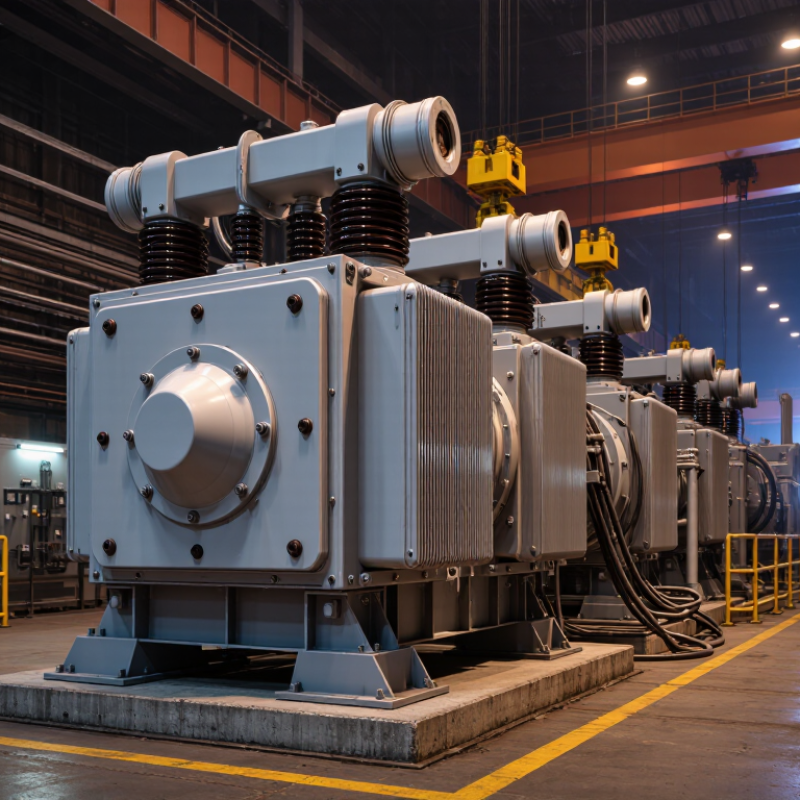
An electric furnace transformer is a specialized power transformer for arc and resistance furnaces. It receives medium- or high-voltage electricity and delivers low voltage at extremely high current. This conversion creates the electrical conditions needed to melt steel, copper, and other materials.
The transformer must withstand repeated short circuits, voltage swings, and severe thermal stress. That part matters. Tap changers, impedance control, cooling systems, and harmonic management help stabilize furnace operation. They also reduce stress on electrodes, busbars, and the upstream grid. The World Steel Association’s World Steel in Figures 2024 reports that electric arc furnaces produced about 29% of global crude steel in 2023. This figure explains why furnace-transformer performance deserves careful attention.
The International Energy Agency identifies iron and steel as responsible for roughly 7% of global energy-related emissions. Better transformer efficiency can therefore support lower electrical losses, although it cannot solve the entire emissions problem. Manufacturer comparisons should examine short-circuit strength, cooling design, maintenance access, noise, and service records. A high nameplate rating alone proves little. Field conditions often expose weaknesses that laboratory specifications hide. The boundary is not always clean. Transformer reliability also depends on furnace controls, operating schedules, and power-quality conditions. Each installation needs measured data, not assumptions.
Key Criteria for Evaluating Leading Manufacturers
Top Electric Furnace Transformer Manufacturers?
Choosing a leading electric furnace transformer manufacturer requires more than comparing prices. The World Steel Association reported about 1.88 billion tonnes of crude steel production in 2024. Electric arc furnaces place severe demands on transformers through rapid load changes, high currents, and harmonic distortion. The International Energy Agency estimates that steel creates roughly 8% of global energy-related emissions. Efficient transformer design therefore affects both production costs and decarbonization targets.
Evaluate each manufacturer’s technical evidence. Ask for short-circuit impedance data, thermal calculations, cooling performance, and verified overload capability. IEC 60076 compliance matters, but factory testing should also reflect real furnace duty cycles. Review temperature-rise results, partial-discharge records, noise levels, and protection coordination. A reliable supplier should explain tap-changer limits and harmonic mitigation clearly. Service capacity matters too. Spare-parts availability, remote diagnostics, commissioning support, and local technicians can prevent costly furnace stoppages. I would not judge quality from certification alone. Site references reveal practical performance.
Tips: Compare total ownership cost over fifteen years, not only the purchase price. Request failure statistics from comparable furnace installations. Check whether the design handles electrode fluctuations without excessive voltage instability. Examine oil quality control and cooling-fan redundancy. A cheaper transformer may become expensive after repeated thermal stress. Some specifications look impressive but remain difficult to verify. Independent inspection can expose that gap. Evaluate manufacturing lead time carefully, because a delayed replacement may idle an entire melt shop.
Top Electric Furnace Transformer Manufacturers: Key Evaluation Criteria
This reference scorecard assigns practical evaluation weights to the factors most relevant when comparing electric furnace transformer suppliers. Electrical design and thermal performance should be verified against the project duty cycle, while compliance with applicable IEC 60076 or IEEE standards, testing documentation, service capability, delivery, and lifecycle cost support a complete assessment. The percentages are evaluation weights, not manufacturer ratings.
Transformer Technologies Used in Electric Furnace Applications
Top Electric Furnace Transformer Manufacturers?
Transformer Technologies Used in Electric Furnace Applications
Electric furnace transformers are designed for unstable, high-demand loads. Their technology depends on the furnace type, power rating, and operating cycle.
Arc furnace transformers handle rapid current changes and severe short-circuit conditions. Reinforced windings, strong clamping structures, and controlled leakage reactance improve their durability. On-load tap changers help maintain furnace voltage during changing scrap conditions. Some installations also use series reactors to limit current surges and reduce electrical stress.
Induction furnace systems commonly use rectifier transformers with phase-shifting arrangements. These transformers feed converter equipment that produces the required medium-frequency current. A small voltage imbalance can affect melting stability. Harmonic filters and accurate protection settings therefore matter. Resistance furnaces usually require steadier voltage, so their transformers may use simpler regulation and lower short-circuit impedance.
Practical installation details are easy to underestimate. Furnace transformers often operate near heat, dust, vibration, and restricted maintenance areas. Oil circulation, radiator capacity, and temperature monitoring need careful coordination. Online moisture and dissolved-gas monitoring can reveal developing insulation problems, although it is not flawless. Dry-type designs may reduce liquid-related risks, but they can require stronger ventilation and stricter thermal management.
No design is perfect.
In my experience, specifications sometimes focus too heavily on rated power. Fault duty, harmonics, cooling performance, tap-changer wear, and future production changes deserve equal attention. A technically adequate transformer can still perform poorly when the surrounding power system is ignored.
How to Select a Suitable Electric Furnace Transformer Manufacturer
Selecting a suitable electric furnace transformer is not simply a catalog MVA decision. It requires matching electrical, thermal, and production conditions.
The World Steel Association’s Steel Statistical Yearbook 2024 reports 1.89 billion tonnes of crude steel production in 2023. Electric arc furnaces produced nearly 29% of that total.
The International Energy Agency estimates steelmaking creates about 7–9% of global energy-related emissions.
These figures make transformer efficiency and uptime important purchasing factors. Ask each manufacturer to model your furnace’s real load profile, including electrode movements, furnace starts, and power interruptions.
Technical specification and operating considerations
Specify MVA at the actual secondary voltage, duty cycle, impedance, cooling method, and permitted temperature rise. IEC 60076 provides a useful technical framework. Harmonic studies should accompany the quotation, especially where reactive-power compensation is installed. Tap-changer speed and maintenance access also deserve attention.
Duty cycles matter.
Request certified routine and type-test records, loss guarantees, short-circuit calculations, and factory heat-run results. Check references from facilities using similar scrap mixtures and operating schedules.
Spare bushings, cooling fans, sensors, and emergency support should be priced before approval. Response time should be measured in hours, not vague promises.
A practical lesson from commissioning reviews is uncomfortable: the lowest quotation may omit critical testing or service capacity. Average-load estimates can also be misleading. Leave sensible engineering margin, but avoid blind oversizing, because a larger transformer may increase no-load losses and installation costs.