

The landscape of home energy solutions is rapidly evolving. As our reliance on renewable energy grows, so does the need for efficient storage systems. One of the most promising developments is the "All in One Home Energy Storage" solution. This technology combines various functionalities into a single unit, offering homeowners a streamlined approach to energy management.
Dr. Emily Tran, a leading expert in renewable energy systems, stated, "All in One Home Energy Storage will redefine how we harness and utilize energy at home." Her insight underscores the importance of this technology. It simplifies not only energy storage but also enhances energy independence.
However, selecting the best solution can be challenging. Many options exist, each with unique features and pros and cons. Finding the right fit requires careful consideration and sometimes even trial and error. Consumers must reflect on their energy needs and usage patterns before making a choice. The marketplace is full of promises, but not all products deliver. This guide will explore the top five solutions available, helping you make a more informed decision.
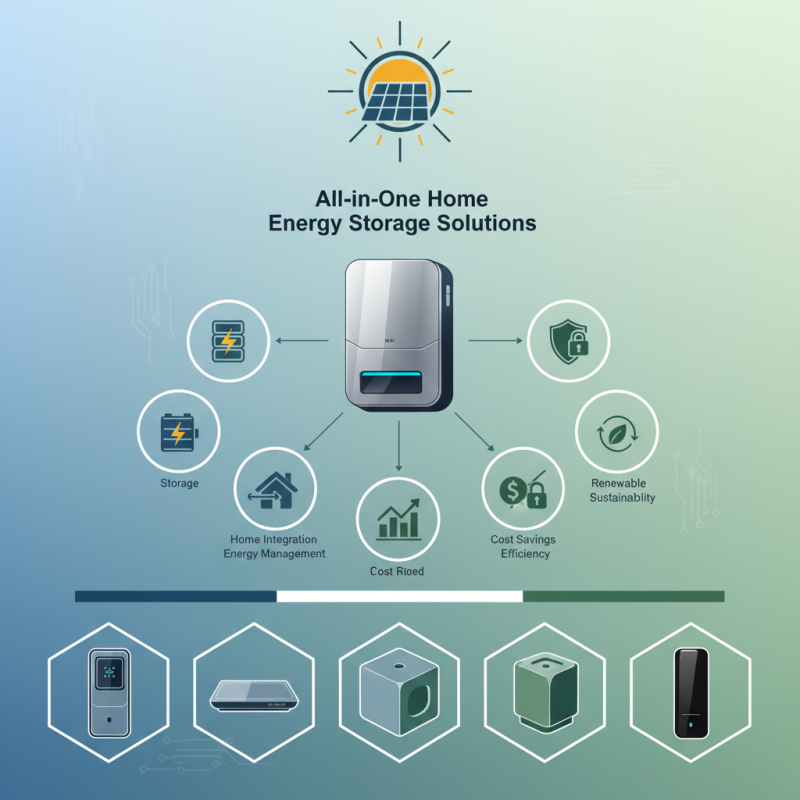
All-in-One Home Energy Storage Solutions are gaining popularity. These systems integrate batteries, inverters, and management features in a single unit. According to a recent report from the International Energy Agency, the global market for energy storage is set to grow at a compound annual growth rate of 18% through 2026. This growth reflects the increased demand for renewable energy and efficient energy management.
Homeowners often question the efficiency and reliability of these systems. It's important to consider the capacity, cost, and lifespan of the storage unit. Some solutions offer over 10 years of battery life and can support multiple devices simultaneously. However, the complexity of installation can lead to errors. Engaging a certified installer can mitigate installation risks and ensure optimal performance.
Tips for choosing the right storage solution: Focus on energy capacity versus your daily needs. Evaluate how much energy you'll consume and store. Additionally, look for robust warranties and customer support. This will ensure that you're covered for any unforeseen issues. Don't overlook the importance of monitoring tools. They provide insights into energy consumption and storage efficiency.
When selecting a home energy storage system, several key features should be considered. Battery capacity is crucial. It determines how much energy you can store for use during peak hours or outages. The higher the capacity, the longer your home can run on stored energy. Pay attention to the efficiency rating as well. A more efficient system means less energy loss during the charging and discharging process.
Another essential aspect is the system's scalability. Home energy needs can change over time. A scalable system allows you to expand storage as your energy demands grow. Additionally, monitoring capabilities are important. Some systems come with apps or interfaces to track energy usage. This can lead to smarter consumption habits, promoting energy savings.
Installation and maintenance matter too. Not all systems are easy to install or maintain. Ensure you understand these requirements before making a decision. Also, consider the warranty and lifespan of the system. These factors help assess reliability. Potential buyers should reflect on their unique energy needs to find the right fit. Balancing these considerations will help make an informed choice in home energy storage solutions.
Home energy storage solutions are gaining popularity as more homeowners seek autonomy in energy usage. These systems allow for the storage of energy generated from renewable sources like solar. By storing excess energy, households can reduce reliance on the grid and even save on energy costs.
One notable benefit is increased energy resilience. In regions prone to power outages, these systems provide backup power during critical times. Additionally, they enable better energy management. Users can monitor their energy consumption closely, optimize usage during peak hours, and lessen their carbon footprint.
However, not all solutions are created equal. Some may not offer the best efficiency or have high upfront costs that deter potential users. It’s essential to research various options and understand individual energy needs before making a decision. The market is evolving, and staying informed can lead to better choices.
| Energy Storage Solution | Capacity (kWh) | Features | Benefits | Price ($) |
|---|---|---|---|---|
| Solution A | 10 | Smart Management, Solar Compatible | Cost Savings, Energy Independence | 7,500 |
| Solution B | 15 | Grid Backup, Easy Installation | Reliable Backup Power | 10,000 |
| Solution C | 20 | App Control, High Cycle Life | Long-Term Investment Return | 12,500 |
| Solution D | 5 | Compact Design, Lightweight | Ideal for Small Homes | 4,500 |
| Solution E | 30 | Home Integration, High Efficiency | Maximized Energy Savings | 15,000 |
When exploring home energy storage solutions, three key metrics stand out: performance, capacity, and price. Each solution varies greatly in these aspects, making it vital to understand how they compare. Performance indicates how well a system can manage energy loads during peak periods. Higher efficiency typically translates to better savings and system longevity. Some systems don’t perform well in extreme temperatures, which can lead to unexpected energy shortages.
Capacity is another crucial factor. It measures how much energy can be stored for later use. Residential options vary from smaller units that hold about 5 kWh to larger solutions approaching 20 kWh. However, high capacity often comes at a higher cost. Not all high-capacity systems provide proportional performance benefits. Users should consider their daily energy usage to find a suitable match without overpaying for unnecessary capacity.
Price is always a significant consideration. While some all-in-one systems boast advanced features, their high price tags may not justify the benefits. Budget-friendly solutions exist but may skimp on performance or capacity. It's essential to weigh initial costs against long-term savings. Users may need to rethink their priorities to choose the right system. Custom solutions can sometimes offer better value, combining different features tailored to specific needs. Balancing these elements requires careful consideration of individual household demands.
When considering home energy storage solutions, user experience is paramount. Many users report that systems can be challenging to set up. Installation often requires professionals, which can add extra costs. Some users wish they had more guidance during the process. Clear instructions are sometimes lacking, leaving homeowners confused.
Moreover, the interface of many systems can frustrate users. Some platforms are not intuitive, making monitoring energy usage cumbersome. Homeowners appreciate user-friendly apps that simplify the experience. Feedback suggests that real-time updates and alerts are essential features. A seamless connection with home devices enhances the overall experience.
In terms of reliability, users often seek assurance. They want to know their system will perform as expected during power outages. Challenges can arise during peak usage times. Homeowners need to be aware of their energy needs. Overestimating capacity can lead to disappointment. Clarity on installation requirements could greatly improve user confidence. Many feel that better support channels would make a significant difference.
How can we help you?
Call to 0034 943884600 Contact usWe use cookies to ensure that we give you the best experience on our website. If you continue without changing your settings, we'll assume that you agree to receive cookies on the HINE website. For more information read our cookie policy page, click the link for more information.plugin cookies
ACEPTAR