

In an age where clarity is paramount, choosing the right Lens Spray Cleaner becomes essential. The lens cleaning market has seen a significant surge, with estimates predicting a growth rate of 3.5% annually. This uptick indicates a rising awareness of lens care among consumers. Industry expert Dr. Jane Keller, a leading figure in optical maintenance, emphasizes, "Proper lens care not only enhances vision but prolongs the life of the eyewear."
Lens Spray Cleaners vary in effectiveness and formulation. Some products claim to be streak-free, while others prioritize eco-friendly ingredients. Consumers often overlook the importance of checking for harmful chemicals. A recent study found that nearly 40% of lens cleaners contain ingredients that could harm coatings. Thus, selecting a reliable product is crucial for maintaining the integrity of your lenses.
While many brands market their products as superior, not all deliver the promised results. Some users report disappointing experiences, leading to frustration. Reflecting on these imperfections is vital. To find the best Lens Spray Cleaner, a little research and skepticism go a long way. Understanding what truly works can elevate your lens maintenance routine.
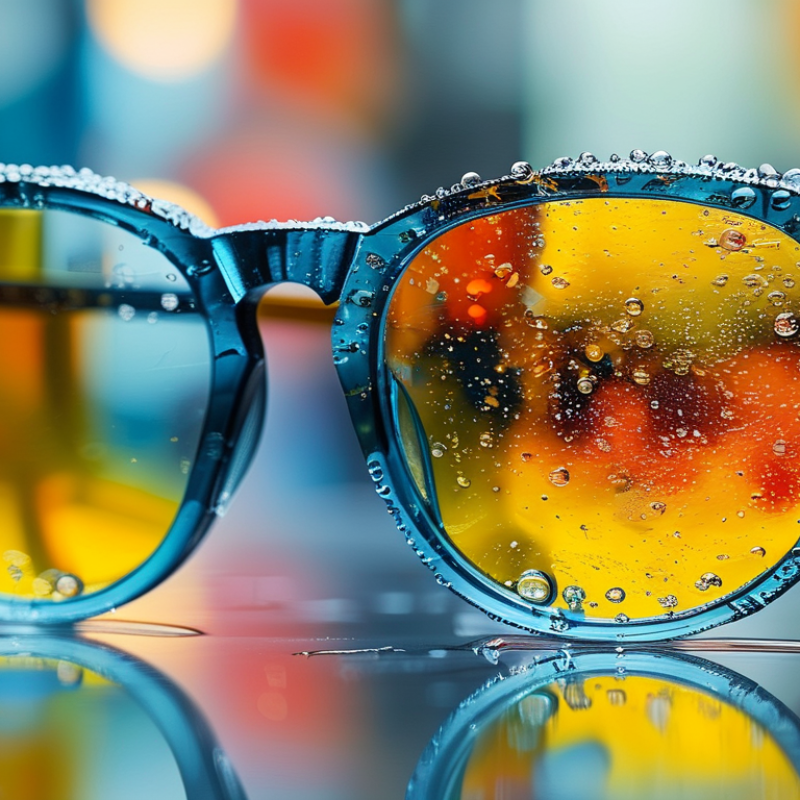
When choosing lens spray cleaners, understanding their components is crucial. Many cleaners contain solvents and surfactants that help remove dust, fingerprints, and smudges. It’s important to read labels carefully. Some ingredients can damage lenses, especially those with coatings. Knowledge about these chemicals ensures safer choices for your expensive equipment.
Using the right cleaner enhances clarity and extends the life of your lenses. Some sprays are marketed as safe for coatings, but user experiences sometimes reveal otherwise. Users may notice that certain products leave streaks or cause haziness. It’s beneficial to consider reviews and test products on a less expensive lens first. Learning from others’ mistakes can save both money and frustration.
Moreover, understanding application techniques is vital. Spray directly onto the lens or onto a microfiber cloth? This question often sparks debate among users. A common error is applying too much product or not using a proper cloth. Patience is key when cleaning. Taking time can lead to better results, preventing the need for frequent cleaning.
| Cleaner Name | Main Ingredients | pH Level | Antimicrobial Properties | Alcohol Free | User Ratings |
|---|---|---|---|---|---|
| Lens Clean Pro | Purified Water, Surfactants | 7.0 | Yes | Yes | 4.8/5 |
| Clear Vision Spray | Water, Isopropyl Alcohol | 6.5 | No | No | 4.5/5 |
| Eco Lens Cleaner | Natural Ingredients, Water | 7.2 | Yes | Yes | 4.9/5 |
| Safe Clean Lens Spray | Water, Anionic Surfactants | 7.0 | Yes | Yes | 4.6/5 |
| Optical Shine Spray | Water, Non-Ionic Surfactants | 7.0 | Yes | Yes | 4.7/5 |
| Smart Lens Cleaner | Water, Plant Extracts | 6.8 | Yes | Yes | 4.8/5 |
| Gentle Lens Clean | Water, Mild Surfactants | 7.0 | Yes | No | 4.5/5 |
| Quick Clean Spray | Isopropyl Alcohol, Water | 6.0 | No | No | 4.4/5 |
| Premium Lens Cleaner | Water, Ethanol, Surfactants | 7.5 | No | No | 4.6/5 |
| VisionCare Spray | Water, Non-toxic Chemicals | 8.0 | Yes | Yes | 4.9/5 |
When choosing a lens spray cleaner, it's crucial to evaluate the key ingredients. Many cleaners contain isopropyl alcohol, which effectively degreases. Alcohol not only removes smudges but also evaporates quickly, preventing streaks. However, excessive use can harm certain coatings found on lenses.
Another ingredient to consider is a surfactant. These compounds lower surface tension, making it easier to lift dirt and oils. Industry research suggests that a cleaner with balanced surfactants can enhance cleaning efficiency while being gentle on the lens. Additionally, pH-balanced formulations are important. A neutral pH can prevent potential damage to lens coatings, ensuring longevity and clarity.
Lastly, consider the presence of anti-fog and anti-static agents. These additives can significantly enhance visibility and reduce dust attraction. Studies indicate that products with integrated anti-fog properties are preferred by users in humid conditions. When selecting lens cleaners, make an informed choice based on ingredient efficacy and safety for the lens material.
When choosing lens spray cleaners, consider essential features and benefits they offer. Effective cleaners usually contain ingredients that eliminate dust, smudges, and fingerprints. A good cleaner should leave no residue after application. This is crucial for maintaining clear vision and proper lens function.
Safety is another key factor. Non-toxic and alcohol-free formulas tend to be gentler on lenses. They are suitable for various types of lenses, including those with anti-reflective coatings. Additionally, convenience plays a role. Many spray cleaners come in travel-sized bottles. These are easy to carry and use on the go, ensuring your lenses stay clean at all times.
While most cleaners are effective, results can vary. Users may find that some sprays work better on certain surfaces than others. Testing different products may be necessary to find the perfect match. This process can be time-consuming and sometimes frustrating. Keeping an open mind will help in discovering the cleaner that suits your needs best.
Using lens spray cleaners effectively is essential for maintaining crystal-clear optics. Begin by selecting a cleaner specifically designed for lenses. This ensures safe and effective cleaning. Always use a microfiber cloth alongside the spray. It prevents scratches and streaks. Spritz the spray directly onto the cloth instead of the lens. This reduces the risk of oversaturating the surface.
When cleaning, gently wipe the lens in a circular motion. Avoid applying excessive pressure. Inspect your cleaning cloth often; a dirty cloth can cause more harm than good. If you notice crusty deposits, consider a more thorough cleaning process. Don’t forget to keep the lens cap on when not in use for added protection.
Many overlook the importance of storing lens cleaners properly. Keep them in a cool, dry space away from direct sunlight. Sometimes, even the best products don't work as expected due to user error. If smudges persist, evaluate your cleaning technique. Staying informed about proper care methods is crucial for long-lasting lenses.
Using lens spray cleaners requires careful consideration for safety, especially when applying them to various surfaces. Always check the material of the surface before using any spray cleaner. Some sprays may contain chemicals that can damage coatings or finishes. For instance, acrylic surfaces can be sensitive and may scratch easily. A patch test on a small, inconspicuous area can prevent larger issues.
Ventilation is crucial when using aerosol cleaners. Inhaling spray particulates might pose health risks. Ensure the area is well-ventilated to disperse any fumes. Additionally, avoid using the spray near open flames or heat sources. Safety always comes first. Remember to apply sprays at a distance, usually recommended at least 6-8 inches away from the surface.
It's also important to consider the frequency of use. Overusing lens cleaners can lead to build-up or residue over time. This can compromise the clarity and quality of your lenses. Choose a cleaner that is appropriate for your specific lens type, whether it's for glasses, camera lenses, or other optical devices. Staying informed about proper cleaning methods enhances the safety and effectiveness of your lens maintenance.
How can we help you?
Call to 0034 943884600 Contact usWe use cookies to ensure that we give you the best experience on our website. If you continue without changing your settings, we'll assume that you agree to receive cookies on the HINE website. For more information read our cookie policy page, click the link for more information.plugin cookies
ACEPTAR