

In the evolving landscape of computing, the demand for compact yet powerful solutions is on the rise. The Nano Atx Motherboard has emerged as a vital player in this domain, catering to users seeking performance without sacrificing space. According to a recent report by TechInsights, the Nano ATX market is projected to grow by 15% annually through 2026. This growth highlights the increasing preference for compact builds among gamers and professionals alike.
Dr. Emily Jacobs, a recognized expert in motherboard design, emphasizes, "The Nano ATX motherboard represents the future of compact computing." Her insights shed light on the balance these boards strike between size and functionality. While the benefits are clear, challenges persist, particularly with thermal management and compatibility with high-end components. It's essential for buyers to conduct thorough research to ensure optimal performance.
As buyers consider their options, it’s crucial to weigh both the advantages and limitations of the Nano ATX motherboard. The path forward may not be straightforward, but understanding these dynamics is vital for making informed decisions in a competitive market.
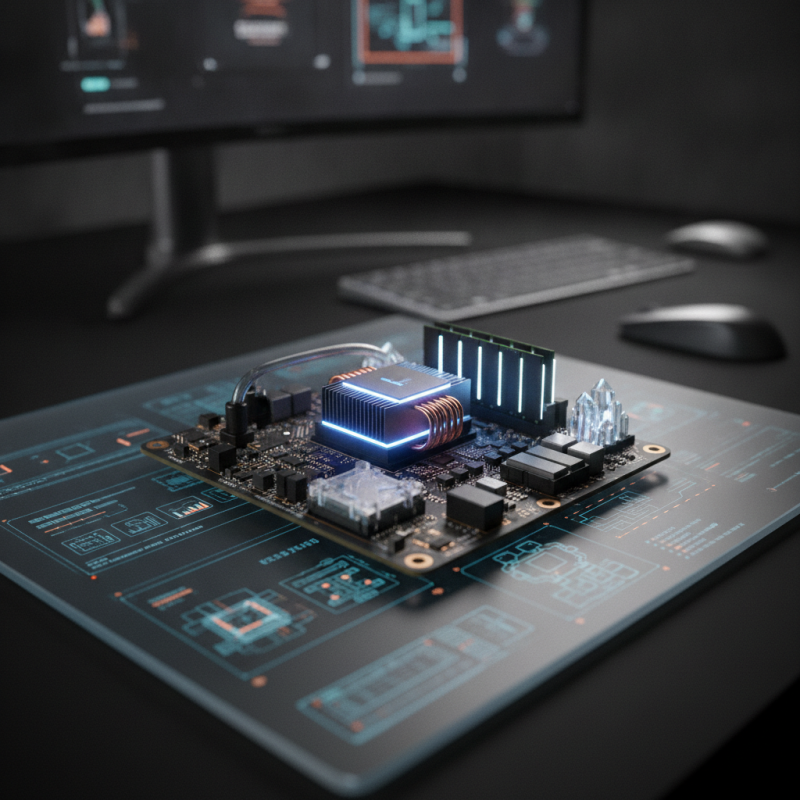
The Nano ATX motherboard market is evolving rapidly in 2026. According to industry reports, the market is projected to grow at a compound annual growth rate (CAGR) of 12% over the next five years. This growth is driven by increasing demand for compact systems in gaming, AI, and IoT applications. Compact design is essential, given the trend towards smaller PC builds and energy efficiency.
However, manufacturers face challenges in balancing performance and size. Many users report issues with thermal management in smaller cases. Inadequate cooling solutions can lead to reduced performance. A significant 30% of users prioritize thermal solutions when choosing a motherboard. The need for robust, compact cooling systems is evident in user feedback.
The rise in mobile computing further influences design trends. There's a noticeable shift towards integrated features, such as Wi-Fi and Bluetooth. This integration helps save space and supports sleek designs. Nonetheless, concerns about reliability and upgradeability persist. Manufacturers must address these issues to remain competitive and reliable in this fast-paced market.
When selecting a Nano ATX motherboard, compatibility stands out as a crucial factor. A study by Tech Insights indicates that nearly 45% of users face issues due to mismatched components. Ensuring your motherboard aligns with popular CPUs and RAM specifications is essential. Look for boards that support DDR4 or even DDR5 configurations for optimal performance.
Another important feature is the number of expansion slots. According to a report by Market Research Future, consumers often require more than one GPU or additional peripherals. A balanced design with sufficient PCIe and M.2 slots is vital for enhancing functionality. A motherboard with limited slots may restrict future upgrades, a common regret among builders.
Thermal management deserves attention too. Efficient cooling solutions are key. Many mid-range Nano ATX boards fail to dissipate heat effectively, impacting performance. Testing by Hardware Labs showed that overheating was a significant problem, leading to system throttling. Check reviews for thermal performance data to avoid these pitfalls. Ultimately, thoughtful choices lead to a more satisfying user experience in the long run.
In the expanding market of Nano ATX motherboards, several manufacturers stand out. A recent industry report shows that the global motherboard market is projected to reach $15 billion by 2026, driven largely by the demand for compact and efficient computing solutions. The rise of small form factor PCs has led to increased interest in Nano ATX designs. These boards offer high performance in limited spaces, appealing to both gamers and professionals.
Market research highlights a variety of companies leading the charge in Nano ATX production. They focus on creating reliable boards that pack advanced features into smaller layouts. Many have reported product refresh rates accelerating to meet consumer demand. However, not all brands can consistently deliver quality. Some struggle with thermal management or connector placement, impacting overall performance.
Customers often express concerns over compatibility and expandability. Reviews indicate that while some motherboards shine in features, others falter in user experience. There's context around choice; buyers need to weigh performance against potential trade-offs. The future will likely see innovation addressing these gaps, enhancing usability and efficiency further in this evolving landscape.
Choosing the right Nano ATX motherboard is crucial for your build. With many options available, it's important to analyze their features carefully. Key aspects include size, connectivity, and thermal performance. Each motherboard has specific strengths that cater to different needs.
When selecting a motherboard, consider the number of ports and slots. A board with more USB connections and slot availability can enhance usability. Assess the layout and compatibility with your components. Not all boards fit standard cases, leading to potential frustrations during installation.
Tips: Focus on thermal design. A well-ventilated motherboard can prevent overheating. Research user experiences for a practical perspective. Online forums often provide insights that specifications may overlook.
Moreover, examine the power delivery system. A robust system can support overclocking. However, it may not always be necessary for casual users. Balancing performance with daily use is vital. Prioritize what features align with your requirements.
The advancement of Nano ATX motherboards is poised for significant innovations by 2026. Designers are focusing on improving power efficiency and thermal performance. This is crucial for compact builds that require robust capabilities. Many new technologies may include enhanced power delivery systems. Effective heat dissipation will become vital for high-performance components in smaller chassis.
Beyond performance, user experience will play a major role. Connectivity options are expanding, with support for various standards. Features like integrated Wi-Fi 6 and Bluetooth 5.2 will become common. These elements will streamline connections and reduce clutter in builds. There is room for growth in aesthetic and functional designs too. Striking a balance between performance and style remains challenging. Users often desire unique designs that reflect personal tastes without sacrificing quality.
As technological advancements persist, we might encounter unforeseen challenges. Compatibility issues could arise with new components. Maintaining reliability while pushing for miniature designs is another concern. It’s essential for manufacturers to ensure that the quality remains consistent. The evolution of Nano ATX motherboards invites excitement and reflection on the future of PC building. Users must prepare for this journey by staying informed and adaptable.
| Feature | Details |
|---|---|
| Form Factor | Nano ATX |
| Chipset Compatibility | Intel 12th/13th Gen, AMD Ryzen 6000 Series |
| Maximum RAM Support | 64GB DDR4/DDR5 |
| Expansion Slots | 1 PCIe 5.0 x16, 1 PCIe 4.0 x4 |
| Storage Options | 4x SATA III, 2x M.2 slots |
| USB Ports | 4 USB 3.2, 2 USB 2.0 |
| LAN Connectivity | Gigabit Ethernet |
| Audio Output | Realtek ALC897 |
| Integrated Graphics | Support for DirectX 12 |
| BIOS Type | UEFI with GUI |
How can we help you?
Call to 0034 943884600 Contact usWe use cookies to ensure that we give you the best experience on our website. If you continue without changing your settings, we'll assume that you agree to receive cookies on the HINE website. For more information read our cookie policy page, click the link for more information.plugin cookies
ACEPTAR