

The precision manufacturing industry is evolving rapidly, demanding advanced tools for higher accuracy and efficiency. According to a report by MarketsandMarkets, the global cutting tool market is expected to reach $33 billion by 2026. This growth underscores the importance of high-quality tools, such as the Psc Cutting Tool, in meeting stringent manufacturing standards.
Psc Cutting Tools excel in delivering precision and durability. Their design focuses on minimizing tool wear and maximizing performance. Studies show that using advanced cutting tools can reduce production time and costs significantly. However, selecting the right tools remains a challenge for many manufacturers. Not all tools are created equal, and some may not meet specific production needs.
Many manufacturers have reported inconsistent results when using generic tools. This has led to increased scrutiny on the tools they choose. The right Psc Cutting Tool can make a significant difference in achieving desired outcomes. Understanding the features and benefits of these tools is crucial for success in precision manufacturing.
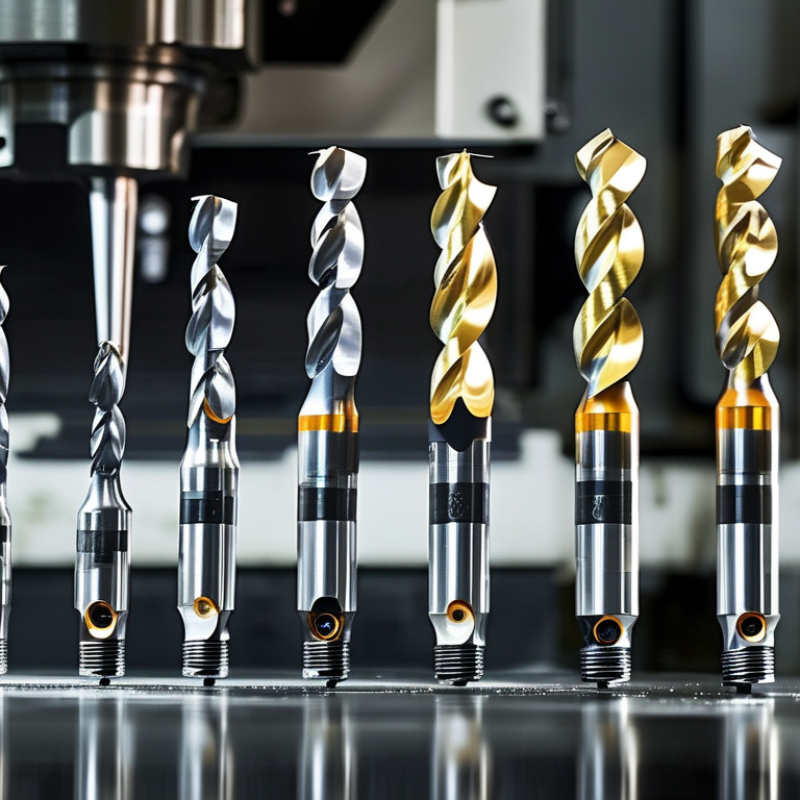
In precision manufacturing, choosing the right cutting tools is critical. Various tools serve different purposes, and understanding their applications can enhance efficiency. High-speed steel tools, for instance, are versatile and durable, ideal for a range of materials. They perform well in both hard metals and softer alloys. These tools provide a good balance between cost and longevity.
Carbide cutting tools offer superior hardness and wear resistance. They excel in high-speed operations. Their performance, however, can diminish if not used correctly. Improper handling or machining conditions can lead to rapid wear. It's important to conduct regular maintenance and inspections for optimum performance.
Moreover, tool geometry plays a vital role in precision. Flute design affects chip removal and coolant flow. A tool with the wrong geometry can compromise accuracy. Users should evaluate the specific needs of their manufacturing processes. Continuous learning and adaptation are essential. Embracing innovation in cutting technologies can drive improvements but requires careful consideration. Regular training sessions can enhance skills and familiarity with emerging tools.
Precision cutting tools play a critical role in manufacturing. They ensure accuracy and efficiency in the production process, impacting overall product quality. Industry reports indicate that precision tooling can enhance production rates by up to 30%. This increase is crucial for companies aiming to meet market demand without sacrificing quality.
The choice of cutting tools influences the manufacturing workflow significantly. High-quality tools reduce wastage and ensure better finishes on parts. Reports from experts show that using precision tools can decrease machining time by 20%, allowing for tighter production schedules. However, not all manufacturers prioritize the selection of appropriate tools. Many may opt for cheaper alternatives, risking lower production quality and increased operational costs.
Adopting advanced cutting tools requires investment and training. Manufacturers must understand the long-term benefits these tools provide. Yet, there's a gap in knowledge about the full potential of modern cutting technologies. Organizations might hesitate to make changes, fearing initial setbacks. Despite these challenges, the transition can lead to improved performance and competitiveness in the market.
When choosing PSC cutting tools for precision manufacturing, specific criteria are essential. Material composition plays a crucial role. High-quality steel or carbide can enhance durability and performance. Pay attention to the hardness of the tool, as this affects wear resistance. A tool that wears down quickly may lead to higher costs in the long run.
The geometry of the cutting tool also impacts precision. Sharp edges facilitate smoother cuts, reducing friction and heat generation. However, selecting the wrong shape can result in chips or poor surface finish. Hence, understanding the application and required finish is vital. An improper choice could lead to wasted time and resources.
End-user knowledge is another key factor. Operators must be trained and familiar with the tools they use. Sometimes, workers may overlook maintenance, thinking it's unnecessary. Regular inspections could prevent tool failure. Relying on experiences from previous projects can guide better choices. An informed decision will lead to improved efficiency and accuracy in manufacturing practices.
| Tool Type | Material | Cutting Diameter (mm) | Application Area | Surface Finish |
|---|---|---|---|---|
| End Mill | High-speed steel | 12 | Metalworking | Ra 1.6 μm |
| Drill Bit | Carbide | 10 | Woodworking | Ra 3.2 μm |
| Reamer | Cobalt | 8 | Precision Holes | Ra 0.8 μm |
| Tapered End Mill | HSS | 6 | Complex Shapes | Ra 1.0 μm |
| Chip Breaker Tool | Tungsten Carbide | 14 | Heavy-duty Cutting | Ra 1.2 μm |
Precision manufacturing requires cutting tools that excel in performance. When choosing PSC cutting tools, several key features should be considered. Tool materials, coatings, and geometry are critical for achieving high precision and durability. For instance, carbide tools often provide better wear resistance, leading to longer tool life. According to a recent industry report, tools with superior coatings can enhance tool performance by up to 30%.
Understanding the specifications of PSC cutting tools is crucial. A tool’s geometry affects cutting efficiency and surface finish. For example, specific angles can improve chip removal. Additionally, tolerances are vital for ensuring parts meet exact specifications. A study indicated that high precision can reduce production costs by 15% due to less waste and rework.
Investing in PSC cutting tools requires careful consideration. Not all tools provide consistent results across various applications. Tool selection should be data-driven, leveraging analytics for informed decisions. Many manufacturers still overlook this, leading to inefficiencies. Continuous assessment of tool performance can help manufacturers adapt to their unique needs. Adopting these practices can significantly enhance precision in manufacturing processes.
The precision cutting tool market is evolving rapidly. According to a recent industry report, the global market for cutting tools is expected to reach $24 billion by 2026, growing at a CAGR of 7.5%. This growth is fueled by advancements in manufacturing technologies. Companies are increasingly demanding tools that deliver higher efficiency and accuracy.
New innovations include coated tools that enhance durability. These tools can withstand harsh conditions better than their predecessors. A study highlighted that tools with advanced coatings can reduce tool wear by as much as 30%. However, the challenge remains in balancing cost and performance. Many manufacturers grapple with investing in these high-tech solutions.
Trends show a shift towards automation in tool management. Machine learning applications analyze tool usage data to predict maintenance needs. This predictive maintenance can lead to a reduction in downtime. Yet, integrating these technologies is not without hurdles. Many businesses need to adapt their workflows to fully leverage these innovations.
How can we help you?
Call to 0034 943884600 Contact usWe use cookies to ensure that we give you the best experience on our website. If you continue without changing your settings, we'll assume that you agree to receive cookies on the HINE website. For more information read our cookie policy page, click the link for more information.plugin cookies
ACEPTAR