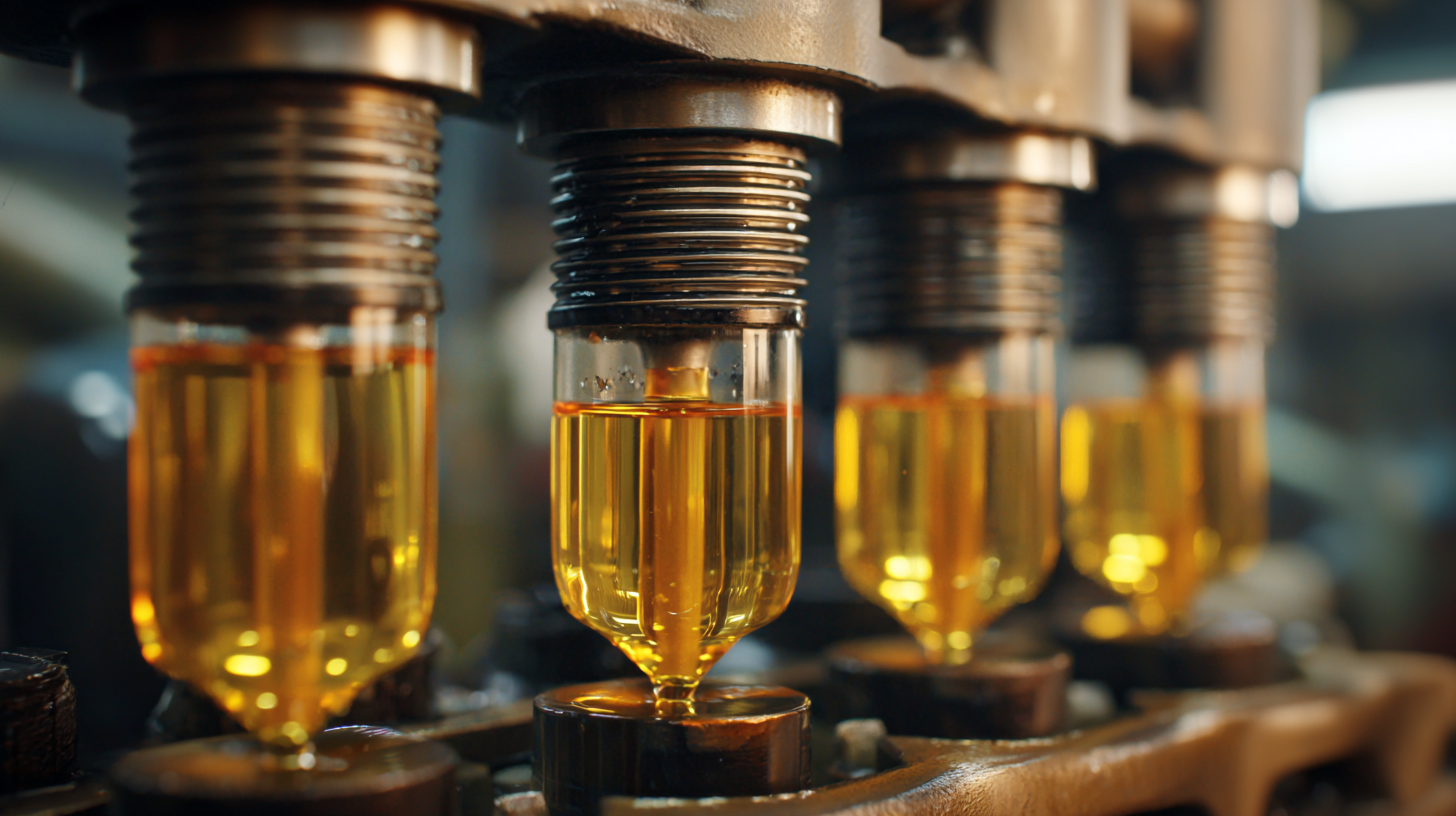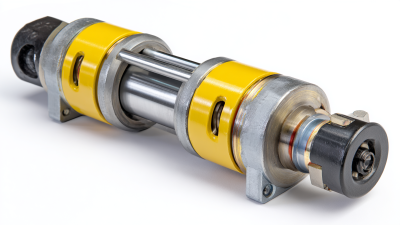

Understanding hydraulic oil is crucial for maintaining the longevity of industrial equipment, as research indicates that improper lubrication can lead to significant operational inefficiencies and equipment failure. According to a study by the International Fluid Power Society, up to 70% of hydraulic system failures can be traced back to issues related to hydraulic oil, including contamination and incorrect viscosity. Additionally, the Hydraulic Institute reports that optimized hydraulic oil management can enhance system performance by up to 30%, reducing downtime and maintenance costs. With the global hydraulic oil market projected to reach $12 billion by 2025, it is essential for businesses to grasp the vital role hydraulic oil plays in their machinery's performance and reliability. Focusing on the right lubrication practices can ensure that equipment not only operates efficiently but also enjoys an extended service life, safeguarding investments and enhancing productivity in an increasingly competitive market.
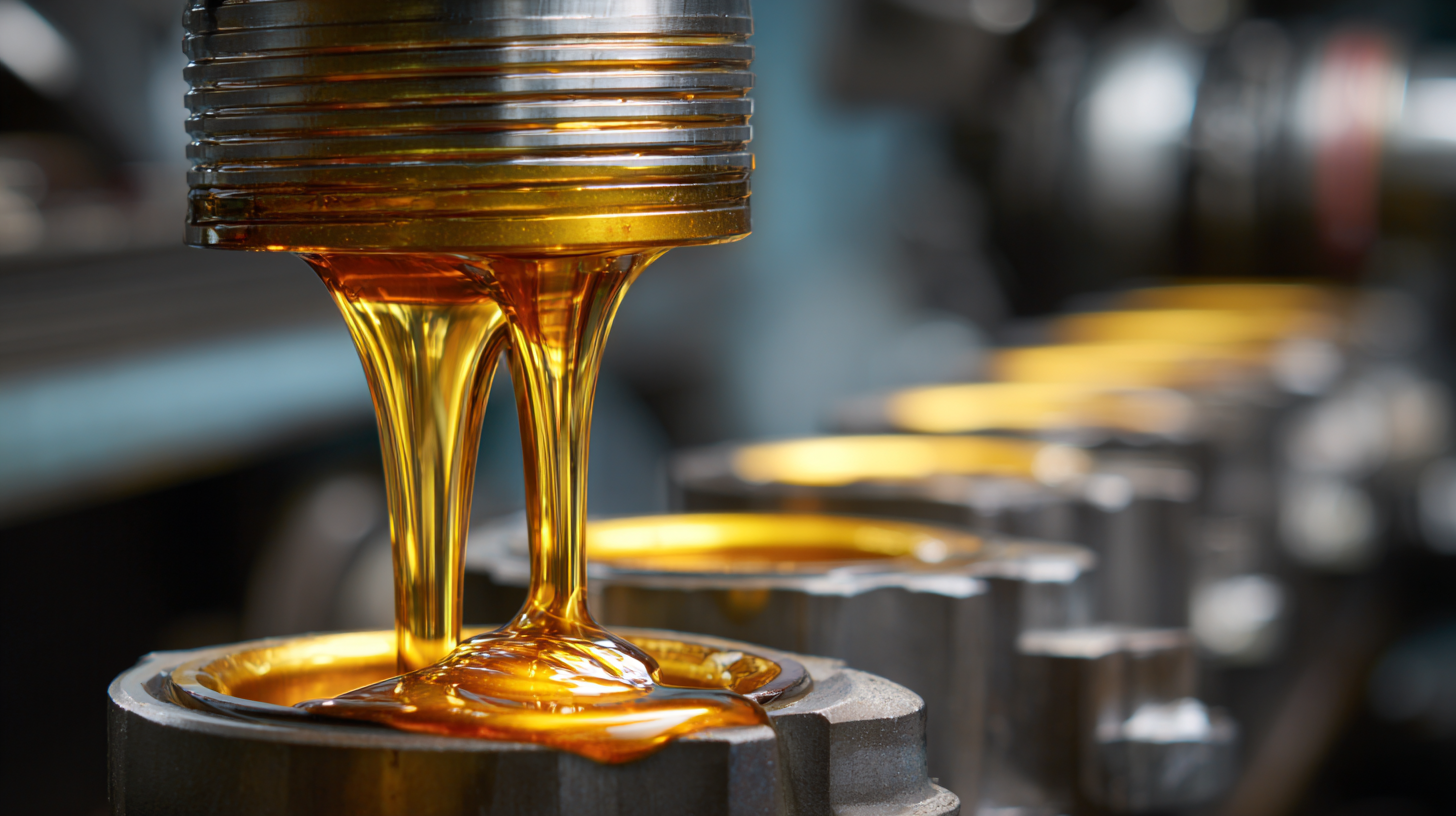
Hydraulic oil plays a crucial role in the performance and longevity of hydraulic systems, with viscosity being a key factor that influences this effectiveness. Viscosity, or the thickness of the hydraulic oil, directly impacts its ability to create a lubricating film between moving parts, reducing friction and wear. Optimal viscosity ensures that the oil can easily flow through the system while effectively maintaining pressure. If the viscosity is too high, it can lead to sluggish operation and increased energy consumption, whereas too low viscosity can result in inadequate lubrication, risking severe equipment damage.
Temperature variations further complicate the importance of hydraulic oil viscosity. As the temperature increases, the oil can thin out, which might compromise its ability to lubricate effectively. Conversely, in colder conditions, hydraulic oil can become too thick, impairing its flow characteristics. Therefore, selecting the right hydraulic oil with appropriate viscosity is essential for adapting to the specific operating conditions of the equipment. Regular monitoring of oil viscosity is key to ensuring optimal equipment performance and reliability, ultimately leading to longer equipment life and reduced maintenance costs.
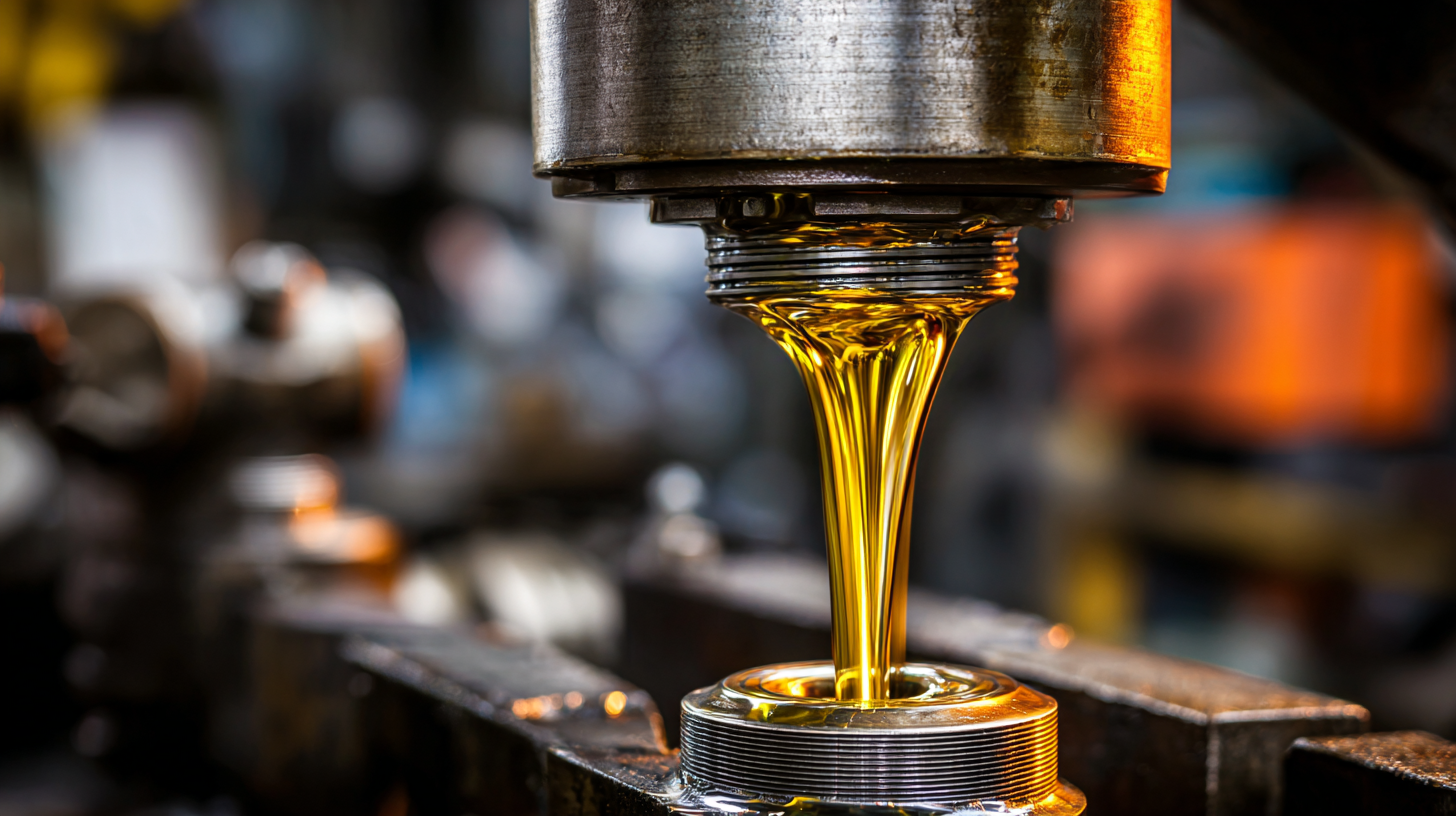
Hydraulic oil plays a critical role in the operation of various machinery and equipment, ensuring seamless performance and longevity. However, the presence of contaminants in hydraulic oil can significantly diminish system efficiency. These contaminants, which can include dirt, water, and metal particles from wear, can create issues such as increased friction and premature wear of components. When these impurities accumulate, they disrupt the hydraulic system's ability to function effectively, leading to decreased power transmission and responsiveness in the machinery.
The impact of these contaminants extends beyond immediate operational concerns; they can also result in costly repairs and increased downtime. Moreover, as the quality of hydraulic oil deteriorates, the entire hydraulic system can suffer from reduced efficiency, increased energy consumption, and higher operational costs. Regular monitoring and maintenance of hydraulic oil quality are therefore essential not only for preserving the equipment but also for ensuring optimal performance in demanding environments. Proper filtration systems and routine oil analysis can help mitigate these risks, thereby enhancing the overall productivity and lifespan of hydraulic machinery.
Maintaining hydraulic oil is crucial for prolonging the life of hydraulic systems and ensuring optimal performance. Regular monitoring and replacement of hydraulic oil can significantly prevent costly equipment failures. According to the National Fluid Power Association (NFPA), approximately 90% of hydraulic system breakdowns are attributed to fluid contamination. Therefore, implementing effective maintenance practices is essential for mitigating these risks.
One important practice is to regularly check and maintain fluid levels and cleanliness. Utilizing filters and monitoring systems can help catch contaminants early, preserving the integrity of the hydraulic oil. Additionally, the Institute of Petroleum (IOP) recommends changing hydraulic oil based on its condition rather than on a fixed schedule, as oil life can be affected by factors such as operating temperature and load conditions.
Regular sampling and analysis of the hydraulic oil can provide insights into its remaining useful life, ensuring it operates efficiently and prolonging equipment longevity by up to 40%, as highlighted in a report by the Society of Tribologists and Lubrication Engineers (STLE).
Hydraulic oil plays a crucial role in the performance and longevity of equipment, and understanding the role of additives in its formulation is essential for optimal functionality. Additives are specifically designed to enhance the performance of hydraulic oils, addressing issues such as wear, oxidation, and foam. These chemical compounds improve the oil’s stability, increase its lubricating properties, and provide protection against rust and corrosion.
For instance, anti-wear additives form a protective film on metal surfaces, minimizing friction and extending the lifespan of hydraulic components. Oxidation inhibitors are added to prevent the oil from breaking down under high temperatures, which could lead to sludge formation and increased wear on machinery. Additionally, anti-foaming agents ensure that the hydraulic fluid maintains its integrity under pressure, allowing for efficient operation. By understanding the significance of these additives, equipment operators can make informed decisions about oil selection and maintenance, ultimately resulting in reduced downtime and enhanced equipment performance.
Hydraulic oil plays a crucial role in the performance and longevity of equipment. Understanding its properties and the necessity for regular testing and replacement can significantly impact the cost-effectiveness of maintenance strategies. Regular testing of hydraulic oil helps identify contaminants and degradation, allowing for timely interventions before more serious issues arise. While the upfront costs of testing and replacing hydraulic oil may seem high, the long-term benefits—including reduced equipment failure, lower repair costs, and extended machinery lifespan—often outweigh initial expenditures.
Tips: Consider setting up a scheduled maintenance plan that includes regular hydraulic oil testing. This proactive approach can help catch problems early, saving you from costly breakdowns. Additionally, keep a log of oil changes and test results to track patterns that may indicate underlying issues with your equipment.
Moreover, using high-quality hydraulic oil specifically designed for your machinery can enhance performance. It’s also essential to ensure that the oil is compatible with the seals and components of your equipment, as improper oil choice can lead to premature wear and tear. By prioritizing proper maintenance of hydraulic oil, you can foster a more efficient and lasting operation for your equipment.
How can we help you?
Call to 0034 943884600 Contact usWe use cookies to ensure that we give you the best experience on our website. If you continue without changing your settings, we'll assume that you agree to receive cookies on the HINE website. For more information read our cookie policy page, click the link for more information.plugin cookies
ACEPTAR