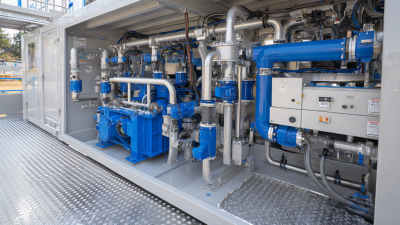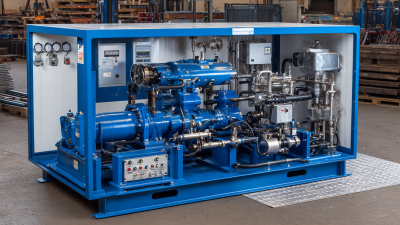

In today's global marketplace, understanding hydraulic power units (HPUs) is essential for effective procurement strategies. HPUs are critical components in various industries, from manufacturing to construction. Their importance lies in their ability to convert hydraulic energy into mechanical power, enabling efficient operation of machines and equipment.
Selecting the right hydraulic power unit can be daunting. Factors such as pressure requirements, flow rates, and operational environments must be examined. Misjudgments in these areas can lead to increased costs and operational delays. Organizations often struggle to find reliable suppliers who understand their unique needs. This gap can impact procurement success and system performance.
Establishing a strong foundation of knowledge around HPUs can significantly improve procurement processes. Companies must continually evaluate both existing and emerging technologies to stay competitive. Investing time to understand the specifications and applications of hydraulic power units is crucial. As the industry evolves, so too must procurement strategies—adapting to innovations and market dynamics remains key to success.
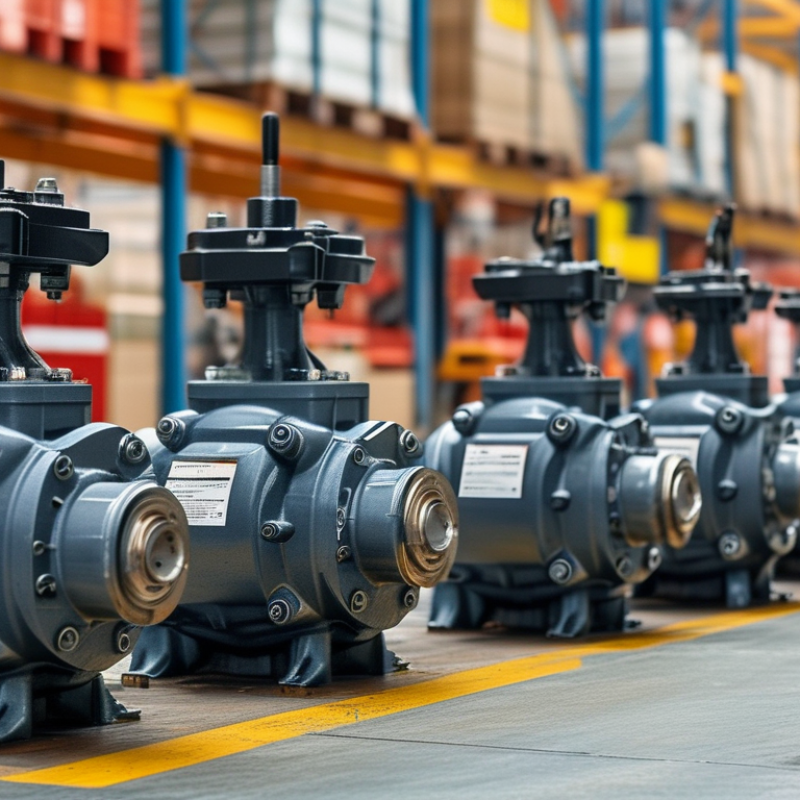
Hydraulic power units (HPUs) play a crucial role in industrial applications. These systems convert hydraulic energy into mechanical power, enabling machines to perform various tasks. Their design can vary widely, impacting functionality and efficiency. Understanding the components and operation of HPUs is essential for effective procurement processes.
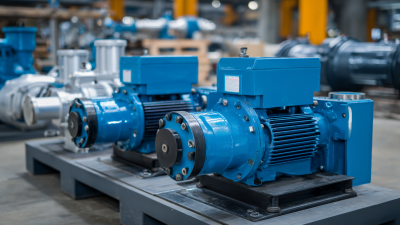
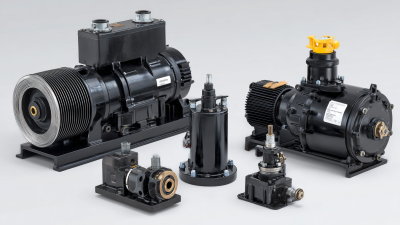
HPUs consist of several key components: pumps, reservoirs, valves, and filters. Each part must work seamlessly to maintain performance. In industrial setups, failures can lead to downtime and increased costs. Regular maintenance is vital. Operators should be trained to recognize signs of wear or malfunction early on.
While the benefits of HPUs are clear, some challenges arise. Sizing a unit correctly for specific applications requires careful consideration. Oversized systems waste energy, while undersized ones may not deliver sufficient power. This balancing act demands expertise and experience. Mistakes in selection can lead to inefficiencies and operational issues. Understanding these complexities can inform smarter procurement choices in the future.
Hydraulic power units (HPUs) are critical in many industries, providing essential force for machinery and equipment. Understanding their key components is vital for effective global procurement. At the heart of an HPU lies the hydraulic pump. It converts mechanical energy into hydraulic energy, generating the pressure needed to operate various systems.
Another important component is the reservoir. This holds hydraulic fluid, ensuring a consistent supply to the pump. Proper fluid levels are crucial for performance. A well-designed reservoir minimizes air contamination and allows for easier maintenance. Additionally, filters play a significant role in maintaining fluid quality, preventing damage to the system.
Valves are also integral to HPUs. They control the direction and flow of hydraulic fluid. This precise management is essential for the proper operation of hydraulic systems. The complexity of these components raises questions about compatibility and performance. It's essential for procurement teams to assess suppliers’ capabilities thoroughly. Sometimes, decisions rely heavily on supplier reputation rather than technical specifications, which can lead to challenges. Proper research and verification reduce these risks.
The hydraulic power unit (HPU) market is evolving rapidly. The global demand for HPUs is projected to grow at a CAGR of around 5.4% from 2021 to 2028. This growth is driven by increased automation across various industries. A report by Grand View Research shows that the construction and agriculture sectors are significant consumers of hydraulic power units. These sectors require efficient and reliable power sources to enhance productivity.
Understanding market trends is essential for effective procurement. Geographical shifts are noteworthy; regions like Asia-Pacific show rapid expansion due to urbanization. In Europe and North America, regulations promote energy-efficient systems. Buyers must stay informed about these shifts to optimize their procurement strategies.
Tips: Assess your operational requirements. This can lead to better HPU selection. Consider technology integration for improved efficiency. Regularly update your market knowledge to adapt to emerging trends. Evaluate the sustainability of suppliers. This fosters long-term relationships and reliability in supply chains. The demand for hydraulic power units is increasing, but adaptability in procurement remains crucial for success.
When sourcing hydraulic power units, understanding cost factors is crucial. Various elements influence pricing, including material quality, manufacturing processes, and certifications. The global supply chain also plays a significant role. Import duties and shipping costs can significantly inflate expenses. Local regulations may further complicate procurement, adding unforeseen costs.
Design complexity is another consideration. More intricate systems may require higher skill levels during production. This can translate into increased labor costs. Additionally, the type of hydraulic fluids used affects long-term operational expenses. Not all fluids provide the same efficiency.
It’s essential to evaluate supplier reliability. A lower price may signal potential issues down the line. Quality assurance is critical. Suppliers with a solid track record may charge more upfront but can save costs in maintenance and repairs. Investing time in due diligence can mitigate risks and improve overall value. Remember, the lowest price does not always equal the best deal.
| Dimension | Description | Cost Factors | Global Sourcing Considerations |
|---|---|---|---|
| Type of Motor | Electric, Diesel, or Hydraulic | Impact on efficiency and power consumption | Availability in local markets |
| Flow Rate | Measured in GPM or L/min | Higher flow rates usually cost more | Regional demand for specific flow rates |
| Operating Pressure | PSI or bar rating | Higher pressure ratings increase costs | Compliance with local safety regulations |
| Tank Capacity | Size of hydraulic fluid tank | Volume affects system efficiency and costs | Transport and installation constraints |
| Control System | Manual or automated controls | Advanced systems tend to be more expensive | Compatibility with existing systems |
The design of hydraulic power units (HPUs) has begun to shift toward sustainability. Companies are increasingly aware of their environmental impacts. This awareness is prompting engineers to rethink materials and processes in HPU manufacturing. Eco-friendly components can minimize waste and energy consumption. Choosing renewable resources helps reduce carbon footprints.
Another important aspect involves the operational life of HPUs. Maintaining and servicing these units can be resource-intensive. Implementing efficient maintenance schedules can prolong unit life. This approach not only conserves materials but also saves energy in production. Additionally, recycling older systems rather than discarding them aligns with sustainability goals.
However, challenges remain. Many designs still use traditional materials that may not be environmentally friendly. The industry must address this paradox. There is a pressing need for innovative thinking in hydraulic power design. Stakeholders often find it difficult to transition from old systems to new solutions. Balancing performance and sustainability is an ongoing struggle for engineers and procurement professionals alike.
How can we help you?
Call to 0034 943884600 Contact usWe use cookies to ensure that we give you the best experience on our website. If you continue without changing your settings, we'll assume that you agree to receive cookies on the HINE website. For more information read our cookie policy page, click the link for more information.plugin cookies
ACEPTAR