What Are the 2026 Best Hydraulic Cylinder Parts?

Choosing the best hydraulic cylinder parts for 2026 requires more than comparing prices or polished product photos. Hydraulic systems face rising pressure demands, tighter maintenance schedules, and stronger expectations for energy efficiency. Grand View Research’s Hydraulic Cylinders Market report identifies construction, agriculture, and material handling as major application sectors. MarketsandMarkets also reports continued growth in hydraulic equipment, driven by automation and industrial modernization. These trends make component quality increasingly important.

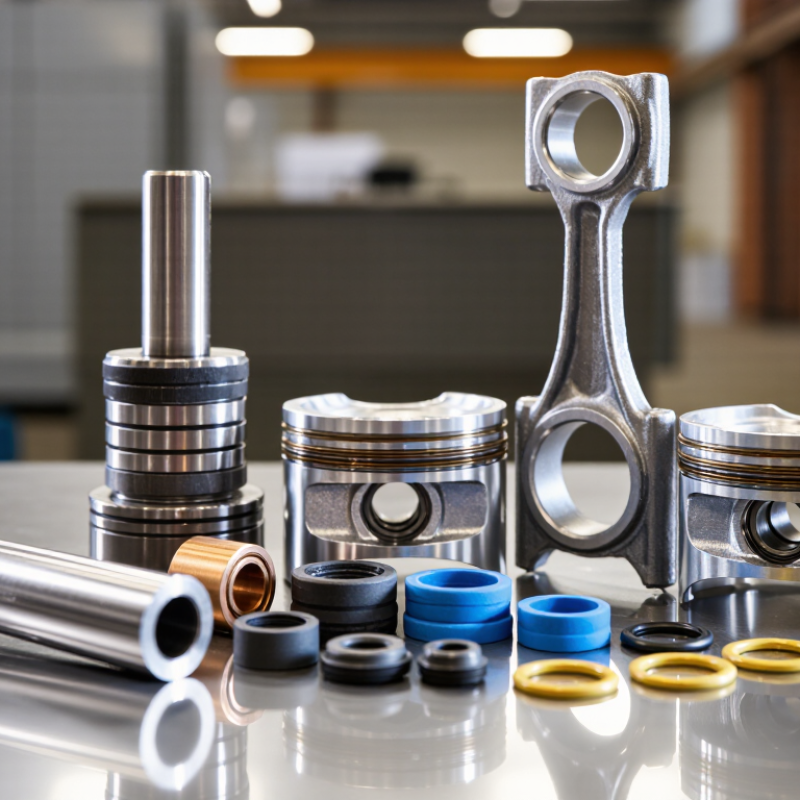
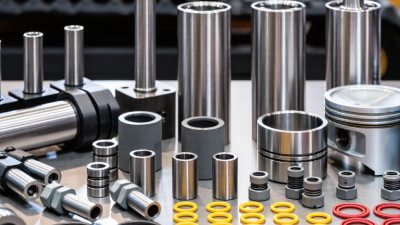
The strongest hydraulic cylinder parts usually include hardened piston rods, precision-machined pistons, durable seals, wear rings, guide bushings, and corrosion-resistant gland assemblies. A scratched rod can damage a fresh seal within hours. Small seals matter. In field maintenance, seal compatibility with oil temperature and pressure often decides whether a repair lasts three months or three years. ISO 6020/2 and ISO 6022 provide dimensional and performance references for many metric hydraulic cylinders, but standards alone cannot guarantee suitable operation.

This 2026 guide examines parts through service life, material quality, sealing performance, load stability, and replacement practicality. It also considers supplier traceability and documented testing, because impressive specifications can hide weak manufacturing controls. That gap matters. Reports often describe market direction, not every workshop’s reality. A cylinder used in a dusty quarry needs different protection from one operating inside a clean factory. The “best” choice is therefore conditional, and this article may challenge a few popular assumptions. My recommendation remains practical: match every part to pressure, speed, temperature, contamination, and maintenance access before purchasing.

What Are the 2026 Best Hydraulic Cylinder Parts?

Hydraulic Cylinder Parts: Functions and Essential Components

What Are the 2026 Best Hydraulic Cylinder Parts?

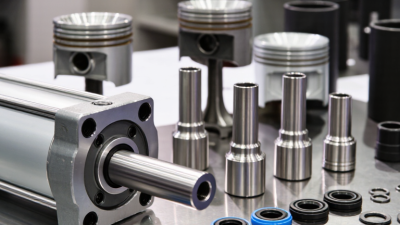
Hydraulic cylinder parts convert fluid pressure into controlled linear movement. The barrel contains pressurized oil, while the piston separates the working chambers. The piston rod transfers force to external equipment. Seals prevent leakage around moving surfaces. A wiper removes dust before it reaches the rod seal. Each part supports safety, efficiency, and service life.

The best parts in 2026 will depend on operating pressure, temperature, speed, and contamination levels. Hardened rods resist scratches in dusty environments. Wear rings help keep the piston centered inside the barrel. Strong gland assemblies support alignment and protect the sealing system. Reliable ports reduce turbulence and simplify maintenance. In practical repairs, I have seen one damaged seal cause several parts to wear early. Still, replacing every component is not always necessary. Inspection should guide the decision.

Tips: Measure the rod diameter, stroke, and mounting points before ordering. Check seal material compatibility with the hydraulic fluid. Look for scoring, bent rods, and uneven wear. Clean the assembly area carefully. Even a small metal particle can damage a fresh seal. Keep service records, but do not trust old measurements blindly. Temperature changes and heavier loads may require different parts. When pressure problems remain unclear, test the circuit with calibrated equipment and follow the cylinder manufacturer’s technical limits.

How to Identify the Best Hydraulic Cylinder Materials for 2026

The best hydraulic cylinder materials for 2026 should match pressure, contamination, temperature, and maintenance conditions. Material strength alone is not enough. A cylinder working beside seawater needs stronger corrosion protection than one operating indoors.

The AMPP/NACE IMPACT study estimated global corrosion costs at about 3.4% of worldwide GDP. That figure makes surface protection a serious engineering decision. For barrels, honed carbon steel remains practical because it offers strength, machinability, and broad availability. World Steel Association data recorded about 1.88 billion tonnes of crude steel production in 2024, supporting stable material access. However, availability does not guarantee quality.

Look for seamless tubing that meets relevant ASTM requirements, with verified yield strength, wall thickness, and internal surface finish. For rods, hardened alloy steel with a controlled chrome or ceramic-based coating can reduce scoring and corrosion. Stainless steel may suit washdown environments, but its cost and galling risk need careful review. Seals should match the fluid, temperature, and pressure range, not merely the catalog description.

Small details matter. A rough rod can damage a new seal quickly. Poor filtration can defeat premium materials. ISO 6020/2 and ISO 6022 dimensions also help maintain interchangeability. I have seen material choices fail because engineers trusted tensile strength alone. That shortcut needs reconsideration. Test samples under real duty cycles before approving a 2026 parts specification.

What Are the 2026 Best Hydraulic Cylinder Parts? How to Identify the Best Hydraulic Cylinder Materials for 2026

Material values are typical engineering ranges and must be verified against the cylinder design, fluid, temperature, pressure, and applicable safety standards.
Hydraulic Cylinder Part Recommended Material or Material Family Typical Material Properties Main Advantages Important Limitations Best-Fit Applications 2026 Selection Priority Key Identification Checks
Cylinder Barrel Cold-drawn honed steel tube; commonly low-carbon or medium-carbon steel Typical tensile strength: approximately 350–700 MPa, depending on grade and heat treatment.
Honed internal surface roughness is commonly about Ra 0.2–0.4 µm.
High structural strength, good dimensional stability, reliable sealing surface, and efficient production. Requires corrosion protection; poor surface finish or ovality can accelerate seal wear and leakage. General industrial machinery, mobile equipment, lifting systems, and agricultural machinery. High Check internal diameter tolerance, roundness, wall thickness, honing pattern, surface roughness, and corrosion protection.
Corrosion-Resistant Cylinder Barrel Austenitic stainless steel, such as 304 or 316 family alloys Typical tensile strength: approximately 515–620 MPa for common annealed grades.
Strong resistance to atmospheric corrosion; molybdenum-bearing grades provide improved resistance to chlorides.
Excellent corrosion resistance, clean appearance, and suitability for washdown or humid environments. Higher material cost, lower hardness than hardened alloy steel, and possible galling during sliding contact. Food-processing surroundings, marine environments, chemical handling areas, and outdoor equipment. High Confirm alloy designation, passivation condition, bore finish, weld quality, and resistance to the actual fluid or atmosphere.
Piston Rod Alloy steel with hard-chrome, nickel-chrome, or advanced corrosion-resistant surface treatment Typical base-material tensile strength: approximately 800–1,200 MPa after suitable heat treatment.
Surface hardness and coating thickness vary by process and duty.
High bending resistance, good fatigue performance, low friction, and improved wear resistance when properly finished. Coating damage, impact marks, or inadequate protection can cause pitting, seal damage, and premature leakage. High-cycle cylinders, construction equipment, presses, material-handling systems, and outdoor machinery. High Inspect straightness, diameter, surface roughness, coating continuity, hardness, corrosion resistance, and thread quality.
Corrosion-Resistant Piston Rod 17-4 PH precipitation-hardening stainless steel or equivalent corrosion-resistant alloy Typical tensile strength: approximately 930–1,310 MPa, depending on aging condition.
Offers substantially higher strength than many annealed stainless grades.
Strong combination of mechanical strength, dimensional stability, and corrosion resistance. More expensive and more sensitive to heat-treatment condition and surface-finishing quality. Marine equipment, offshore systems, chemical environments, and high-value outdoor machinery. High Verify heat-treatment condition, hardness, passivation or coating, surface finish, and compatibility with chloride exposure.
Piston Ductile iron, carbon steel, or alloy steel Typical tensile strength: approximately 400–1,000 MPa, depending on material and treatment.
Requires accurate groove geometry for piston seals and wear elements.
Good compressive strength, resistance to pressure loading, and compatibility with many hydraulic-fluid systems. Ferrous materials add weight and require corrosion control; incorrect groove dimensions can damage seals. General-purpose cylinders, heavy-duty actuators, presses, and high-load applications. High Check concentricity, piston-to-bore clearance, groove dimensions, material hardness, and surface finish.
Piston Seal Polyurethane, NBR, PTFE-based compound, or other application-specific elastomer Typical continuous temperature capability varies widely: approximately −30 to 100 °C for many polyurethane or NBR compounds, and up to about 200 °C for selected PTFE compounds. Controls internal leakage and maintains pressure separation between cylinder chambers. Temperature, fluid chemistry, extrusion gap, pressure, and installation damage strongly affect service life. Select according to hydraulic fluid, pressure, speed, temperature, and dynamic sealing requirements. High Confirm seal profile, hardness, temperature range, fluid compatibility, extrusion resistance, and correct installation direction.
Rod Seal Polyurethane, NBR, PTFE-based compound, or fluorocarbon elastomer Designed for dynamic reciprocating motion.
Temperature capability commonly ranges from approximately −30 to 200 °C, depending on compound and design.
Prevents external hydraulic-fluid leakage and helps exclude contaminants from the cylinder. Excessive rod runout, poor surface finish, contamination, pressure spikes, and incorrect seal geometry reduce life. All hydraulic cylinders, especially mobile equipment and high-cycle actuators. High Check rod surface roughness, seal lip condition, pressure rating, wiper integration, and compatibility with the hydraulic fluid.
Rod Guide and Wear Ring Filled PTFE, engineered thermoplastic, or fabric-reinforced composite Low-friction sliding materials with good wear resistance when correctly matched to load, speed, and lubrication conditions. Supports the rod, reduces metal-to-metal contact, and helps control lateral loads. Excessive side loading, high temperature, contamination, or incorrect clearance can cause deformation and accelerated wear. Long-stroke cylinders, mobile equipment, high-cycle systems, and applications with moderate side loading. High Verify bearing load capacity, clearance, material compatibility, wear pattern, and resistance to extrusion.
Rod Wiper Polyurethane, NBR, or reinforced thermoplastic elastomer Usually selected for abrasion resistance and elastic recovery rather than pressure sealing.
Temperature capability depends on compound and profile.
Removes mud, dust, water, and other contaminants from the rod before retraction into the cylinder. A damaged or overly tight wiper can increase friction and generate heat; it is not a substitute for a pressure seal. Construction equipment, agricultural machinery, outdoor actuators, and dirty operating environments. High Inspect lip geometry, interference, contamination retention, rod compatibility, and resistance to low temperatures.
Gland and Cylinder Head Carbon steel, ductile iron, alloy steel, or stainless steel Typical tensile strength ranges from approximately 400–1,200 MPa, depending on alloy and heat treatment. Retains seals and guides, transfers loads, and provides a serviceable interface for rod and port components. Poor alignment or inadequate thread and groove accuracy can create leakage, uneven wear, and difficult maintenance. Serviceable cylinders, heavy-duty systems, and designs requiring replaceable seal cartridges. High Check concentricity, thread accuracy, seal-groove dimensions, port integrity, hardness, and corrosion protection.
Tie Rods or Cylinder Fasteners High-strength alloy steel, commonly quenched and tempered Typical tensile strength: approximately 800–1,200 MPa for many high-strength fastener grades.
Correct preload is essential for maintaining cylinder integrity.
Maintains barrel, heads, and end components under pressure and simplifies disassembly for service. Incorrect tightening, thread damage, corrosion, or fatigue can lead to joint separation or leakage. Industrial tie-rod cylinders, repairable cylinders, and systems requiring regular maintenance. Medium Verify grade, thread condition, torque or preload, elongation, corrosion protection, and nut engagement.
Ports and Hydraulic Connections Carbon steel, stainless steel, or compatible ductile iron Material selection depends on working pressure, fatigue loading, corrosion exposure, and connection standard. Provides reliable hydraulic-fluid entry and exit while supporting pressure containment and service connections. Incorrect thread standards, poor alignment, over-tightening, and contamination can cause leakage or component damage. All hydraulic cylinders; stainless materials are preferred for corrosive or washdown environments. High Confirm port standard, pressure rating, thread engagement, sealing method, cleanliness, and material compatibility.
Protective Rod Coating Hard chrome, nickel-chrome, thermal-spray alloy, or other engineered surface treatment Coating thickness, hardness, porosity, and adhesion vary by process and must be specified for the intended duty. Improves wear resistance, corrosion protection, surface hardness, and seal-running performance. Coating defects, poor adhesion, cracking, or excessive roughness can shorten seal life and expose the base metal. Abrasive, humid, high-cycle, and outdoor environments where rod durability is critical. High Measure coating thickness, adhesion, hardness, porosity, surface roughness, and resistance to the operating environment.
Selection principle: The best hydraulic cylinder material is not determined by strength alone. Evaluate pressure, fatigue cycles, rod speed, side loading, hydraulic-fluid compatibility, temperature, contamination, corrosion exposure, maintainability, and total service life together.

Key Performance Standards for Modern Cylinder Parts

What Are the 2026 Best Hydraulic Cylinder Parts?

Key Performance Standards for Modern Cylinder Parts

The best hydraulic cylinder parts in 2026 are judged by measurable performance, not appearance alone. A precision-ground piston rod should resist corrosion, bending, and repeated side loading. Rod straightness matters. Even a small deviation can accelerate seal wear and create uneven movement.

Modern barrels require stable dimensions, clean internal surfaces, and reliable pressure resistance. Honing quality directly affects oil retention and sealing behavior. For demanding equipment, engineers commonly compare designs with recognized standards such as ISO 6020 or ISO 6022. The correct choice still depends on pressure, stroke length, temperature, and duty cycle.

Small defects matter. Seals should match the fluid, temperature range, and operating speed. Polyurethane may suit abrasive conditions, while other compounds perform better under heat. Guide rings must control lateral movement without excessive friction. End caps, retainers, and mounting pins also need accurate alignment. Measure it twice.

In field maintenance, I have seen a cylinder fail because its mounting pin was slightly undersized. The main piston and barrel were excellent, but the connection loosened under vibration. That detail is easy to overlook. It should not be. Buyers should request material certificates, dimensional inspection records, pressure-test results, and fatigue data when available. Yet test documents are not perfect evidence. Real service conditions can expose weaknesses that laboratory checks miss. A better evaluation combines verified specifications, installation experience, and regular inspection intervals.

2026 Best Hydraulic Cylinder Parts: Key Performance Standards

Nominal pressure is a key selection criterion for modern hydraulic cylinder parts, including barrels, seals, piston assemblies, and rod systems. ISO 6020/1 cylinders are commonly rated at 100 bar, ISO 6020/2 at 160 bar, and ISO 6022 heavy-duty cylinders at 250 bar. Higher pressure capability requires stronger materials, reliable sealing, accurate machining, and effective surface protection.

Choosing Seals, Rods, Pistons, and Bearings for Different Applications

What Are the 2026 Best Hydraulic Cylinder Parts?

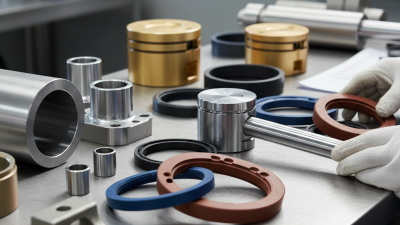
Choosing hydraulic cylinder parts in 2026 depends on pressure, temperature, speed, and contamination. In field inspections, seal failure remains a common cause of leakage and downtime. Polyurethane seals suit many mobile machines because they resist abrasion and repeated movement. For high heat, chemically resistant sealing materials may perform better. Dust wipers also matter. A damaged wiper can carry grit inside the cylinder.

The rod needs a hard, smooth surface with accurate straightness. Construction equipment often needs strong corrosion resistance because mud and water reach exposed rods. Stainless or specially coated rods can help, but coating quality matters more than appearance. A small scratch can cut a new seal quickly. I have seen cylinders with impressive rods fail because installation tools left sharp marks.

Pistons should match the cylinder bore, pressure, and expected side load. Heavy industrial presses may require strong metallic pistons, while lighter systems can use engineered materials to reduce weight. The piston seal must maintain contact without creating excessive friction. Bearings or guide rings control side loading between the piston, rod, and barrel. They are essential in long-stroke cylinders and lifting equipment. However, selecting them only by size is a mistake. Load direction, clearance, lubrication, and temperature deserve equal attention. Even reliable calculations need practical inspection data.

Maintenance and Replacement Guidelines for Hydraulic Cylinder Parts

What Are the 2026 Best Hydraulic Cylinder Parts?

Reliable hydraulic cylinder performance depends on correct maintenance, not only premium components. Inspect the rod, barrel, piston, gland, seals, wear rings, and mounting points during scheduled service. Look for scoring, rust, uneven wear, oil leakage, and looseness. A clean-looking seal can still be hardened inside. Small cracks around the rod seal deserve immediate attention.

Before removing any part, lower the equipment and release hydraulic pressure completely. Trapped pressure can cause sudden movement and serious injury. Clean the cylinder exterior before opening it. Dirt can enter quickly. Measure the rod diameter, bore, seal groove, and piston clearance with calibrated tools. Do not rely on memory or a rough visual match. Replacement seals must suit the fluid, temperature, pressure, and motion speed. Incorrect material selection often causes early failure.

Replace bent rods, deeply scored barrels, damaged threads, and distorted glands instead of polishing them carelessly. Install new seals with clean tools, correct orientation, and compatible assembly lubricant. Tighten fasteners according to verified service specifications. After assembly, move the cylinder slowly without a load, then check for leaks and abnormal noise. Pressure testing should follow approved workshop procedures. In practice, even experienced technicians can miss contamination beneath a wiper seal. That is worth reflecting on. A short inspection today may prevent a seized cylinder, damaged pump, and expensive equipment downtime tomorrow.

Choose a global leader for your hydraulics solutions

How can we help you?

Call to 0034 943884600 Contact us
Call us Contact us

We use cookies to ensure that we give you the best experience on our website. If you continue without changing your settings, we'll assume that you agree to receive cookies on the HINE website. For more information read our cookie policy page, click the link for more information.plugin cookies

ACEPTAR
Aviso de cookies