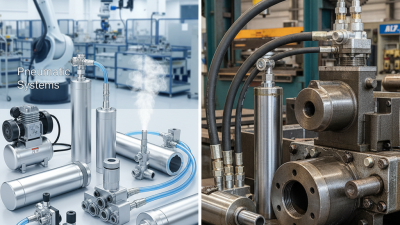
What Are China Top Pneumatic and Hydraulic Suppliers?
China has become a major sourcing base for pneumatic and hydraulic equipment, serving factories, distributors, and machinery builders worldwide. Its supplier market includes valve manufacturers, cylinder producers, pump specialists, fittings companies, and complete system integrators. Yet the word “top” needs careful interpretation. A large catalog does not always indicate reliable engineering or stable production.
This guide examines leading Chinese suppliers through practical and verifiable criteria. These include product quality, manufacturing experience, engineering capability, certifications, export history, and after-sales support. A dependable supplier should provide clear technical drawings, material details, pressure ratings, flow data, and test records. Factory audits can also reveal important details, such as organized assembly lines, calibrated testing equipment, and traceable components. Small details matter.
The guide also considers how suppliers perform in real purchasing situations. Can they maintain consistent dimensions across repeated orders? Do they respond accurately when a cylinder leaks or a valve fails during commissioning? Are spare parts available, and can delivery schedules withstand sudden demand? Standards such as ISO 9001, CE requirements, and application-specific safety rules should be verified rather than assumed. Documentation alone is not enough.
No supplier is perfect. Even experienced manufacturers may struggle with customization, communication, or urgent service. Rankings can also change as technology, management, and export policies develop. Therefore, this overview is designed as a starting point, not a final purchasing decision. Buyers should compare samples, inspect production evidence, confirm warranty terms, and test products under actual operating conditions before signing a long-term contract.
Understanding China’s Pneumatic and Hydraulic Supply Industry
What Are China Top Pneumatic and Hydraulic Suppliers?
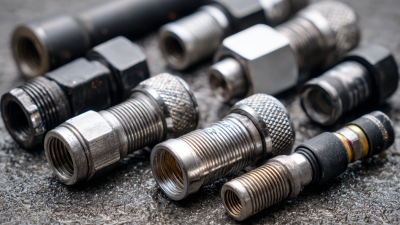
China’s pneumatic and hydraulic supply industry serves automation, construction, agriculture, transport, and factory maintenance. Its strength is broad manufacturing capacity. Suppliers produce cylinders, valves, pumps, fittings, filters, seals, and complete power units. Many factories also support OEM drawings and small design changes. However, product quality can differ sharply between suppliers. A polished catalog proves little by itself.
From practical sourcing experience, buyers should inspect more than price. Check material certificates, pressure-test records, seal specifications, thread standards, and batch traceability. Ask how the supplier controls machining tolerances. For a cylinder, review rod surface quality, bore accuracy, and leakage results. For a hydraulic pump, request flow data under stated pressure and speed. Factory audits can reveal basic details, such as clean assembly benches or poorly protected ports. These details matter. Still, audits are imperfect, and one visit may not represent every production shift.
Tips: Request samples before bulk orders. Compare actual dimensions with drawings. Confirm oil or air compatibility. Ask for spare-seal availability and realistic lead times. Keep written approval records. Do not rely on verbal promises. A useful supplier communicates technical limits clearly, even when the answer is inconvenient. That honesty is often more valuable than a low quotation.
Key Criteria for Evaluating Chinese Fluid Power Suppliers
Choosing China’s top pneumatic and hydraulic suppliers requires more than comparing online prices. Start with technical fit. Check working pressure, flow range, temperature limits, sealing materials, and connection standards. Ask for drawings, test reports, and sample units before placing a large order. A reliable supplier should explain performance limits clearly, not promise that every product fits every system.
Review manufacturing evidence carefully. Look for documented quality procedures, calibrated testing equipment, batch traceability, and inspection records. Factory audits can reveal storage conditions, assembly discipline, and real production capacity. Verify certifications through official sources. Speak with recent customers when possible. Delivery history also matters, especially for custom cylinders, valves, and pneumatic assemblies. A polished website can still hide weak process control. No checklist is perfect.
Tips: Send a detailed specification sheet with pressure, material, dimensions, quantity, and operating environment. Request a written quotation with lead time, warranty terms, spare-part support, and packaging details. Compare several samples under realistic loads. Test for leakage, noise, response speed, and repeatability. Keep records of every change. One missed question can matter. Also examine communication quality; unclear replies may create costly errors later. Suppliers should accept technical questions and admit limits. That honesty is often more valuable than a low initial price.
What Are China’s Top Pneumatic and Hydraulic Suppliers?
Key criteria for evaluating Chinese fluid power suppliers without relying on company or brand rankings.
This non-company-specific scorecard gives the greatest weight to product quality and compliance, followed by technical capability and delivery reliability. Buyers should verify quality-management certification such as ISO 9001, and check whether pneumatic and hydraulic products are designed and documented in line with relevant safety principles including ISO 4414 and ISO 4413. The percentages represent a practical procurement evaluation model rather than market-share data.
Leading Chinese Pneumatic Equipment Manufacturers
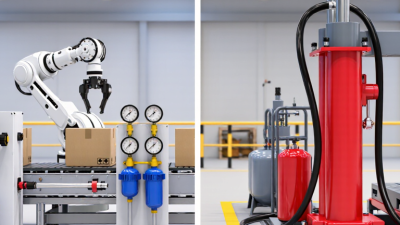
China’s leading pneumatic equipment manufacturers are gaining attention as factories demand faster, cleaner, and more measurable automation. Grand View Research estimates the global pneumatic equipment market will continue expanding through 2030, driven by packaging, electronics, food processing, and automotive production. China remains important because of its dense machining base and broad component supply chain.
A capable manufacturer should provide cylinders, valves, air preparation units, fittings, and customized assemblies. Look for testing records, material certificates, and traceable quality procedures. ISO 4414 guidance helps assess pneumatic safety and system design. ISO 8573-1 is also useful when compressed-air purity affects sensors or actuators.
Factory experience matters. Inspect the machining area, seal storage, and final testing stations. A reliable supplier should explain pressure ratings, cycle life, temperature limits, and replacement availability without hiding technical weaknesses. The International Federation of Robotics reported that China installed more industrial robots than any other country in 2023. That scale increases demand for stable pneumatic control.
Ask for sample testing first.
A catalog is not enough.
Energy use deserves attention. The U.S. Department of Energy notes that compressed-air systems can lose substantial energy through leaks and poor control. Manufacturers that offer leak testing, efficient valves, and realistic flow data may reduce operating costs. Still, no supplier is perfect. Delivery estimates can change, documentation may be incomplete, and advertised performance sometimes needs independent verification. Comparing three factories under identical test conditions is slower, but far more dependable.
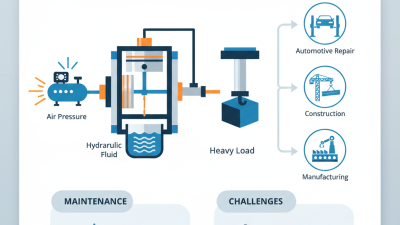
Leading Chinese Hydraulic Equipment Manufacturers
China’s hydraulic equipment manufacturers are gaining attention as global buyers seek reliable pumps, valves, cylinders, and power units. Grand View Research estimated the global hydraulic equipment market at about USD 49 billion in 2023, with continued growth expected through 2030. This expansion increases demand for Chinese suppliers with stable export experience, documented testing, and responsive engineering support.
The strongest manufacturers usually combine machining capacity with strict process control. During supplier reviews, inspect surface finishes, seal storage, cleanliness records, and pressure-test reports. Ask for flow, leakage, and endurance data, not only catalog values.
ISO 4413 guidance is useful for checking hydraulic system safety and installation practices. Industry reports from Research and Markets also identify construction, agriculture, and industrial automation as major demand areas. These sectors require different pressure ranges and duty cycles.
A practical audit should include a factory walk-through. Watch technicians assemble valves in controlled areas. Check whether test benches record pressure fluctuations automatically. Review spare-parts availability and realistic production schedules.
A low quotation can become expensive when contamination causes early pump failure. That risk is often underestimated. Chinese manufacturers can offer strong value, but supplier selection should not rely on price or polished websites alone. My own screening would still require sample testing, third-party inspection, and a small pilot order before wider purchasing.
How to Select the Right Supplier for Your Application
Selecting the right pneumatic or hydraulic supplier in China requires more than comparing prices. Match the supplier’s technical experience with your application. A factory handling food equipment may need different materials than a supplier serving construction machinery. Ask for pressure ranges, flow rates, seal materials, and operating temperatures. Small details prevent expensive failures.
Request documented test procedures, inspection records, and traceable material certificates. Reliable suppliers should explain how they control leakage, vibration, corrosion, and dimensional accuracy. Review samples under realistic conditions, not only on a clean demonstration bench. For example, test a cylinder through repeated cycles with the intended load. Ask how performance changes after prolonged use. Their answer often reveals practical knowledge.
Communication matters as much as production capacity. Confirm drawing formats, tolerances, packaging requirements, and response times before placing an order. A capable engineering team should identify design risks instead of accepting every request without questions. That is a useful sign. Still, do not rely on promises alone. Visit the facility when possible, or arrange an independent inspection. Even careful evaluations can miss issues, especially when specifications remain incomplete. Leave room for correction, and record every agreed detail in writing.