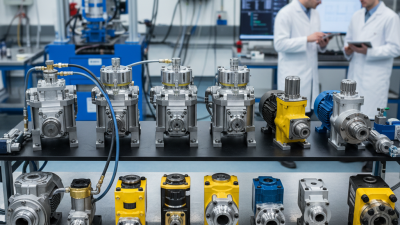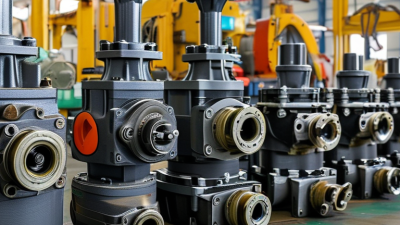

In the dynamic world of industrial machinery, the choice of tools is critical. An air hydraulic pump stands out as a powerful option. According to industry expert John Smith, "Air hydraulic pumps boost productivity and efficiency like nothing else." This statement captures the essence of why businesses should consider these pumps.
An air hydraulic pump combines air pressure with hydraulic technology to deliver high force with minimal effort. It's reliable, efficient, and perfect for various applications. These pumps can handle heavy loads, making them invaluable in garages, warehouses, and manufacturing plants. The versatility is impressive, yet some businesses overlook its full potential.
While the advantages are clear, some considerations must be made. Choosing the wrong pump may lead to inefficiencies. An air hydraulic pump needs proper maintenance to operate optimally. Despite these challenges, investing in an air hydraulic pump can transform operations. Careful selection and setup pave the way for enhanced performance and profitability.
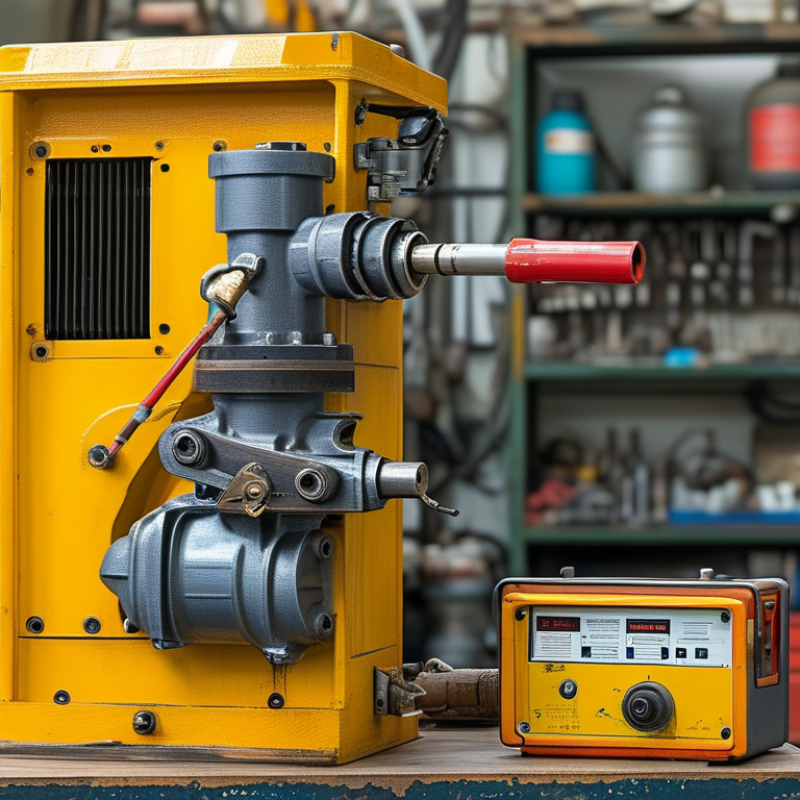
Air hydraulic pumps are becoming essential in various industrial applications. They offer unique advantages for businesses looking to enhance productivity. According to a recent industry report, the use of air hydraulic pumps has grown by over 25% in the last five years. This growth is due to their efficiency and versatility in lifting heavy loads.
One major advantage is their ability to generate higher force with less energy. Air hydraulic pumps can produce up to three times the pressure of standard hydraulic systems. This means operators can handle larger tasks with less physical strain and reduced energy consumption. Additionally, their compact design allows for easier integration into existing systems.
It's important to consider some practical tips. Ensure that there’s access to a reliable air source before installation. Regular maintenance checks are also crucial. Even the best systems can fail without proper care. Monitor performance data closely to identify any inefficiencies. Embracing these strategies can lead to greater operational efficiency and improved safety in your workplace.
Air hydraulic pumps are an invaluable tool for many businesses. Their ability to convert air pressure into hydraulic force brings significant advantages. One major benefit is cost efficiency. These pumps typically require less maintenance than electric versions. Fewer maintenance tasks mean lower operational costs. The energy consumption also tends to be lower, leading to lowered utility bills.
Utilizing air hydraulic pumps can enhance productivity. They often work faster and more consistently than traditional hydraulic systems. This efficiency can reduce the time needed for tasks, allowing businesses to take on more work. However, initial setup costs may be a consideration. Businesses must evaluate if the long-term savings justify the upfront investment.
It's noteworthy that not all applications may suit air hydraulic pumps. Some environments might not allow for compressed air use. Understanding specific needs ensures the right choice. Businesses can benefit from expert guidance to analyze their unique situations. This thoughtful approach can help maximize the advantages of air hydraulic pumps and their potential cost savings.
This chart illustrates the cost efficiency of using air hydraulic pumps in various dimensions such as initial investment, maintenance costs, energy savings, and workforce efficiency. By analyzing these factors, businesses can better understand the financial benefits of adopting air hydraulic pump technology.
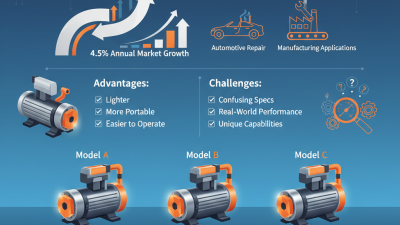
When considering fluid power solutions, air hydraulic pumps and electric pumps emerge as leading options. Each has its advantages and drawbacks for businesses. Air hydraulic pumps excel in portability and versatility. They are lightweight and often more adaptable than electric systems. According to a recent industry report, air hydraulic pumps can exert higher pressures more efficiently. This feature makes them valuable in heavy-duty applications, where rapid force is essential.
Conversely, electric pumps offer energy efficiency and consistent power. They require less maintenance, as they do not rely on compressed air. However, the initial setup and operational costs can be higher. In fact, data shows that electric pumps consume about 20-30% more energy than their air hydraulic counterparts in high-demand scenarios. Businesses must weigh these aspects.
Air hydraulic pumps may perform better in remote areas with limited power access. Yet, they can lack the precision that some applications demand. Electric pumps shine where precision and stability are paramount, despite their additional electrical requirements. Decisions often hinge on specific business needs, operational environments, and labor capabilities. Choosing between these systems is not straightforward; understanding these trade-offs is crucial.
| Feature | Air Hydraulic Pumps | Electric Pumps |
|---|---|---|
| Power Source | Compressed Air | Electricity |
| Efficiency | High in heavy-duty applications | Moderate, varies with motor efficiency |
| Maintenance | Requires regular maintenance of air system | Less frequent maintenance |
| Portability | Highly portable | Less portable due to power requirement |
| Cost | Generally lower initial cost | Higher initial cost but can be cost-effective |
| Noise Level | Louder due to air compressor | Generally quieter operation |
| Application | Excellent for remote locations | Best for stationary or semi-stationary setups |
When selecting an air hydraulic pump, key features play a crucial role. One important factor is the maximum pressure rating, which often ranges from 5,000 to 10,000 psi. This range gives flexibility for various applications. Additionally, look into the pump's flow rate. Most pumps offer flow rates between 1 to 16 gallons per minute. These specifications can greatly influence productivity.
Another essential feature is the pump's material and design. A sturdy construction affects durability and performance. Pumps made from high-grade materials can withstand intense operational conditions. Industry data indicates that nearly 20% of equipment failures stem from inferior materials. Consider portable options as well. Many businesses prefer lightweight models for easier transport in job sites.
Check for compatibility with your existing systems. Mismatched units can lead to inefficiencies and operational challenges. Ensure you factor in maintenance requirements. A well-maintained pump can last up to 10 years, according to industry reports. In contrast, neglected pumps may only serve half that time. Strive for a balance between cost and quality. A lower upfront cost may lead to higher long-term expenses.
Testing the pump’s features before a full purchase can be beneficial. This often reveals issues not apparent in specifications alone. Engage with experienced professionals for insights on operational needs. Their expertise can guide you in making an informed decision that maximizes efficiency and minimizes risks.
Air hydraulic pumps are essential for many industries. However, proper maintenance ensures they remain efficient. Regularly checking the fluid levels can prevent potential failures. Low fluid levels can lead to overheating and damage. Always inspect hoses and connections for wear. A simple visual check can save costly repairs.
Cleaning is another vital aspect. Dust and debris can accumulate. This buildup can affect performance over time. Regularly clean the exterior surfaces. Use a non-abrasive cloth to avoid scratches. It is essential to address leaks immediately. Even minor leaks can indicate bigger problems. If you notice any, seek professional help.
Lastly, storing pumps correctly extends their lifespan. Keep them in a dry environment away from extreme temperatures. While it may seem minor, improper storage can lead to corrosion. These small actions create a more reliable tool. A well-maintained air hydraulic pump is a valuable asset. Taking the time for maintenance can enhance operational efficiency.
How can we help you?
Call to 0034 943884600 Contact usWe use cookies to ensure that we give you the best experience on our website. If you continue without changing your settings, we'll assume that you agree to receive cookies on the HINE website. For more information read our cookie policy page, click the link for more information.plugin cookies
ACEPTAR