

Top 10 Hydraulic Repair Companies for Global Buyers
Choosing a hydraulic repair partner is rarely just about finding the nearest workshop. A failed pump can stop a production line; a leaking cylinder can leave a machine idle while replacement parts cross an ocean. For global buyers, response time matters, but so do diagnostic skill, parts access, test records, warranty terms, and clear communication across time zones. The right provider should explain what failed, what was tested, and what may need attention next. Details matter.
Herbert E. Merritt, author of Hydraulic Control Systems, offers a useful systems-engineering perspective. In paraphrase: “Diagnose the complete hydraulic circuit before replacing individual components.” That principle guides this overview of the top 10 hydraulic repair companies for global buyers. The list considers service coverage, technical capabilities, industry experience, and evidence of quality controls—not just polished websites or broad promises. Buyers should still verify local support and current service terms directly; coverage can change, and a strong reputation does not guarantee a good fit for every machine. No shortlist is perfect. A provider may excel at mobile equipment yet lack the test equipment your industrial system requires. Use these profiles as a starting point, then ask practical questions about failure analysis, turnaround estimates, parts sourcing, and documented testing. The small print matters, too.
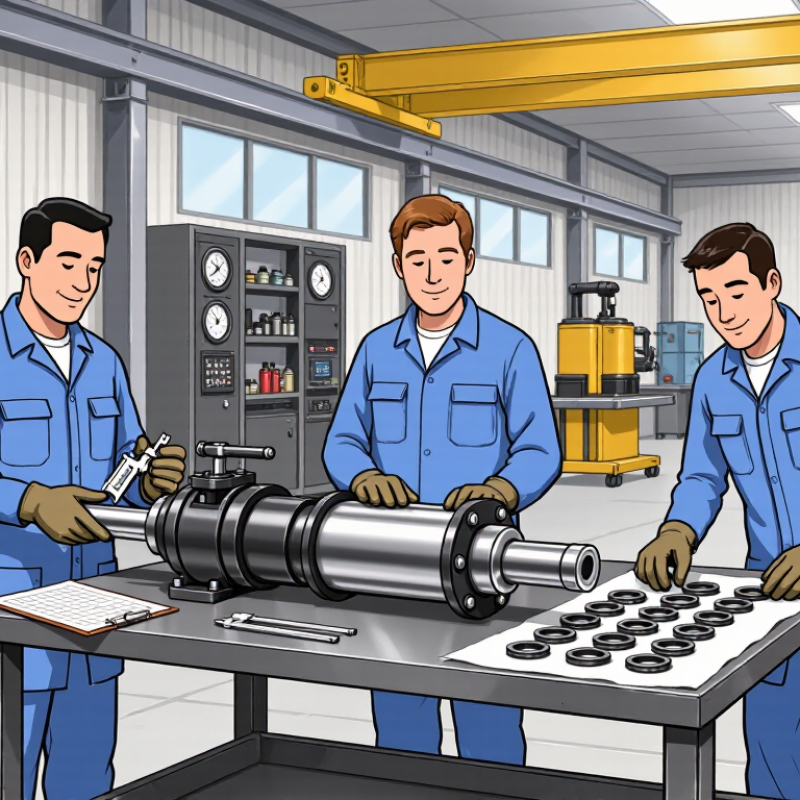
Hydraulic Repair Services and Their Role in Global Industry
Hydraulic repair services keep presses, loaders, marine equipment, and production lines moving when fluid power fails. A leaking cylinder may leave a bright oil streak on a factory floor; a worn pump can cause slow, uneven motion. Repair teams inspect pressure, temperature, fluid condition, and component wear before choosing whether to rebuild or replace parts. Good diagnosis matters. Replacing a seal without checking shaft damage may only postpone the next failure.
For global industry, repair capacity matters where equipment operates far from suppliers or runs across long shifts. Skilled technicians can restore pumps, valves, motors, cylinders, and control lines. Careful cleaning helps prevent debris from damaging repaired components. Clear service records let buyers compare work across sites. They should show test results, replaced parts, and operating limits, not merely mark a job complete.
A dependable provider explains delays and what cannot be confirmed. Not every fault is obvious. Intermittent overheating, for example, may involve load, fluid viscosity, or restricted cooling. A workshop test may not reproduce field conditions. Buyers should ask about inspection methods, pressure testing, warranty terms, and parts traceability. Repairs are not magic. Results still vary, so routine checks remain necessary.
Top 10 Hydraulic Repair Companies for Global Buyers - Hydraulic Repair Services and Their Role in Global Industry
Buyer-oriented overview of ten common hydraulic service-provider types, not a ranked list of named companies. Capabilities, response times, and geographic coverage vary by provider and location; verify them directly before contracting.
| No. | Provider Type | Typical Repair Services | Common Industries Served | Global Industry Role | Buyer Checks |
|---|---|---|---|---|---|
| 1 | Independent hydraulic repair workshop | Inspection, troubleshooting, seal replacement, component repair, and system testing. | Manufacturing, construction, agriculture, transport, and general industry. | Provides local or regional repair capacity for hydraulic equipment and helps reduce avoidable component replacement. | Confirm workshop equipment, documented test procedures, parts availability, and repair warranty terms. |
| 2 | On-site hydraulic field-service provider | Fault diagnosis, hose and fitting replacement, leak repair, flushing, and equipment commissioning. | Construction, utilities, ports, mining, and remote industrial operations. | Can address faults at the operating site, limiting the need to transport large or installed machinery to a workshop. | Check service-area coverage, technician qualifications, emergency availability, and site-safety requirements. |
| 3 | Hydraulic-cylinder specialist | Cylinder disassembly, rod and barrel inspection, seal replacement, honing, and pressure testing. | Earthmoving, agriculture, material handling, marine, and industrial machinery. | Supports the repair of linear actuators that lift, press, steer, or position equipment across many sectors. | Ask about maximum cylinder dimensions, rod-repair options, test pressure, and inspection reporting. |
| 4 | Pump and hydraulic-motor repair specialist | Component inspection, wear measurement, reconditioning, parts replacement, and performance testing. | Mobile machinery, manufacturing, mining, agriculture, and marine applications. | Helps restore hydraulic power generation and transmission, which are central to machine movement and process control. | Verify test-bench capability, measured test results, repair scope, and component traceability. |
| 5 | Hydraulic hose and fluid-service provider | Hose assembly, fitting replacement, leak repair, fluid sampling, filtration, and contamination control. | Transport, construction, forestry, agriculture, and industrial maintenance. | Supports system reliability by addressing fluid-transfer failures and helping maintain hydraulic-fluid cleanliness. | Confirm hose and fitting specifications, cleanliness procedures, pressure-rating documentation, and fluid-handling practices. |
| 6 | Mobile-equipment service center | Hydraulic diagnosis and repair as part of broader equipment maintenance, including system and control checks. | Construction, earthmoving, forestry, agriculture, and material handling. | Combines hydraulic work with machine-level troubleshooting, useful when a fault may involve multiple equipment systems. | Check experience with the equipment type, diagnostic capabilities, parts sourcing, and service support after repair. |
| 7 | Industrial maintenance contractor | Hydraulic power-unit maintenance, valve and actuator repair, system troubleshooting, and planned maintenance. | Manufacturing, processing, energy, and automated production facilities. | Helps industrial sites maintain hydraulic systems used in presses, production lines, and process equipment. | Review maintenance procedures, shutdown-planning experience, risk assessments, and service documentation. |
| 8 | Marine and offshore hydraulic service provider | Repair and testing of hydraulic systems used in deck machinery, steering, lifting equipment, and offshore installations. | Commercial shipping, ports, shipyards, and offshore operations. | Supports equipment operating in demanding marine environments where access, corrosion, and uptime can be significant concerns. | Verify relevant marine-site experience, access arrangements, inspection records, and applicable project requirements. |
| 9 | Mining and heavy-industry service provider | On-site troubleshooting, heavy-component repair, planned maintenance, and support for harsh operating conditions. | Mining, quarrying, mineral processing, and heavy construction. | Helps maintain hydraulic machinery used in high-duty-cycle operations, where downtime can disrupt production. | Ask about remote-site logistics, lifting and handling capability, safety systems, and repair turnaround arrangements. |
| 10 | Hydraulic component remanufacturing and rebuild center | Component teardown, cleaning, inspection, replacement of worn parts, reassembly, and functional testing. | Industrial equipment, mobile machinery, transport, agriculture, and energy. | Offers a repair or rebuild route for selected components and may help extend service life compared with replacing the complete assembly. | Request a written scope, parts list, test results, lead time, warranty conditions, and clear definitions of remanufacturing work. |
Related Posts
-
China Top Hydraulic Repair Shops for Global Buyers?
-
How to Effectively Perform Hydraulic Repair: Step-by-Step Guide for Beginners
-

Unlocking Hydraulic Repair Excellence A Comprehensive Guide to Efficient Solutions
-
How to Choose the Best Hydraulic Repair Service for Your Needs?
-
How to Effectively Perform Hydraulic Hose Repair for Optimal Performance?
-

Essential Tips for Hydraulic Pump Repair You Need to Know?
Choose a global leader for your hydraulics solutions
How can we help you?
Call to 0034 943884600 Contact us