Top 10 Hydraulic Repair Tips Every Buyer Should Know?
Hydraulic repair is essential for maintaining machinery and equipment. Understanding the complexities of hydraulic systems can seem daunting, but with the right tips, you can navigate repairs more effectively. This guide highlights ten crucial hydraulic repair tips every buyer should consider.
Knowing common issues is the first step. Many users overlook simple maintenance routines, leading to bigger problems. Regular inspections can save you time and money. Familiarity with your system's components is vital. It empowers you to make informed decisions.
Additionally, seek expert advice when in doubt. Hydraulic systems can be intricate; sometimes, a professional's touch is needed. Engaging with industry professionals enhances your understanding. Remember, no repair is too trivial to overlook. Each small adjustment can extend your machinery's lifespan. Balancing practical knowledge with professional insight is key to mastering hydraulic repair.
Understanding Hydraulic Systems: A Comprehensive Overview
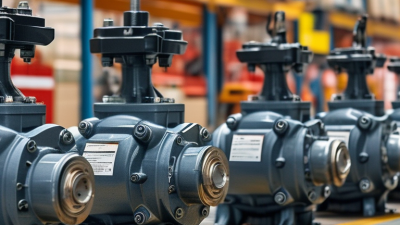
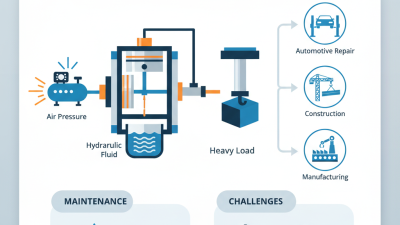
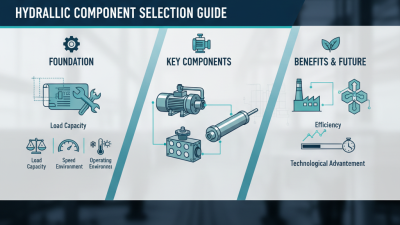
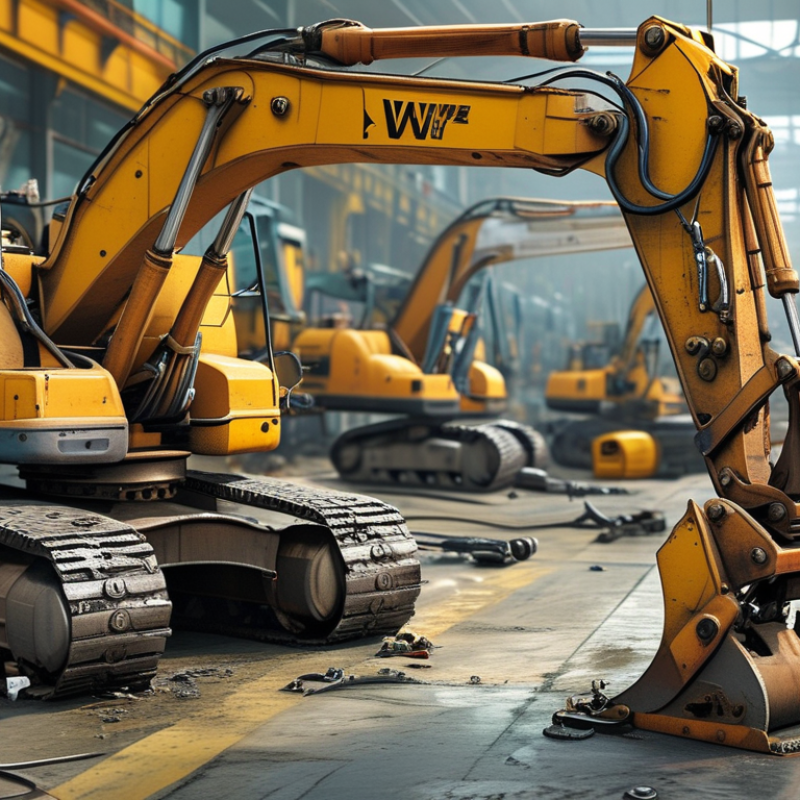
Hydraulic systems are crucial in various industries, providing power and precision. Understanding these systems involves recognizing their components, such as pumps, cylinders, and hoses. Each piece plays a vital role in overall functionality. For instance, a pump generates flow, while a cylinder converts that flow into mechanical work. Regular maintenance is essential to ensure longevity and reliability.
Common issues include leaks, which can lead to reduced efficiency. A small leak can become a major problem if not addressed. Monitoring fluid levels is critical. Many users overlook the importance of proper fluid selection, which can affect system performance. Temperature variations can also influence hydraulic fluid viscosity, leading to operational challenges.
Users should not underestimate the value of documentation. Keeping records of repairs and maintenance helps in diagnosing future issues. Familiarity with your specific system improves troubleshooting skills. However, not all users have this depth of understanding, which can complicate repair processes. A proactive approach prevents costly failures, making education and awareness vital for all hydraulic system users.
Common Hydraulic Issues: Identifying Problems in Equipment
Hydraulic systems are vital in many industries, providing essential power and movement for machinery. However, they can experience common issues that may lead to costly downtime. Recognizing these problems early is crucial for maintenance and repair. According to various industry reports, up to 30% of hydraulic system failures come from fluid contamination. That can damage components and reduce efficiency dramatically.
Another reported issue involves leaks, which can result from wear, poor seals, or improper fittings. Research indicates that leaking fluids lead to a significant loss in efficiency—sometimes as high as 15% in some systems. Operators are advised to perform regular visual checks and maintain proper fluid levels to mitigate these risks. Keeping an eye on temperature changes is also essential, as overheating can indicate underlying problems, such as worn-out pumps or inadequate airflow.
Users should familiarize themselves with strange noises or irregular machine behavior. These can serve as warning signs for imminent failure. Identifying such issues promptly can save both time and money in repairs. Recognizing these common hydraulic issues is a necessary skill for operators. Regular training and investment in diagnostic tools may enhance a team's ability to manage hydraulic systems efficiently.
Essential Tools for Hydraulic Repairs: A Buyer’s Guide
When handling hydraulic repairs, having the right tools is essential. A basic toolkit should include wrenches, pliers, and seal kits. Each of these tools has specific functions that can address various issues in hydraulic systems. For instance, wrenches help in tightening or loosening fittings. Pliers are valuable for manipulating hoses and other components.
Understanding what each tool does can elevate your repair skills. With practice, you’ll develop an intuition about which tool works best for various tasks. You might encounter stubborn fittings that require extra force. In such cases, proper grip and leverage become key. Safety should never be overlooked; always wear protective gear when working with hydraulic systems.
Common mistakes often occur due to overlooking simple tools. A small inspection mirror can aid in spotting leaks in hard-to-reach areas. Relying solely on bigger tools might lead you to miss these nuances. Regularly maintaining your tools is important to ensure their efficiency. Remember, comprehensive knowledge paired with the right equipment makes for a reliable repair process.
Preventative Maintenance Techniques for Hydraulic Systems
Hydraulic systems are vital in various industries, from construction to manufacturing. Yet, many buyers overlook maintenance. According to a report by the International Fluid Power Society, inadequate maintenance leads to 30% of hydraulic system failures. Regular checks can significantly reduce operational costs and increase efficiency.
Preventative maintenance techniques can enhance the lifespan of hydraulic systems. Checking fluid levels and ensuring proper filtration can prevent wear and tear. Using the correct hydraulic oil is essential, as different applications require specific oil types to perform effectively. Regularly inspecting hoses and connections for leaks is also crucial. A small leak can lead to significant hydraulic failures over time, impacting performance and safety.
Training employees on proper operation can reduce accidents. Many incidents result from misuse or lack of understanding. Creating a culture that prioritizes maintenance can lead to better overall performance. The industry standard suggests that preventative maintenance can extend equipment life by up to 50%. A proactive approach is essential for every hydraulic system buyer.
Top 10 Hydraulic Repair Tips Every Buyer Should Know
Understanding preventative maintenance techniques for hydraulic systems is crucial to extend their lifespan and efficiency. Below is a bar chart that illustrates common maintenance practices and their effectiveness based on user feedback.
Safety Protocols When Repairing Hydraulic Machinery
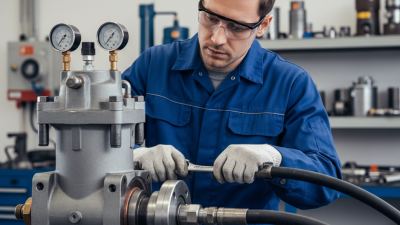
When working on hydraulic machinery, safety should always come first. Understanding the potential hazards is crucial for anyone involved in repairs. Hydraulic systems operate under high pressure, which can lead to severe injuries if not handled correctly. Always wear appropriate personal protective equipment, such as gloves and goggles.
It is vital to familiarize yourself with the machinery before beginning repairs. Evaluate the work area and ensure it is free of unnecessary distractions. Look for any leaks or signs of wear in hydraulic lines. If you notice any damage, do not attempt to repair it without adequate training. Recognize when to seek professional help.
Always follow lockout/tagout procedures to prevent accidental machinery movement. This practice can save lives. When using tools, ensure they are in good condition and suitable for hydraulic repairs. Proper tools help avoid mistakes and reduce the risk of accidents. Leaving a work area tidy can also prevent slips and trips.