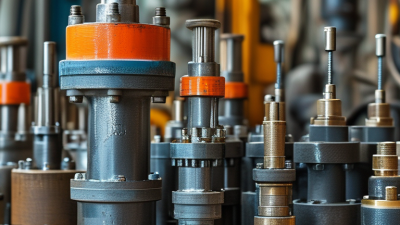

What Are the Top Hydraulic Solutions for Global Buyers?

Global buyers need hydraulic solutions that perform reliably across different climates, industries, and operating standards. A system working in a clean European factory may face dust, heat, or unstable power elsewhere. That difference matters. Pumps, valves, cylinders, filters, and power units must match the application, not merely the catalogue description. Experienced buyers usually examine pressure ratings, flow capacity, fluid compatibility, noise levels, and maintenance access before placing an order. They also check whether replacement seals and trained technicians are available locally. Small details count.

The strongest suppliers provide more than individual components. They offer engineered packages, technical drawings, testing records, installation guidance, and responsive after-sales support. Certifications can build confidence, but documents alone do not prove field performance. Real project references, transparent material information, and consistent quality control deserve equal attention. Buyers should ask how a supplier handles leakage reports, delivery delays, and design changes. Those questions reveal practical reliability. It is easy to compare prices. It is harder to measure downtime. This guide examines leading hydraulic solutions for mobile equipment, manufacturing lines, construction machinery, agriculture, and energy applications. It considers efficiency, durability, customization, total ownership cost, and supplier accountability. No shortlist is perfect. A technically impressive system may still be unsuitable if servicing is difficult or documentation is unclear. Careful evaluation remains essential, especially when equipment must operate safely across borders and under demanding conditions.
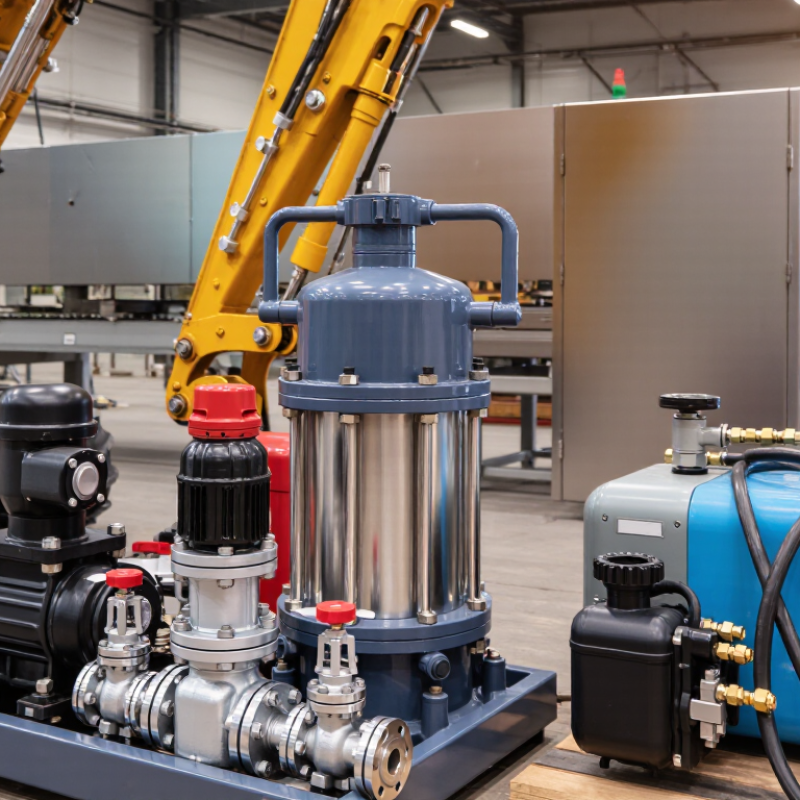
What Are the Top Hydraulic Solutions for Global Buyers?

Hydraulic Power Systems: Core Components and Operating Principles

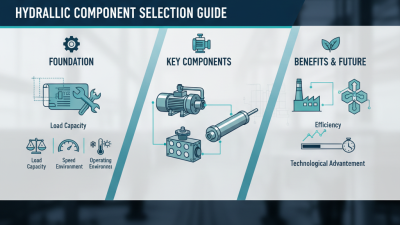
Hydraulic power systems turn fluid pressure into controlled mechanical movement. Their core components work as one circuit. A pump draws filtered fluid from the reservoir and creates flow. Pressure rises only when resistance appears. Valves direct, regulate, or release that pressure. Actuators convert hydraulic energy into linear or rotary motion. Cylinders push loads. Motors create rotation. This relationship is simple, but sizing errors can become expensive.

In field installations, I check the reservoir, filtration, hoses, seals, and return lines before commissioning. Clean fluid protects close-tolerance valves and extends component life. A pressure gauge near the actuator reveals real operating conditions, not assumptions.

Heat is another warning sign. Excessive temperature often indicates leakage, oversized restrictions, or continuous relief-valve activity. The system may still move. That does not mean it is healthy.

Buyers should request flow, pressure, duty-cycle, fluid, and ambient-temperature data. Without these details, a technically impressive package may perform poorly. I have seen small installation mistakes create unstable motion and unnecessary noise. Some recommendations need rechecking after real load tests.

Tips:

Select components by required force, speed, and duty cycle. Add accessible test points. Protect hoses from abrasion and sharp bends. Schedule fluid sampling, filter checks, and leak inspections. Never treat the relief valve as a normal control device.

Key Hydraulic Solutions for Industrial, Mobile, and Agricultural Equipment

Industrial equipment needs stable hydraulic power under continuous loads. Hydraulic power units, directional valves, cylinders, and filtration systems form a dependable foundation. Buyers should match flow rate, pressure rating, duty cycle, and fluid compatibility with each machine. A small mismatch can create heat, noise, or premature seal wear.

Mobile equipment demands compact and responsive solutions. Load-sensing circuits can reduce energy waste during changing operations. Proportional valves help excavators, lifting platforms, and forestry machines move with better control. Agricultural equipment needs reliable cylinders, motors, and filtration for dusty fields. Corrosion-resistant components also matter when machines face rain, fertilizer, and seasonal storage.

Tips: Ask for pressure-flow curves, test records, seal materials, and maintenance guidance. Confirm connection sizes before ordering. Request samples when tolerances are critical. Field inspections often reveal contamination problems that specifications miss. Clean oil matters most. Buyers should also review service access, spare-part availability, and warranty terms across regions. No system is perfect. Even a well-designed circuit may perform poorly after incorrect hose routing or neglected filtration. That detail is easy to overlook.

What Are the Top Hydraulic Solutions for Global Buyers? — Key Hydraulic Solutions for Industrial, Mobile, and Agricultural Equipment
Equipment Sector Hydraulic Solution Typical Function Typical Operating Pressure Typical Flow Range Common Fluid and Materials Key Selection Criteria
Industrial Equipment Hydraulic power unit Supplies pressurized fluid to cylinders, motors, clamps, presses, and automation systems. 70–250 bar 5–250 L/min
  • Mineral-based hydraulic oil is commonly used.
  • Steel reservoirs and oil-resistant sealing elements are typical.
  • Motor power and pump displacement
  • Reservoir capacity and heat dissipation
  • Filtration level and noise requirements
Industrial Equipment Hydraulic cylinder Converts fluid pressure into controlled linear force for pressing, lifting, positioning, and clamping. 100–350 bar Application-dependent
  • Honed steel barrel and chrome-plated rod are widely used.
  • Seal selection depends on temperature, pressure, and fluid type.
  • Required force and stroke length
  • Mounting arrangement and buckling risk
  • Side-load exposure and cycle frequency
Industrial Equipment Directional control valve Controls the direction, start, and stop of hydraulic flow to actuators. Up to 350 bar 5–600 L/min
  • Steel or cast-iron bodies are common.
  • Spool and poppet designs support different leakage and response requirements.
  • Number of ports and spool positions
  • Flow capacity and pressure drop
  • Manual, solenoid, pilot, or proportional control
Industrial Equipment Pressure filtration system Removes particles from pressurized fluid to protect pumps, valves, and actuators. 70–420 bar 10–500 L/min
  • Cellulose, glass-fiber, and wire-mesh elements are used for different duties.
  • Filter housings are commonly made from steel or aluminum.
  • Required cleanliness level
  • Beta ratio and micron rating
  • Bypass pressure and clogging indication
Mobile Equipment Load-sensing hydraulic system Adjusts pump output according to demand to reduce throttling losses and improve fuel efficiency. 180–350 bar 20–500 L/min
  • Mineral hydraulic oil is commonly specified.
  • Pressure-compensated pumps and proportional valves are typical components.
  • Standby pressure and control response
  • Multiple-function priority management
  • Thermal performance and electronic compatibility
Mobile Equipment Hydraulic motor Converts hydraulic energy into rotary motion for travel drives, winches, conveyors, and attachments. 140–450 bar 10–400 L/min
  • Gear, vane, and piston motor designs serve different torque and speed requirements.
  • Housings are commonly produced from cast iron or aluminum alloys.
  • Required torque and rotational speed
  • Continuous or intermittent duty cycle
  • Case-drain, shock-load, and braking requirements
Mobile Equipment Hydraulic hose and tube assembly Transfers pressurized fluid between pumps, valves, cylinders, and motors while accommodating movement and vibration. 70–700 bar Application-dependent
  • Wire-braided or spiral-reinforced elastomeric hoses are common.
  • Steel tubing is often used for fixed routing.
  • Working and burst pressure
  • Bend radius and temperature range
  • Outer-cover resistance to abrasion, oil, and weather
Agricultural Equipment Tractor three-point hitch hydraulic system Lifts, lowers, and positions mounted implements using hydraulic cylinders and control valves. 160–250 bar 30–150 L/min
  • Mineral-based hydraulic-transmission fluids are widely used.
  • High-strength steel links, rods, and cylinders are typical.
  • Lift capacity and hitch geometry
  • Draft and position control
  • Compatibility with tractor auxiliary circuits
Agricultural Equipment Hydraulic remote valve and coupler Connects tractor hydraulic flow to external implements such as loaders, balers, seeders, and trailers. 160–300 bar 20–180 L/min
  • Hardened steel couplers and corrosion-resistant surface treatments are common.
  • Seals must tolerate oil, temperature variation, and outdoor exposure.
  • Coupler size and interchange requirements
  • Flow rating and pressure rating
  • Ease of connection, contamination control, and leakage prevention
Agricultural Equipment Hydraulic fan-drive system Provides variable-speed airflow for seed metering, fertilizer distribution, cooling, and crop-processing equipment. 100–250 bar 15–120 L/min
  • Hydraulic oil compatible with the host machine is typically used.
  • Orbital or piston motors may be selected according to speed and torque demand.
  • Required fan speed and torque
  • Speed control stability
  • Heat generation, dust protection, and service access
General Hydraulic Systems Accumulator system Stores hydraulic energy, absorbs pressure pulsations, compensates for leakage, and provides emergency actuation. Up to 350 bar Short-duration flow support
  • Bladder, piston, and diaphragm designs are used.
  • Pre-charge gas is normally nitrogen rather than oxygen or compressed air.
  • Gas volume and pre-charge pressure
  • Temperature and cycle frequency
  • Applicable pressure-vessel safety requirements
Typical values are indicative engineering ranges. Final selection should be based on the equipment duty cycle, fluid specification, ambient temperature, contamination level, applicable safety requirements, and verified component ratings.

How to Compare Hydraulic Pumps, Valves, Motors, and Cylinders

Global buyers should compare hydraulic components as a working system, not as isolated products. A pump must provide suitable flow and pressure for the required duty cycle. Excess capacity can increase heat, energy use, and operating cost. Check displacement, efficiency, speed range, noise, and fluid compatibility. A clear performance curve matters more than a polished sales description.

Valves require closer attention to control behavior. Compare rated flow, pressure drop, response time, leakage, and mounting standards. Proportional valves offer finer control, but they may demand cleaner oil and better electrical integration. Hydraulic motors should match torque, speed, starting load, and braking conditions. A motor rated for peak torque may still perform poorly during repeated reversals. Small details matter.

Cylinders are compared through bore size, rod diameter, stroke, mounting style, and side-load resistance. Seals must suit temperature, pressure, and the selected fluid. In field inspections, contamination often explains failures better than component quality. A reliable comparison includes filtration, service access, spare-part availability, test records, and technical documentation. A neat spreadsheet can still mislead. Real machine cycles are rarely perfect. Buyers should request verified data under realistic temperatures and loads, then question any specification that appears unusually optimistic.

Selection Criteria for Global Buyers: Performance, Safety, and Compatibility

Global buyers often choose hydraulic power units, cylinders, valves, and filtration systems for demanding equipment. Performance begins with correct pressure and flow calculations. A cylinder rated for 250 bar may still perform poorly with unstable flow. Specify duty cycles, load changes, operating speed, and ambient temperatures. Test data should include leakage rates, response time, noise, and heat generation.

Safety requires more than a pressure rating. Select relief valves, emergency stops, hose protection, and secure fittings for the actual installation. Ask for material certificates, inspection records, and traceable test reports. Clear maintenance instructions matter too. A small leak can become a serious hazard. Local regulations may also require different guarding or documentation.

Compatibility deserves careful attention. Check fluid type, seal materials, port standards, mounting dimensions, electrical voltage, and control signals. Temperature can change viscosity and weaken unsuitable seals. Dust, salt, and humidity demand stronger corrosion protection. Supplier support should include spare parts, training, and responsive technical advice across regions. A familiar specification is not always a suitable one. Field conditions often expose gaps that laboratory tests miss. No selection is perfect. Review real operating data after installation, and revise the design when evidence demands it.

Sourcing, Certification, Maintenance, and Lifecycle Cost Considerations

Global buyers need more than a low purchase price when selecting hydraulic solutions. Fortune Business Insights estimates the hydraulic equipment market reached USD 46.09 billion in 2023, with steady growth expected through 2032. This expansion increases supplier choices, but also increases sourcing risks. Request pressure-test records, material traceability, valve specifications, and documented factory inspections. Suppliers should explain component tolerances clearly. Vague answers are warning signs.

Certification must match the destination market and application. ISO 4413 provides key safety principles for hydraulic systems, while ISO 4406 supports contamination-control requirements. Ask for current conformity documents, not scanned certificates without traceable product references. A certificate is not proof of field reliability. A perfect compliance file can still hide poor assembly practices. Buyers should verify emergency shutdown design, hose ratings, noise levels, and operator protection through independent testing where possible.

Maintenance planning strongly affects lifecycle cost. The U.S. Department of Energy reports that pumping systems can represent 25% to 50% of industrial electricity use, offering a useful benchmark for hydraulic power units. Efficient pumps, correct filtration, leak detection, and condition monitoring can reduce wasted energy. Service intervals should reflect dust, temperature, duty cycle, and fluid cleanliness. Cheap seals can become expensive downtime. Buyers should compare five-year costs, including oil analysis, spare parts, technician travel, disposal, and unplanned production losses. This calculation is often incomplete. It should be reviewed with maintenance teams before signing the contract.

Choose a global leader for your hydraulics solutions

How can we help you?

Call to 0034 943884600 Contact us
Call us Contact us

We use cookies to ensure that we give you the best experience on our website. If you continue without changing your settings, we'll assume that you agree to receive cookies on the HINE website. For more information read our cookie policy page, click the link for more information.plugin cookies

ACEPTAR
Aviso de cookies