
Buying hydraulic fittings in 2026 requires more than comparing prices on a supplier website. Global buyers must match each connection with pressure, temperature, fluid type, vibration, and installation conditions. A fitting that works reliably on a warehouse press may fail on mobile equipment exposed to dirt, shock, and rapid temperature changes.
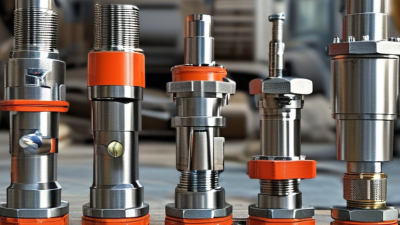
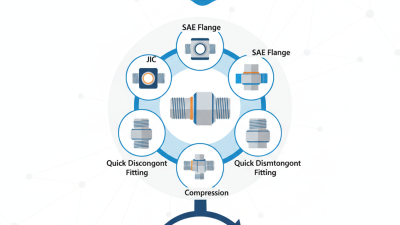
This guide examines practical choices for hydraulic fittings used in construction, agriculture, manufacturing, energy, and transport. It considers stainless steel, carbon steel, brass, and plated finishes, along with metric, BSP, NPT, JIC, ORFS, and other thread systems. It also reviews pressure ratings, sealing methods, dimensional accuracy, corrosion resistance, and compatibility with ISO 8434, SAE J514, and relevant regional requirements. Small details matter. A damaged cone, mixed thread, or over-tightened nut can create leakage and downtime.
Reliable sourcing depends on evidence, not confident claims. Buyers should request material certificates, batch traceability, pressure-test records, coating information, and clear inspection procedures. Experienced suppliers can explain why a fitting suits a specific hose assembly instead of simply recommending their fastest-selling product. Still, no selection guide removes every risk. Field conditions are often messier than drawings suggest. A cheaper fitting may pass an initial test yet perform poorly after repeated vibration or salt exposure. This article compares leading options honestly, including their limitations, so international purchasers can make safer, more consistent decisions. Mistakes remain possible, especially when local standards or installation habits are overlooked.
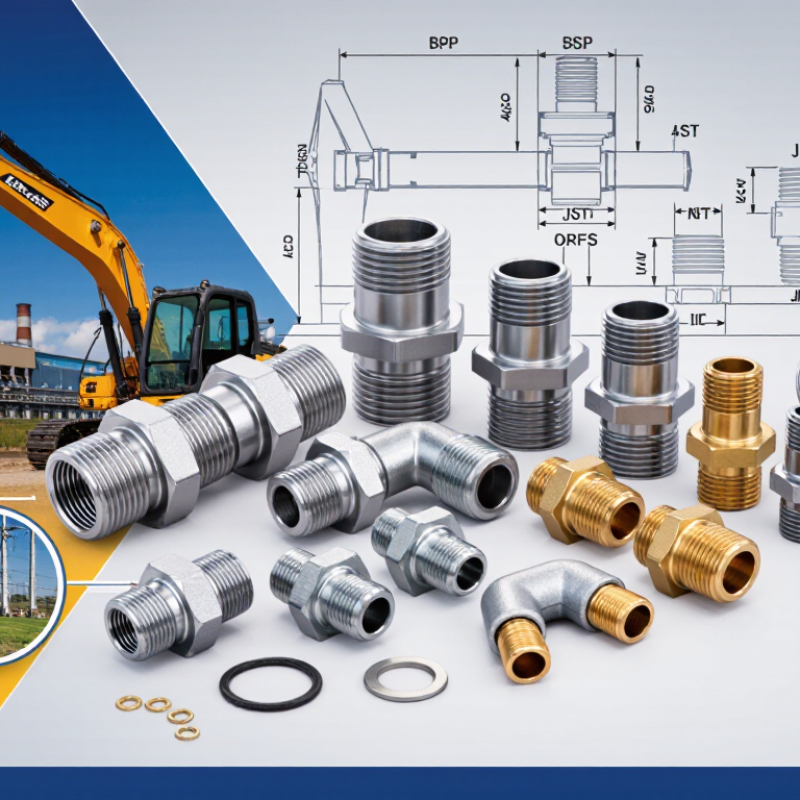
Hydraulic fittings connect pumps, valves, hoses, and actuators while containing pressurized fluid. Their geometry controls flow, sealing, and maintenance access. A fitting can look minor, yet one poorly matched thread may stop an entire machine.
Fortune Business Insights valued the global hydraulic equipment market at USD 44.6 billion in 2023. Its 2024 report projects USD 65.7 billion by 2032. This growth increases demand for dependable connection hardware, but market size does not guarantee quality. Buyers should verify pressure ratings, temperature limits, thread standards, and material compatibility. ISO 4413:2010 also stresses risk reduction, safe installation, and protection from stored hydraulic energy. Practical inspection matters. Check for damaged threads, uneven tube insertion, and visible seal distortion. Small errors become expensive leaks.
Thread identification deserves special attention. BSP, NPT, JIC, metric, and ORFS connections are not automatically interchangeable. A short field test can help: clean the port, confirm the thread profile, and compare dimensions with calibrated gauges. Do not rely on appearance alone. I have seen fittings that assembled easily but failed under vibration. That mistake is embarrassing, and still common. MarketsandMarkets’ 2024 hydraulic equipment analysis identifies industrial automation, construction, and mobile machinery as major demand areas. These applications need fittings that tolerate pressure pulses, contamination, and repeated movement. The best 2026 choice is therefore not the cheapest fitting. It is the verified fitting matched to the system’s real duty cycle.
2026 buyers should match fitting geometry to pressure, motion, and maintenance access. Common choices include JIC 37-degree flare, ORFS, BSPP, BSPT, NPT, and metric connections. JIC suits mobile equipment and frequent servicing. ORFS reduces leakage through its face seal. NPT remains common, but its tapered threads can create alignment stress. Do not mix thread systems by appearance alone.
Material selection changes service life. Zinc-plated carbon steel offers practical strength for general hydraulic circuits. Stainless steel performs better near saltwater, washdown areas, and aggressive chemicals. Brass fits lower-pressure applications, not every high-load system. SAE J517 and ISO 18752 classify hose performance, while ISO 8434 defines several reusable fitting designs. SAE J518 and ISO 6162 cover split-flange connections for higher-flow lines.
A 2024 Grand View Research assessment placed the global hydraulic hose market at about USD 3.5 billion in 2023, with continued growth expected through 2030. That demand signals more replacement work, not automatically better fitting quality. Inspectors should verify working pressure, impulse rating, temperature, fluid compatibility, and thread gauge results. Measure twice. A fitting that “almost fits” is already a risk. I would also question catalogs using only nominal size; actual bore, seal material, and installation torque can change field performance. Claims based on laboratory data may fail after vibration, contamination, or poor tube preparation. Always compare the supplier’s test evidence with the real duty cycle.
Matching hydraulic fittings requires more than checking thread size. Begin with the system’s maximum working pressure, including pressure spikes during startup or sudden stops. Select fittings with a rated pressure above that real operating range. Temperature also matters. Hot oil can reduce seal performance and shorten service life. In field inspections, I have seen a fitting look correct while its thread standard was completely wrong. The leak appeared only after the machine warmed up.
Fluid compatibility is equally important. Hydraulic oil, water-based fluids, and biodegradable fluids may require different seal materials and fitting finishes. Confirm compatibility with the fluid supplier or technical datasheet. Then check the equipment connection, thread form, tube diameter, and hose bend radius. A compact elbow may fit the port but create excessive stress on the hose. That mistake is common. It is also expensive to correct after installation.
Tips: Record pressure, temperature, fluid type, port details, and installation space before ordering. Compare the fitting’s working pressure, burst pressure, and temperature range with actual conditions. Clean every tube and port before assembly. Small metal particles can damage valves and pumps. Tighten fittings according to verified torque guidance, not personal judgment. Recheck connections after the first operating cycle. I still believe this step deserves more attention, because early leaks often reveal rushed preparation rather than defective hardware.
For global buyers, the best hydraulic fitting in 2026 will not be the cheapest part. It must match pressure, fluid type, temperature, thread geometry, and installation conditions. Grand View Research estimates the global hydraulic fittings market will expand steadily through 2030, with industrial automation and mobile equipment driving demand. That growth also increases supplier variation. Quality claims need evidence.
Ask for material certificates, dimensional inspection records, pressure-test results, and batch traceability. ISO 4413 defines safety principles for hydraulic systems, while ISO 8434 covers several metallic tube connector designs. These standards do not replace independent verification. In supplier audits, I would check thread gauges, sealing surfaces, and packaging before reviewing polished brochures. Small detail. Big consequence. A fitting can pass a visual check and still leak after thermal cycling.
Compliance documents should match the shipping destination. Request REACH and RoHS declarations where applicable, plus certificates for steel, stainless steel, or coating systems. MarketsandMarkets reports that predictive maintenance and connected equipment are increasing demand for reliable hydraulic components. Buyers should therefore evaluate corrosion resistance, replacement availability, and consistent dimensions across production batches. Total cost matters more than unit price. Air freight, rejected lots, and field repairs quickly change the calculation. I would also require a retained sample and a clear corrective-action process. A spreadsheet can look complete and remain wrong. Supplier selection still needs technical judgment, witnessed testing, and periodic requalification.
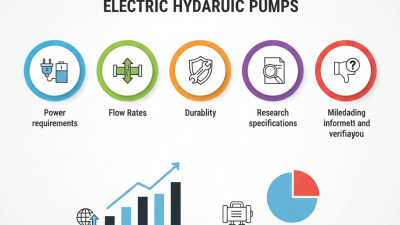
Global buyers should evaluate hydraulic fittings by compliance evidence, pressure performance, material traceability, corrosion resistance, dimensional interchangeability, and supply continuity. The chart shows a practical procurement-planning benchmark for 2026; percentages represent recommended evaluation emphasis rather than market share.
Relevant international references may include ISO 8434 for metallic tube connections, ISO 1179 and ISO 6149 for ports, ISO 6162 for split-flange connections, SAE J514 for hydraulic tube fittings, and ISO 4413 for hydraulic-system safety principles.
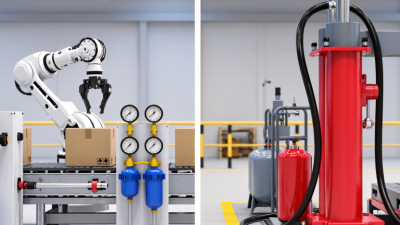
Choosing the best hydraulic fitting depends on pressure, temperature, fluid type, and movement. A fitting for a mobile excavator should not automatically serve a food-processing line.
Grand View Research reported that the global hydraulic equipment market was valued at approximately USD 49 billion in 2023. Its forecast also indicates continued growth through 2030. This expansion increases demand for safer, serviceable connections. For construction equipment, JIC and ORFS fittings suit high vibration and field maintenance. ORFS usually provides stronger leakage control, especially near dusty job sites. Agricultural machinery often benefits from reusable fittings and protective coatings against fertilizer exposure. In contrast, steel mills require fittings that tolerate heat, scale, and pressure shocks. Stainless steel or specialized alloy options may perform better there. Industrial automation needs compact fittings with repeatable sealing and minimal pressure loss. ISO 8434 and ISO 6149 provide useful dimensional and connection guidance. Yet standards alone cannot prevent poor installation.
Tips: Match the fitting to the hose assembly, not only the thread. Check working pressure, impulse rating, temperature, and chemical compatibility. Clean every port before assembly. Small contamination can damage a valve quickly.
Market reports provide useful direction, but field conditions remain decisive. A 2024 report from MarketsandMarkets identified industrial hydraulics as a major growth segment, driven by automation and equipment modernization. Still, “best” is not universal. I have seen oversized fittings create unnecessary weight and restricted flow. That choice looked strong, but performed poorly. Torque control, bend radius, and inspection records deserve equal attention. Recheck the design after real operating data appears.
Technical comparison guide for selecting hydraulic fittings by application, pressure, temperature, material, and connection requirements.
| Industrial application | Recommended fitting type | Typical connection standard | Common material | Typical working-pressure range | Temperature suitability | Main selection advantage |
|---|---|---|---|---|---|---|
| Construction and earthmoving equipment | Two-piece crimp fittings and heavy-duty 90° elbows | Metric, ORFS, JIC 37°, or hose-specific connection systems | Carbon steel with protective plating | Approximately 210–420 bar, depending on size and hose assembly | Approximately −40°C to +100°C for many petroleum-based hydraulic fluids | High vibration resistance and good protection against mechanical damage |
| Industrial automation and factory machinery | Tube fittings with progressive-ring or bite-type designs | ISO 8434-1, DIN 2353, or equivalent metric tube systems | Carbon steel; stainless steel for corrosive environments | Approximately 160–400 bar, subject to tube diameter and wall thickness | Approximately −40°C to +200°C, depending on seals and fluid | Compact installation, repeatable assembly, and low leakage when correctly installed |
| Mobile agricultural machinery | Quick-connect couplings and reusable hose fittings | ISO 7241 quick couplings, agricultural metric, or BSP connections | Plated carbon steel; stainless steel for chemical exposure | Approximately 100–350 bar, depending on coupling series | Approximately −25°C to +100°C for standard hydraulic service | Fast attachment and disconnection of implements with minimal fluid loss |
| Oil and gas equipment | High-pressure cone-and-thread or premium tube fittings | NPT, API-related systems, or high-pressure tube standards | Stainless steel or corrosion-resistant alloy | Approximately 350–1,000 bar or higher in specialized systems | Selected according to fluid, ambient conditions, and seal material | High pressure capability and improved resistance to corrosion and cyclic loading |
| Marine and offshore systems | Flareless tube fittings, ORFS fittings, and corrosion-resistant adapters | SAE J1453, ISO 8434, BSP, or marine-specific requirements | 316 stainless steel or approved corrosion-resistant steel | Approximately 150–420 bar for many auxiliary hydraulic circuits | Approximately −40°C to +120°C, subject to system design | Strong resistance to salt spray, moisture, and external corrosion |
| Mining and quarrying | Heavy-duty hose ends, flanges, and high-impulse fittings | SAE J518 flange connections, metric, or high-pressure hose systems | High-strength carbon steel | Approximately 250–420 bar for common high-pressure circuits | Approximately −40°C to +100°C for standard hydraulic fluids | Excellent resistance to shock, impulse pressure, vibration, and contamination |
| Food, beverage, and pharmaceutical processing | Hygienic fittings with smooth internal surfaces | Sanitary clamp, tube, or process-specific connections | 304 or 316 stainless steel | Usually approximately 100–250 bar, depending on design and size | Selected for cleaning chemicals, steam exposure, and process temperature | Cleanability, corrosion resistance, and reduced areas for product retention |
| Water hydraulics and fire-suppression equipment | Stainless steel or specially sealed tube and hose fittings | BSP, NPT, flanged, or project-specific water-service connections | Stainless steel or coated carbon steel | Approximately 100–350 bar, depending on the system | Determined by water quality, freeze protection, and seal selection | Better compatibility with water-based fluids and reduced corrosion risk |
How can we help you?
Call to 0034 943884600 Contact usWe use cookies to ensure that we give you the best experience on our website. If you continue without changing your settings, we'll assume that you agree to receive cookies on the HINE website. For more information read our cookie policy page, click the link for more information.plugin cookies
ACEPTAR