
What Is the Best Type of Air Hydraulic Pump in 2026?

Choosing the best air hydraulic pump in 2026 starts with the job, not the catalog headline. A pump that looks powerful on paper may struggle when a cylinder needs steady force through a long hose. Another may deliver excellent pressure but cycle too slowly for production work. The right choice depends on required pressure, oil flow, air supply, duty cycle, and the tools it must drive.

Fluid-power author Anthony Esposito’s work emphasizes matching hydraulic components to system requirements. Put as a practical rule: “Choose for the load, not the label.” This is a selection principle, not a verified verbatim quotation. Check manufacturers’ performance curves and operating limits before comparing models. A pressure rating alone does not tell you how a pump behaves under load, or how much air it consumes.

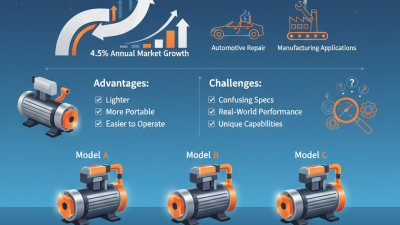
Small details matter. Note the compressor’s available flow, the hose length, and the cylinder’s bore and stroke. Consider whether the pump will run occasional service jobs or repeated production cycles. Those conditions change what “best” means. There is no universal winner. A compact, portable unit can suit field maintenance, while a higher-flow model may better serve a demanding press or lifting setup. And specifications can be easy to misread; verify them with the manufacturer when a mismatch could affect performance or safety.
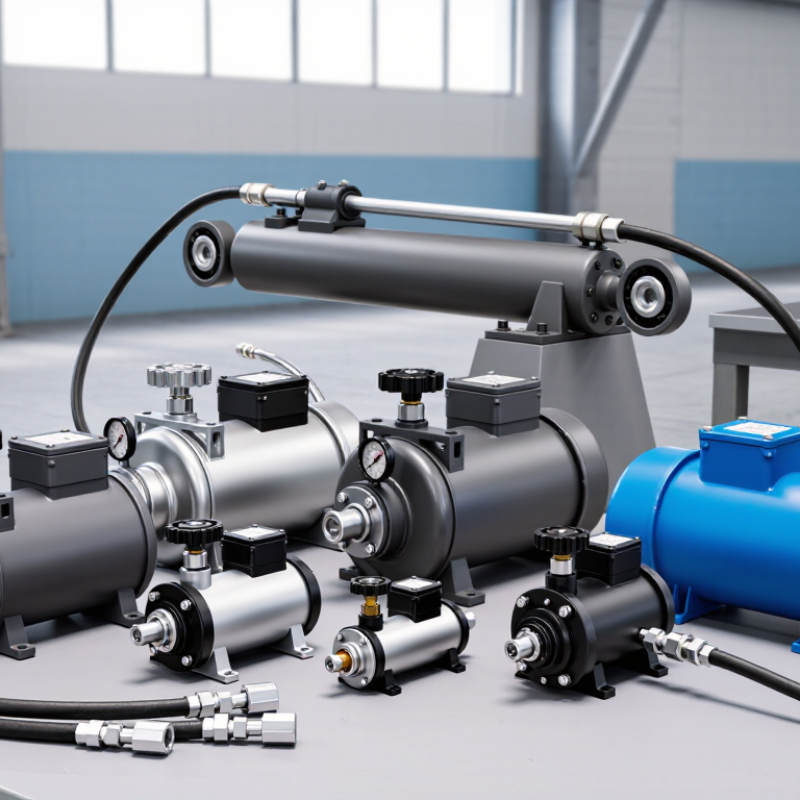
What Is the Best Type of Air Hydraulic Pump in 2026?

Air-Hydraulic Pump Basics: How Compressed Air Drives Hydraulic Output

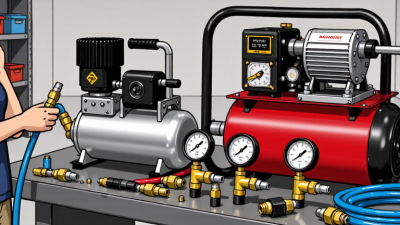
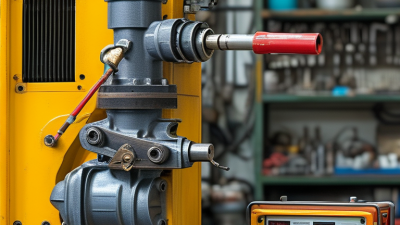
An air-hydraulic pump converts compressed air into hydraulic output. Air moves a drive piston, which pushes hydraulic fluid through a smaller-area piston. Because the hydraulic piston has less surface area, the fluid can reach much higher pressure than the driving air. The pump cycles as air shifts the piston back and forth. No electric motor at the pump. That can be useful where compressed air is already available, or where a compact hydraulic power source is needed for clamping, lifting, or pressing.

The pressure depends on the pump’s intensification ratio and the air supply, but the rated limit of every connected component still matters. A gauge at the hydraulic outlet helps show actual pressure; a regulator and suitable relief protection help control it. Keep the air clean and dry, and check that hoses and fittings are rated for the working pressure. The explanation sounds tidy. Real installations are less so: long hoses, leaks, and changing loads can affect performance. An air-hydraulic pump may also pulse rather than deliver perfectly smooth flow. Consider the required force, cycle speed, fluid volume, and duty cycle before choosing a pump type. A larger pressure rating alone does not guarantee a better fit.

Pump Types Compared: Single-Acting, Double-Acting, and High-Flow Designs

What Is the Best Type of Air Hydraulic Pump in 2026?

The best air hydraulic pump depends on the job’s pressure, flow, and duty cycle. A single-acting pump sends hydraulic fluid in one direction and relies on a spring or load to return the cylinder. It suits simple lifting and clamping, such as raising a workshop platform. Its return stroke may feel slow under a heavy load.

A double-acting pump supplies fluid for both extension and retraction. This gives better control when a cylinder must move in both directions, such as on a press or positioning fixture. High-flow designs deliver more oil per cycle, helping larger cylinders move faster. But speed alone is not a win; air supply capacity, hose size, and operating pressure can limit real output. Check the pump’s rated pressure and flow against the cylinder requirements, not just its headline figures.

Tips: Match the pump to the cylinder’s volume and expected cycle rate. Listen for air-supply dips during repeated cycles. A smaller pump may work, though I’d recheck the cycle time before settling on it.

Pressure Benchmarks: Models Rated up to 10,000 psi (700 bar)

A pressure rating is a limit, not a promise of constant performance. Air-driven hydraulic intensifiers rated up to 10,000 psi, or roughly 700 bar, can suit demanding clamping, testing, and pressing tasks. The actual pressure depends on the air supply, pump ratio, and load. That is the ceiling. At higher pressure, oil delivery usually slows, so a pump that reaches the benchmark may still feel sluggish during a long stroke.

Compare the required working pressure with the pump’s rated maximum, and leave a sensible operating margin. Check the pressure ratings of every connected component, including hoses, fittings, cylinders, and gauges; the weakest rating sets the system limit. Flow matters, too. A small cylinder may reach pressure quickly, while a larger one can take noticeably longer. That detail is easy to overlook.

For reliable selection, review the pump’s duty cycle, air consumption, reservoir capacity, and control method alongside its pressure figure. Use a gauge suited to the operating range, and keep hydraulic oil clean. A 10,000 psi label alone cannot tell you whether a pump fits your work. The honest choice may be a lower-rated model if it delivers the needed flow and maintains pressure steadily. Even careful comparisons leave one uncertainty: performance can change with real air supply and load conditions.

What Is the Best Type of Air Hydraulic Pump in 2026?

Pressure benchmarks for pumps rated up to 10,000 psi (approximately 690 bar, often rounded to 700 bar).

The chart shows pressure benchmarks and their psi-to-bar conversions, not universal limits for pump types. Actual rated pressure varies by model; select a pump whose rating meets the application requirements and verify its specifications before use.

Pressure Ratios Explained: Common 100:1 Air-to-Hydraulic Intensification

What Is the Best Type of Air Hydraulic Pump in 2026?

A 100:1 air-to-hydraulic ratio means the pump can theoretically produce hydraulic pressure about 100 times its air-drive pressure. With 6 bar of inlet air, that suggests roughly 600 bar of hydraulic pressure, before losses. The ratio is not a flow rating. As pressure rises, oil delivery usually slows, so a high ratio may suit clamping or pressure testing better than fast cylinder movement.

Real results depend on air pressure, pump condition, and system resistance. A restricted air line or undersized compressor can leave the pump short of its expected output. Check the pump’s rated limits, then match the hose, gauge, cylinder, and fittings to the intended hydraulic pressure. Small details matter. A gauge near the load can reveal pressure loss that a pump-mounted gauge may miss.

I would not choose by ratio alone. Consider the pressure and oil volume the task actually needs, along with cycle time and available air supply. A 100:1 model can be useful for high-pressure, low-flow work, but it may be unnecessarily slow for larger-volume tasks. Test the setup under a controlled load and watch for leaks or unstable pressure. The calculation is helpful, but it is not the whole story.

Choosing a Pump in 2026: Match Air Supply, Flow, Duty Cycle, and Safety

The best air hydraulic pump in 2026 depends on the work, not just its maximum pressure. Match the pump’s air-pressure requirement to the compressor’s delivered pressure and flow while operating. Tank size alone can mislead; a small compressor may lose pressure during repeated strokes. Check the pump’s pressure ratio and required air consumption against the tool or cylinder. For rapid cycling, available oil flow matters as much as peak pressure.

A common mistake is choosing by pressure alone. The result may be slow, uneven movement.

Tips: Check compressor output at working pressure, not its advertised maximum. Leave a margin for air-line losses. Confirm hose and fitting ratings, too.

Next, consider duty cycle. Intermittent lifting may suit a different pump than a station running frequent cycles. Follow the manufacturer’s limits for run time, cooling, and hydraulic fluid. Keep the pump on a stable surface, secure hoses, and use suitable pressure-relief protection.

Before maintenance, isolate the air supply and release stored hydraulic pressure. A quieter pump is not automatically a safer one. And specifications can be easy to misread. Compare operating conditions, then verify them with the supplier or equipment documentation before ordering.

Choose a global leader for your hydraulics solutions

How can we help you?

Call to 0034 943884600 Contact us
Call us Contact us

We use cookies to ensure that we give you the best experience on our website. If you continue without changing your settings, we'll assume that you agree to receive cookies on the HINE website. For more information read our cookie policy page, click the link for more information.plugin cookies

ACEPTAR
Aviso de cookies