
How to Find Top Hydraulic Pump Repair Services in China?

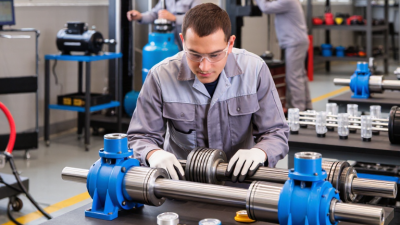
Choosing a hydraulic pump repair provider in China takes more than comparing prices. The right workshop can explain what failed, how it tested the pump, and which parts it replaced. Look for clear inspection records, calibrated test-bench results, and a warranty stated in writing. Ask whether the shop handles your pump type and can share relevant repair experience. Small details matter: a clean work area, capped ports, and a report showing pressure and flow readings.

Herbert E. Merritt, author of Hydraulic Control Systems, is known for a systems-oriented approach to hydraulic engineering. A practical editorial paraphrase of that approach is: “Diagnose the complete circuit before condemning the pump.” This is not a verbatim quotation. It captures an important point: contamination, misalignment, or a faulty relief valve can imitate pump failure. Good diagnosis saves time.

China offers many repair options, but quality and communication can vary. Request photos of damaged components, a written scope, expected turnaround, and confirmation of parts availability. Check how the provider protects repaired equipment during packing and shipping. Ask direct questions. Notice whether answers include measurements or only promises. A low quote may omit testing or necessary parts; clarify before approving work. I would not choose on price alone. Even a strong shop can make mistakes, so insist on documented checks and a clear process for handling problems. These practical checks make it easier to find reliable hydraulic pump repair services and assess their claims with confidence.
How to Find Top Hydraulic Pump Repair Services in China?

Identify Pump Type and Failure Symptoms Before Comparing Chinese Repair Shops

Before contacting Chinese repair shops, identify the pump type from its nameplate, manual, or machine records. Gear, vane, and axial-piston pumps have different internal parts and repair requirements. Note the model code, displacement, rated pressure, and fluid type. A clear photograph of the nameplate can prevent a costly mismatch.

Describe the failure with observable details, not guesses. Does pressure drop when the oil warms? Is there a high-pitched whine, a pulsing hose, visible leakage, or metal debris in the filter? Record when the problem occurs and whether the pump recently overheated or ran low on fluid. Small details matter. A symptom list is never a diagnosis; several faults can produce similar noise or weak flow.

Give each shop the same information and ask how it will test the pump before opening it. Reliable providers should explain inspection steps, measurement limits, replacement-part specifications, and post-repair testing. Request a written estimate and a test report showing pressure, flow, and operating temperature where relevant. Ask how the shop handles repeat faults and what its repair warranty covers. A polished quotation is not proof of skill. Compare the clarity of the technical answers, not just the price, and be cautious if a shop promises a definite fix without examining the pump or its service history.

Check Testing Capabilities Against ISO 4409:2019 Pump-Test Methods

How to Find Top Hydraulic Pump Repair Services in China?

Check whether a repair shop can test a pump under controlled, documented conditions. ISO 4409:2019 describes methods for measuring and presenting steady-state performance of positive-displacement pumps. Ask if the shop’s procedure follows or maps to the standard. A reference to ISO alone does not prove accreditation or test quality.

Look for recorded rotational speed, inlet conditions, oil temperature, pressure, and flow. These details help make results meaningful. Request readings across several operating points, not just one impressive pressure figure. A useful report may also include input power and calculated volumetric or overall efficiency. Check whether instruments are calibrated and whether the report identifies the test fluid and its viscosity. Small omissions matter.

Numbers matter. Ask to see a sample report with sensitive customer details removed. Confirm the test bench can handle your pump’s displacement, speed, and pressure range safely. A weak report may show flow without explaining test conditions; that makes comparisons difficult. Even a careful bench test cannot reproduce every machine’s field conditions. Use the results alongside inspection findings, repair records, and a clear warranty. One detail can be missed. Probe it.

How to Find Top Hydraulic Pump Repair Services in China? - Check Testing Capabilities Against ISO 4409:2019 Pump-Test Methods

Evaluation dimension What to verify Useful test evidence Decision signal
Test-method alignment Ask whether steady-state pump tests are planned and reported with reference to ISO 4409:2019, which covers methods for testing and presenting basic steady-state performance of positive-displacement pumps, motors, and integral transmissions. A sample procedure or report that identifies the test method, pump configuration, operating conditions, and measured results. The provider explains which parts of the standard apply and documents any deviations; it does not rely on a vague claim of “ISO-certified testing.”
Flow measurement Confirm that delivery flow can be measured across the pump’s agreed operating range and recorded with the corresponding speed, pressure, and fluid conditions. A flow-versus-speed or flow-versus-pressure data table or curve, with measurement units and test points stated. Results are traceable to the tested unit and compared with the pump specification or pre-agreed repair acceptance limits.
Pressure control and measurement Check that the test rig can control and measure inlet and outlet pressure within the limits appropriate to the pump and the agreed test plan. Pressure readings for each test point, instrument identification, and clear notes on the test setup. The proposed test pressure stays within the pump’s documented limits and is not presented as a universal ISO acceptance value.
Rotational speed Verify that shaft speed can be controlled and measured at the speeds relevant to the pump application. Recorded speed for each flow, pressure, or power test point, with units and stated operating conditions. The report links performance results to actual measured speed rather than relying only on the drive setting.
Torque and input power Ask whether shaft torque or input power can be measured or otherwise determined using a clearly described method relevant to the test setup. Torque or power results, calculation basis where applicable, and the related speed and pressure readings. The method and units are stated, and reported efficiency calculations identify the measurements used.
Fluid temperature and condition Confirm that fluid temperature is monitored and that fluid type, viscosity information, and relevant conditioning details are recorded for comparable results. Test-fluid identification and temperature readings associated with the performance data. The report describes the fluid and test conditions; the provider does not compare results obtained under materially different conditions without qualification.
Steady-state data collection Ask how the service determines that readings are sufficiently stable before recording a test point, and whether the sequence is defined in the procedure. A written test procedure showing measurement points, stabilization approach, and recorded operating conditions. The provider can explain how it obtains repeatable steady-state readings instead of reporting unexplained snapshots.
Instrument calibration and traceability Request calibration records or other evidence for the measuring instruments used for flow, pressure, speed, temperature, and torque or power, as applicable. Instrument list with identification numbers, calibration dates, and calibration traceability information. Records are current under the provider’s documented calibration system and cover the instruments used in the actual test.
Test report and acceptance criteria Check that the report identifies the unit, test setup, conditions, results, and any repairs or adjustments, with acceptance limits agreed before testing. A redacted sample report showing raw or tabulated readings, units, test date, and pass/fail basis. Pass/fail decisions are tied to customer specifications or documented manufacturer limits, not an invented universal ISO threshold.
Safety and test-rig suitability Confirm that the rig, fittings, guarding, and operating procedures are suitable for the pump’s intended test conditions and that risks from high-pressure fluid are controlled. A description of the test-bench rating, inspection or maintenance practices, and relevant safe operating procedures. The provider can show that the proposed test is within the rig’s documented capability and is performed under controlled procedures.

Note: ISO 4409:2019 describes pump-test methods and performance presentation; it does not by itself establish one universal pass/fail limit for every repaired pump. Agree on the applicable test conditions and acceptance criteria before work begins, and verify details against the standard text and the pump’s specifications.

Review Oil-Cleanliness Controls Using ISO 4406:2021 Contamination Codes

How to Find Top Hydraulic Pump Repair Services in China? Review Oil-Cleanliness Controls Using ISO 4406:2021 Contamination Codes

When comparing repair services, ask for oil-cleanliness records, not just a polished workshop tour. ISO 4406:2021 reports particle counts per millilitre at sizes above 4, 6, and 14 micrometres. Its three-number code makes test results easier to compare. Request the laboratory method, sample date, and actual code before and after flushing or assembly. A clean-looking sample can fool you.

The U.S. Department of Energy’s Operations & Maintenance Best Practices Guide reports that contamination is associated with more than 80% of hydraulic system failures. Treat this as a broad industry estimate, not a guarantee about any repair.

A capable service provider should explain its target cleanliness level against the pump maker’s requirements and show how it prevents recontamination. Ask to see sealed component storage, filtered transfer equipment, and a recent particle-count report from a finished job. Check that the sample came from a specified sampling point, not a drain pan. I would still verify the sampling practice in person; paperwork can be incomplete. ISO codes do not reveal water, air, or varnish, so ask how those risks are checked too.

Assess Repair Safety Procedures Against ISO 4413:2010 Requirements

When comparing hydraulic pump repair services in China, examine how each workshop manages safety, not just price or turnaround time. ISO 4413:2010 sets safety requirements for hydraulic systems and their components. Ask the repair team to explain how it applies those principles during disassembly, testing, and return to service. Clear answers matter.

Look for written isolation procedures before work begins. Technicians should release stored pressure, secure moving parts, and verify zero pressure with suitable instruments. During testing, the pump should be connected with pressure-rated fittings and protected by guards or barriers. No hands near a suspected leak. High-pressure fluid can penetrate skin, even through a tiny opening. Ask to see inspection records, test limits, and the method used to contain leaks or component failure.

Good evidence is practical. It may include dated pressure-test results, calibrated gauge records, and a checklist signed by the technician. Confirm that staff can explain the test setup and stop-work conditions in language you understand. A polished checklist can still miss a loose hose or an unclear handover. That deserves a second look. Compare the workshop’s procedures with ISO 4413:2010, while remembering that a certificate alone does not prove every repair is safe.

Compare Documented Test Results, Parts Traceability, and Warranty Terms

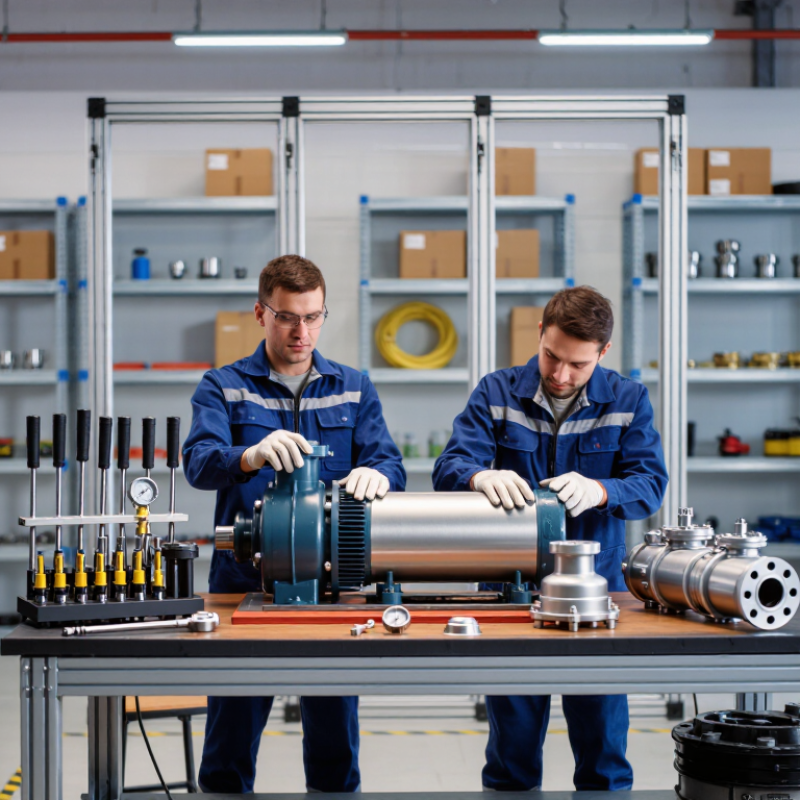
Choosing a hydraulic pump repair service in China takes more than comparing quotations. Ask for a test report showing pressure, flow, speed, oil temperature, and leakage before and after repair. Numbers matter. Check whether the report identifies the pump model and test conditions; readings without context are difficult to compare. A photo of the pump on a test stand can help, but it cannot replace recorded measurements and clear acceptance criteria.

Parts traceability matters just as much. Request a repair record linking replaced components to part numbers, suppliers, and the pump’s serial number. Confirm whether parts are new, refurbished, or reused, and ask how that choice is documented. Small details count.

Warranty terms should state the coverage period, included parts and labor, and any operating conditions that could affect a claim. Ask how a failure is assessed and what evidence is needed. A polished report is reassuring, but it is not proof by itself. Review one sample record carefully; some missing details may be accidental, yet they still deserve clarification before you approve the repair.

Choose a global leader for your hydraulics solutions

How can we help you?

Call to 0034 943884600 Contact us
Call us Contact us

We use cookies to ensure that we give you the best experience on our website. If you continue without changing your settings, we'll assume that you agree to receive cookies on the HINE website. For more information read our cookie policy page, click the link for more information.plugin cookies

ACEPTAR
Aviso de cookies